Cyberattacks Expose Strategic Risks in Ukraine and Russia Alert Apps
Simultaneous breaches disrupted public-warning applications, forcing operators to suspend services and strengthen cybersecurity controls.
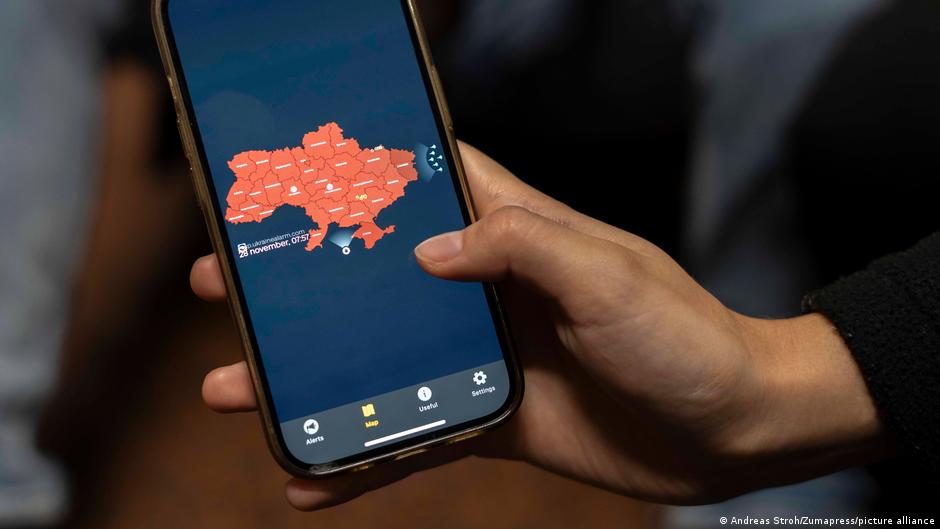
Cyberattacks on government-linked public-warning applications in Ukraine and Russia sent false emergency messages to users, exposing the operational and reputational risks facing organizations responsible for critical digital communications.
Ukraine’s official Air Raid Alert application, which is used to notify the public about threats, was attacked on Sunday evening, Nov. 1. Users received fabricated warnings about radiation and chemical hazards, as well as messages claiming that street fighting threatened Kyiv.
Ukraine’s Air Force was among the first institutions to respond. The military said the application had probably been subjected to hostile interference and stressed that there was no radiation threat. The State Emergency Service of Ukraine said the nationwide warning system continued to operate normally, with genuine threat alerts still being transmitted to regional administrations and outdoor warning systems.
That distinction was critical for maintaining public confidence. Although the compromised application was an important communications channel, Ukrainian authorities emphasized that the broader state alert infrastructure remained functional. The response effectively separated the affected digital product from the country’s other emergency-warning capabilities.
Operators Suspend a Compromised Communications Channel
The application’s developers later confirmed that unauthorized parties had interfered with the service. They disabled push notifications and temporarily suspended the application while responding to the breach.
“Today, unauthorized persons interfered with the operation of the application. We disabled push notifications and temporarily suspended the application,” the developers said.
The team also urged users not to follow links contained in suspicious notifications. That warning indicated that the incident created risks beyond the false alerts themselves, because messages delivered through a trusted application could potentially encourage recipients to interact with unsafe content.
During the night of Nov. 2, the development team said it had begun gradually restoring the service after the cyberattack. Users again started receiving air-raid notifications, although some functions remained temporarily unavailable. The staged return suggested that the operators prioritized restoration of the application’s core warning capability while keeping other features offline.
The developers said the application does not store users’ personal data and that additional cybersecurity measures were being introduced. The absence of stored personal information limits one category of exposure, but the incident demonstrated that the integrity of notifications can itself be a critical asset. For an emergency service, a false message may damage confidence even if no personal records are compromised.
Parallel Attack Raises Broader Governance Questions
Russia’s Emergency Situations Ministry reported a cyberattack on its mobile application at almost the same time. The ministry described the incident as a massive cyberattack in which attackers distributed false information claiming that nuclear warheads had been launched toward Russia.
The ministry said specialists were working to eliminate the vulnerability and restore the service to normal operation. As in Ukraine, the immediate executive priorities were to contain the compromised channel, correct false information and recover essential functionality.
The near-simultaneous incidents highlight a strategic challenge for the teams overseeing public-warning technology: applications designed for rapid, centralized communication can become powerful instruments of disruption when attackers gain the ability to send unauthorized notifications. The credibility of the platform is part of its operational value, making message authentication and control of push-notification systems central governance concerns.
For executives, technology managers and public-sector partners involved in such services, the attacks underline the need to treat notification infrastructure as a mission-critical system rather than a routine mobile feature. Decisions about access controls, incident escalation, service shutdowns and phased recovery can directly affect public behavior during a crisis.
The Ukrainian response also illustrated the importance of redundant communications. Officials were able to reassure users that the national system, regional administrations and street-level warning equipment continued to function despite the application breach. Maintaining alternative channels reduces dependence on a single product and gives decision-makers options when one component must be taken offline.
Both cases also place pressure on service operators to communicate quickly and precisely. False warnings involving radiation, chemical danger, urban combat or nuclear weapons can create immediate confusion. A delayed or ambiguous response could deepen the damage by leaving users uncertain about which alerts remain trustworthy.
The incidents therefore carry implications beyond technical remediation. Operators must restore not only software functionality but also confidence in the authenticity of future messages. Ukraine’s developers began that process by suspending push notifications, warning users about suspicious links, gradually restoring alerts and announcing additional cyber defenses. Russian emergency officials likewise focused on closing the vulnerability and returning the ministry’s application to normal operation.
For boards and senior leaders overseeing critical communications, the central issue is resilience: whether an organization can isolate a compromised service, preserve alternative warning systems and recover without allowing fabricated messages to displace verified public information.