Kazakhstan Detains 10 in Atyrau Extremism Investigation
The security operation raises risk-management questions for companies with operations and investments in Kazakhstan’s energy-producing west.
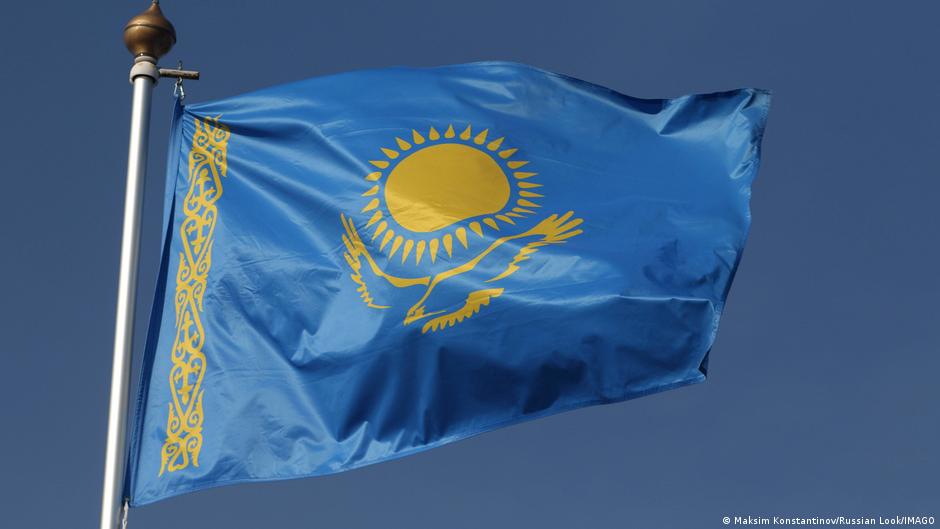
Kazakhstan’s National Security Committee, known as the KNB, has detained 10 people in the western city of Atyrau as part of an investigation into an alleged extremist group that authorities say intended to change the foundations of the region’s constitutional order through violence.
The KNB announced the case on Monday, Nov. 2, saying the arrests had taken place on Oct. 30, 2026. According to the agency, the operation was conducted within a pretrial investigation and coordinated with prosecutorial authorities.
The suspects are accused of creating an extremist group, leading it or participating in its activities. Investigators also suspect members of promoting terrorism and inciting religious discord. The KNB has not disclosed further details, citing the interests of the investigation, and the allegations have not yet been tested through a public trial.
Security scrutiny in a strategically important region
The case carries significance beyond the immediate criminal investigation because it involves Atyrau, a major center in western Kazakhstan. For businesses operating in the country, particularly companies with personnel, facilities, suppliers or contractors in the region, the arrests place renewed attention on security procedures and continuity planning.
The KNB said searches of the suspects’ residences resulted in the seizure of firearms, narcotics, religious materials, literature and other physical evidence. Authorities also said they had shut down three clandestine educational centers for children and adolescents that were established by members of the alleged group.
The KNB alleges that the suspects sought a violent change to the foundations of the constitutional order in the region.
The disclosure of weapons and underground educational activity broadens the scope of the case from an alleged ideological network to one that authorities contend had both material resources and a mechanism for reaching younger people. The agency did not specify how many children attended the centers, how long they had operated or whether any charges directly related to their activities had been filed.
Some of those detained had previously been convicted of terrorism-related offenses and ordinary criminal crimes, the KNB said. The agency did not identify the suspects, describe their individual roles or provide details about their earlier convictions. It also did not disclose whether all 10 people remained in custody under the same legal status.
Boardroom implications center on preparedness
For corporate executives and boards overseeing Kazakhstan exposure, the immediate issue is not a publicly reported disruption to business activity; authorities did not announce closures of commercial facilities, restrictions on transport or changes to normal operations. The strategic question is whether existing risk frameworks adequately account for localized security investigations that can develop quickly and involve multiple law-enforcement bodies.
Companies with operations in western Kazakhstan may use the episode to review how information moves from local security teams to senior management. Relevant considerations include employee communications, access controls, contractor screening, travel protocols and escalation procedures when authorities conduct operations near company sites or residential areas used by staff.
The investigation may also test how multinational businesses distinguish between confirmed operational threats and allegations that remain under official investigation. Overreaction can create unnecessary disruption, while delayed action can leave management without a clear response if conditions change. Boards typically need reporting that separates verified developments—such as the KNB’s announcement of 10 arrests and the seizure of evidence—from unanswered questions about the group’s capacity, timetable and connections.
The involvement of prosecutors indicates that the case is proceeding through Kazakhstan’s pretrial legal process, but the KNB’s decision to withhold additional information limits the conclusions that companies can draw. No corporate entities, employers or commercial assets were named in the agency’s statement, and there was no allegation that the suspects had targeted a particular business or industry.
What executives should watch next
The next material developments would include formal charging decisions, court proceedings, additional arrests or official disclosures about the alleged group’s organization and intended actions. Any evidence of broader networks, financing channels or specific targets would materially change the risk assessment. For now, the public record is confined to the KNB’s account of the arrests, searches and closure of the three underground centers.
The case nevertheless illustrates the type of localized event that can reach the corporate agenda in a strategically important operating region. Senior leaders responsible for Kazakhstan will be watching whether authorities characterize the alleged group as an isolated cell or part of a wider structure, and whether the investigation leads to heightened enforcement activity in Atyrau or elsewhere.
Until more information is released, companies face a familiar governance challenge: maintaining readiness without treating unproven allegations as established facts. The KNB’s announcement provides a basis for closer monitoring, but not evidence of a direct threat to commercial operations.