France Arrests Two Suspected of Arson After Massive Fontainebleau Forest Fire
Over 1,300 hectares burned in Fontainebleau forest fire near Paris, prompting evacuations and raising concerns over wildfire management amid extreme heatwave.
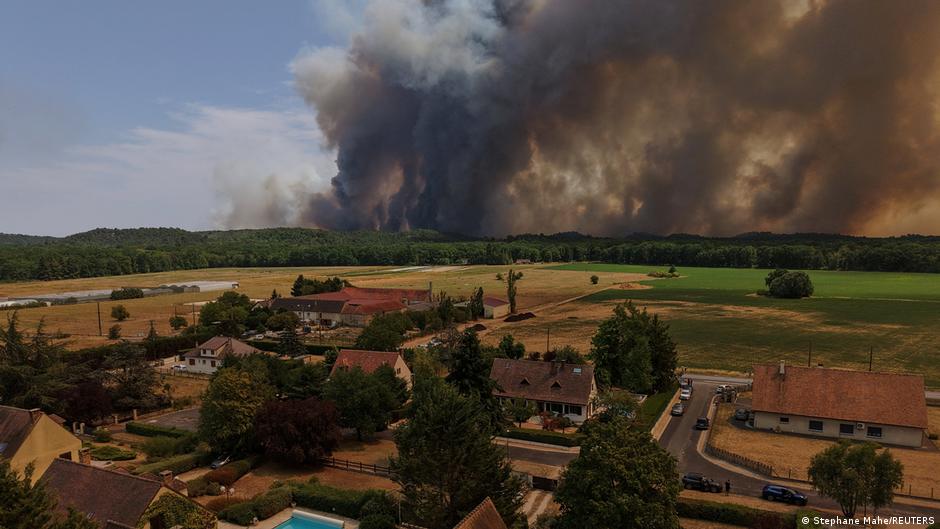
French authorities have detained two individuals suspected of causing the extensive wildfire in the Fontainebleau forest, located approximately 60 kilometers southeast of Paris. The blaze, one of the most severe in the Parisian suburbs in recent memory, scorched over 1,300 hectares of woodland and forced the evacuation of around 1,000 residents.
Operational Response and Strategic Implications
French Interior Minister Laurent Nuñez announced on July 13 that the suspects, including an 18-year-old with no prior criminal record, were taken into custody on suspicion of either intentional or accidental arson. Notably, one suspect was apprehended with soot-covered hands and was carrying a lighter, highlighting potential direct involvement.
The scale of the firefighting efforts was substantial, involving 600 firefighters and a coordinated aerial response utilizing four Canadair water bombers, two Dash planes, and three helicopters. According to Jean-Marc Sicard, the commander overseeing the rescue operations, a total of 187 water drops were executed to contain the flames. Despite nightfall, fire crews maintained vigilance to prevent further flare-ups.
The fire’s impact extended beyond environmental devastation, causing multiple highway closures and significant disruption to local transportation infrastructure—an important consideration for regional business continuity and emergency preparedness planning.
“This fire underlines the critical need for enhanced forest management and emergency response coordination in the face of increasingly severe climatic conditions,” remarked an expert on environmental risk management.
Broader Context: Heatwave and Wildfire Trends in France
The Fontainebleau incident occurred amid France’s third heatwave this year, which has exacerbated wildfire risks nationwide. Data reveal that this year’s fires have ravaged approximately 32,000 hectares—double the area affected during the same period last year. National authorities have detained 59 individuals across France for suspected arson or negligence, such as improperly discarded cigarettes, underscoring the human factors contributing to wildfire proliferation.
This surge in wildfires comes in a year marked by record-breaking temperatures in Western Europe. Copernicus Climate Change Service (C3S) reported that June 2026 was the hottest June ever recorded in the region, with average temperatures approximately three degrees Celsius above the 1991-2020 baseline.
The extreme heatwave’s human toll has been severe as well. Preliminary estimates from the Robert Koch Institute attribute around 5,100 deaths in Germany to the June heat, with experts warning the actual number may be significantly higher.
Corporate and Strategic Takeaways
For businesses operating in or near vulnerable regions, the Fontainebleau fire highlights the necessity of robust risk management frameworks that integrate climate-related hazards. Executive leadership must prioritize investments in resilience planning, including infrastructure adaptation, emergency response coordination, and stakeholder communication strategies.
Moreover, the increasing frequency and intensity of wildfires driven by climate change will likely influence insurance markets, regulatory policies, and corporate social responsibility commitments. Boards should engage in proactive scenario planning and advocate for sustainable environmental practices to mitigate operational disruption and reputational risk.
The Fontainebleau fire serves as a critical case study in the intersection of environmental risk, public safety, and corporate governance under the mounting pressures of climate volatility.