Audi Commits $4 Billion to Georgia Plant in Major US Production Shift
The Volkswagen-owned luxury brand plans to build premium SUVs in Georgia as tariffs and weaker US sales reshape its manufacturing strategy.
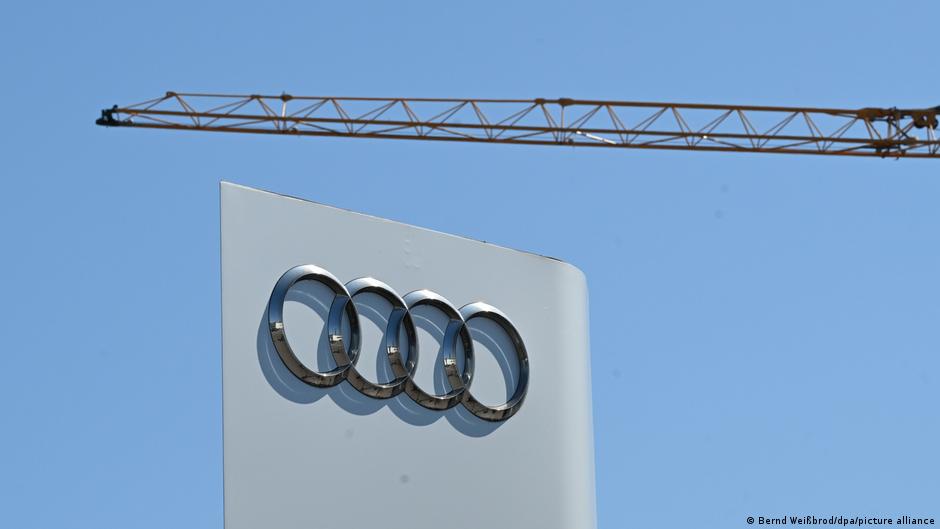
Audi plans to invest approximately $4 billion in its first wholly owned US factory, marking a significant change in the Volkswagen subsidiary’s manufacturing strategy as trade barriers increase the cost of supplying American customers from overseas.
The German premium automaker will build the plant in Macon, Georgia, where it intends to manufacture its largest and most expensive sport utility vehicles. US President Donald Trump announced the investment on Saturday, October 24, during a campaign event in Perry, Georgia. Trump said the factory is expected to produce 200,000 vehicles annually.
Audi Chief Executive Gernot Döllner appeared alongside Trump and described the project as a long-term investment demonstrating the company’s confidence in the US market. Construction is scheduled to begin in 2027, according to Audi, while production is expected to start in the early 2030s. The facility is projected to create about 4,500 jobs.
The investment positions Audi to produce its biggest premium SUVs closer to American customers while reducing its exposure to import duties.
A strategic answer to tariff pressure
An official in the US administration told Reuters that Audi plans to assemble the Q7, Q8 and Q9 models at the Georgia factory. The company also intends to manufacture 25,000 vehicles annually in neighboring South Carolina, adding a second element to its broader US production expansion.
Until now, Audi has imported every vehicle sold in the United States from Europe or Mexico. That model left the brand particularly exposed to the tariffs imposed by Trump. The duties cost Audi €1.2 billion in 2025, while the company’s US sales fell 16% in 2026, according to Reuters.
For Audi’s leadership, the Georgia decision therefore addresses both cost pressure and market access. A US production base could lower the tariff burden on high-value vehicles, shorten the distance between assembly operations and customers, and give the company greater flexibility in responding to changes in American trade policy. Concentrating on large premium SUVs also aligns the proposed plant with models that occupy an important position in the US luxury market.
The decision follows sustained pressure from the White House. Since beginning his second presidential term in January 2025, Trump has demanded that foreign companies move manufacturing to the United States, threatening high customs duties if they continue importing goods. He has promised to remove import tariffs for companies that comply by establishing US production.
Audi’s announcement gives the administration a prominent example of an overseas manufacturer responding to that policy. For the company, however, the long construction schedule means executives and directors must manage several years of political, commercial and operational uncertainty before the factory begins producing vehicles.
Investment comes amid Volkswagen cost reductions
The planned expansion in the United States also creates a striking contrast with Volkswagen’s restructuring elsewhere. In September 2026, Volkswagen’s supervisory board approved a cost-cutting program under which the group intends to eliminate about 50,000 additional jobs worldwide over the coming years.
At the same time, the future of four Volkswagen plants in Germany—in Emden, Zwickau, Hanover and Neckarsulm—has come into question. The group has said that production volumes at those sites are not guaranteed after 2030, casting doubt on whether they will continue operating.
That combination of a multibillion-dollar US commitment and uncertainty surrounding established German facilities underscores the allocation choices facing Volkswagen’s board. Capital is being directed toward localized production in a market where tariffs have made imports more expensive, even as management seeks substantial savings across the wider group.
The timing also places execution demands on Döllner and Audi’s management team. The company must prepare the Georgia site, establish a workforce and supply arrangements, and plan for annual capacity of 200,000 vehicles while contending with the recent decline in US sales. The additional South Carolina output of 25,000 vehicles a year will require coordination with the larger Georgia strategy.
For Georgia, the project promises thousands of manufacturing jobs and a major new automotive investment. For Audi, it represents a structural departure from relying entirely on European and Mexican factories for the US market. The boardroom calculation is that local production of premium SUVs can protect the brand from trade costs and reinforce its American position over the long term, even as Volkswagen reduces employment and reassesses factory capacity elsewhere in its global network.