NATO Considers Expanding Tactical Nuclear Deterrence in Europe Amid Security Concerns
NATO allies evaluate deployment of additional tactical nuclear weapons in Finland, Poland, and Lithuania in response to evolving Russian threats.
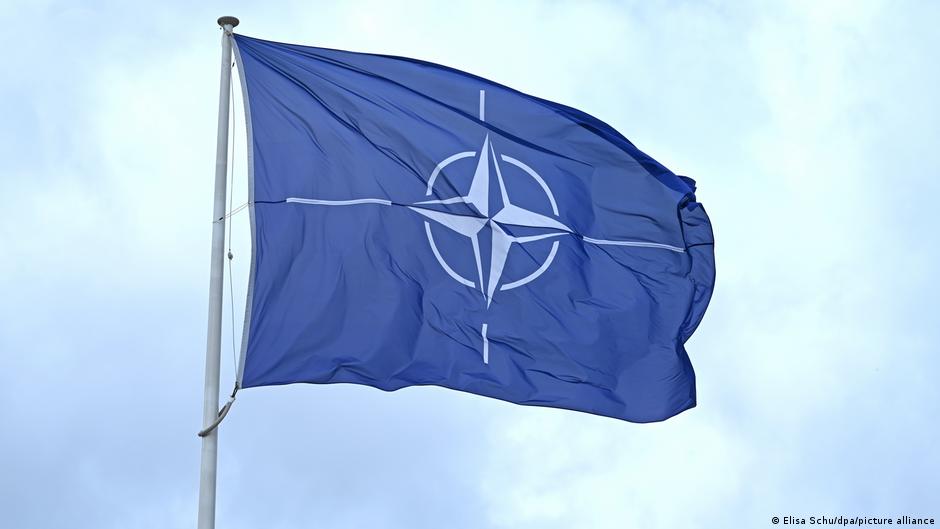
NATO is actively exploring the expansion of its nuclear deterrence capabilities in Europe, specifically considering the deployment of tactical nuclear weapons in Finland, Poland, and Lithuania as part of a strategic recalibration in response to Russia's ongoing military actions.
Strategic Implications of Tactical Nuclear Deployments
The North Atlantic Treaty Organization is developing contingency plans to station non-strategic nuclear weapons in additional member states. These weapons, which are designed for use against military targets such as troops, airfields, ports, and command centers, are delivered via fighter aircraft or cruise missiles and represent a lower-yield nuclear option compared to strategic nuclear weapons.
According to recent reports, these considerations come amidst heightened security concerns following Russia's aggression in the region, including the war in Ukraine. NATO Secretary General Mark Rutte acknowledged the possibility of expanding U.S. nuclear deployments in Europe but refrained from disclosing specific details of the discussions.
“We must ensure that no actor can carry out a nuclear strike against us without facing a credible and effective response,” Rutte emphasized.
Since the Cold War, NATO’s nuclear posture in Europe has included approximately 100 U.S. B61-12 nuclear bombs stationed across six airbases in five NATO countries: Germany, Belgium, Italy, the Netherlands, and Turkey, under the Nuclear Sharing program.
National Developments and Political Context
Notably, Lithuania’s President Gitanas Nauseda has expressed the country’s readiness to join NATO’s nuclear deterrence framework in the context of Russia’s invasion of Ukraine, albeit without immediate plans to host nuclear weapons on Lithuanian soil during peacetime.
Meanwhile, Finland has recently amended its atomic energy legislation to allow for the import and stationing of nuclear weapons, a prohibition that was lifted effective July 1. This legislative change aligns with Finland’s recent accession to NATO and reflects the country’s strategic shift amid the evolving security environment in Europe.
Business and Boardroom Considerations
For multinationals operating in Europe and globally, the potential expansion of NATO’s nuclear posture could have significant implications. Executive decision-makers must consider the geopolitical risk landscape, as heightened military tensions may affect supply chains, energy markets, investment climates, and regulatory frameworks. Strategic foresight will be crucial in navigating possible shifts in defense spending, government contracts, and transatlantic relations.
Boardrooms should also weigh the broader consequences for corporate social responsibility and stakeholder expectations around ethical considerations in an environment of escalating military posturing.
As NATO allies deliberate these critical defense strategies, the balance between deterrence, diplomacy, and market stability remains a complex challenge for business leaders and policymakers alike.