Ukraine Pauses Russian Refinery Strikes as Trump Raises Election Pressure
Kyiv’s reported tactical pause underscores how US leverage over critical technology and air defense is shaping wartime decisions.
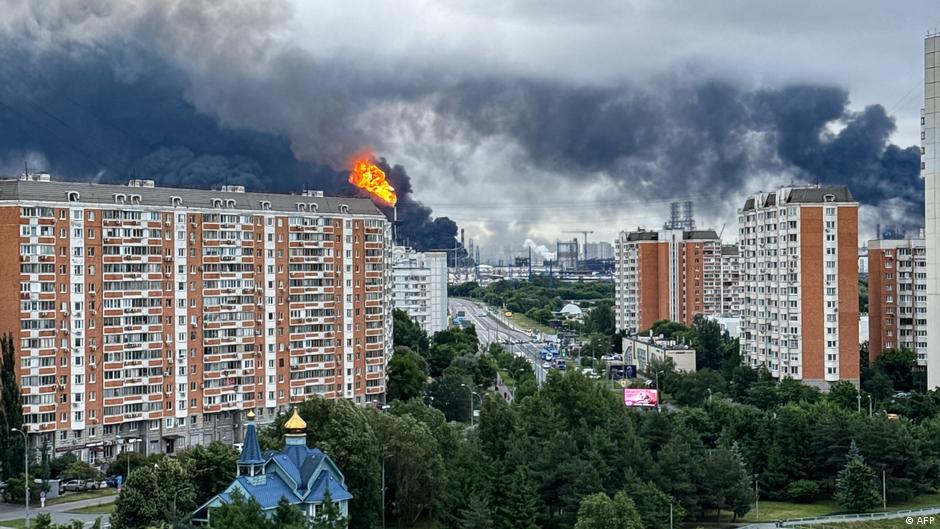
Ukraine has informally suspended strikes on Russian oil refineries after weeks of pressure from US President Donald Trump, according to The Wall Street Journal, highlighting how Washington’s control over critical military and communications resources can influence Kyiv’s strategic decisions.
The pause reportedly began early last week, when tensions between Kyiv and Washington were at their highest, and is expected to remain in effect through the November 3 US midterm elections. It could continue for part of November, although the Ukrainian government has not formally announced any suspension.
For the Trump administration, the decision carries immediate domestic economic and political implications. Republican candidates were concerned that elevated fuel prices could hurt them in the midterms, according to the report. Trump has blamed Ukraine’s refinery campaign for high global fuel costs, although energy experts cited in the account attribute those prices primarily to the US-Israeli war against Iran.
Trump also eased sanctions affecting Russian diesel fuel in an effort to reduce cost pressures on American farmers and other consumers. Together, the sanctions adjustment and the pressure on Kyiv point to an administration strategy focused on limiting politically damaging energy-price volatility before voters go to the polls.
US Leverage Shapes Kyiv’s Risk Calculus
Ukraine remains dependent on Starlink satellite communications, US intelligence data and interceptor missiles for Patriot air-defense systems. That reliance has left Kyiv exposed to American pressure even after Trump ended most US military and financial assistance following his return to the White House last year.
The episode illustrates a broader boardroom-style dilemma for Ukraine’s leadership: refinery strikes may impose costs on Russia’s energy sector, but continuing them could jeopardize access to indispensable US-controlled capabilities. Kyiv must balance operational objectives against the risk that Washington could restrict services or supplies that are difficult to replace quickly.
On October 20, Jared Kushner, Trump’s son-in-law, joined by video a meeting in Oslo involving US special envoy Steve Witkoff, Ukrainian President Volodymyr Zelensky and European delegations. Two anonymous US officials said Kushner told Zelensky that he and Witkoff were spending substantial “time, energy and jet fuel” negotiating with Moscow over terms for ending the war.
Kushner said a 30-day halt to Ukrainian strikes on Russian refineries could be a way for Kyiv to demonstrate its gratitude, according to the report.
The following day, Trump called SpaceX chief executive Elon Musk and asked him to restore Starlink service for Ukraine. The refinery-strike pause and Starlink restoration were not connected, according to the publication’s sources. Even so, their proximity underscores the strategic importance of privately operated infrastructure in relations between governments and in battlefield decision-making.
Heightened rhetoric between Trump and Zelensky, combined with Starlink disruptions, also concerned some of Ukraine’s strongest European supporters. One European official said European governments advised Zelensky to stop refinery attacks until after the US midterms, suggesting that allies viewed temporary restraint as a way to limit further deterioration in Washington’s support.
Military Flexibility Remains on the Table
Ukrainian units involved in long-range attacks were told in mid-October that the refinery operation was “effectively paused” once missions already underway had been completed, according to two unnamed military officials.
One source said Ukrainian Defense Minister Yevhen Khmara told Zelensky that military leaders had concluded it would be better to refrain from striking refineries because of the sensitive diplomatic situation. Zelensky agreed but emphasized that the armed forces could resume such attacks if commanders considered them necessary.
Zelensky publicly maintained that no categorical prohibition was in place. Speaking to reporters in Kyiv on October 28, he said Ukrainian forces had tried to be more cautious in recent days but had received no order barring refinery strikes.
Kyiv is seeking a strategic return for its restraint. Zelensky has said Ukraine wants stronger protection for the country’s energy infrastructure in exchange for halting attacks on Russian refineries. That request comes as Russia continues to intensify missile and drone strikes against Ukrainian power facilities and cities, with a rising civilian death toll.
The reported pause therefore resembles a conditional management decision rather than a permanent change in doctrine. Ukraine is preserving the option to restart attacks while testing whether restraint can secure greater protection, stabilize relations with Washington and maintain European backing.
For energy markets and corporate planners, the immediate effect could be reduced short-term risk to Russian refining capacity. The longer-term outlook remains uncertain, however, because the arrangement is unofficial, tied partly to the US electoral calendar and subject to reversal if Ukrainian commanders determine that renewed strikes are militarily necessary.
The episode also shows how domestic political priorities in Washington can cascade through global energy markets, defense supply chains and corporate-controlled infrastructure. Decisions involving sanctions, satellite networks and interceptor availability now sit alongside traditional diplomacy as instruments capable of altering battlefield operations.