German Transport Minister Patrick Schnieder Resigns Amid CDU Leadership Shakeup
Chancellor Friedrich Merz plans to nominate Steffen Bilger as new transport minister following Patrick Schnieder's resignation.
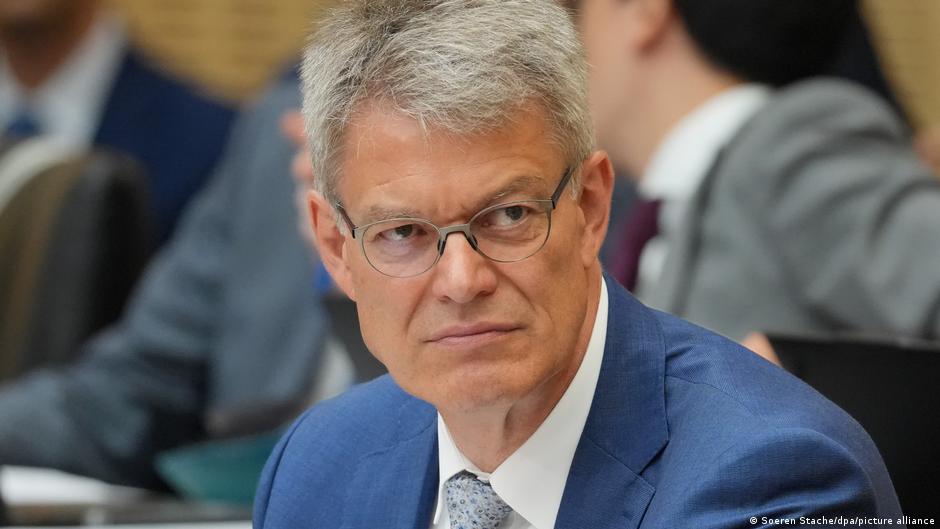
Patrick Schnieder, Germany's Minister of Transport, announced his resignation on July 26, citing an untenable working situation that hindered the ministry’s ability to perform necessary business functions. In a statement to the press, Schnieder said he would formally request Chancellor Friedrich Merz to propose his dismissal to the Federal President.
Leadership Transition and Political Context
Chancellor Merz intends to nominate Steffen Bilger, secretary of the CDU/CSU parliamentary group, as Schnieder’s successor, according to government spokesperson Stefan Kornelius. The abrupt resignation is linked to internal party tensions within the Christian Democratic Union (CDU), and marks a significant shift in the federal government's transport leadership.
Just two days prior, Schnieder informed Bundestag members that Chancellor Merz intended to dismiss him, though he did not specify the reasons. This development followed the unexpected withdrawal of Fritz Güntzler, the initially approved successor, from consideration for the post.
"I want to put an end to the undignified situation that makes necessary business work impossible," Schnieder said, highlighting the urgency of resolving the leadership gap due to pending major decisions.
The transport ministry faces critical and far-reaching decisions, notably concerning Deutsche Bahn, Germany's national railway company. Schnieder emphasized the need for swift and clear resolution on the appointment of his successor to maintain operational continuity.
Broader Implications for the CDU and Government Stability
According to reports, dissatisfaction within the CDU ranks surrounds Chancellor Merz’s handling of Schnieder’s departure. The resignation is part of a broader reshuffle triggered by the resignation of Jens Spahn, a prominent CDU leader, indicating possible ongoing power realignments within the party’s top echelons.
For American business observers, these developments underscore the intricate interplay between political leadership and infrastructure policy in Germany—a key European economic powerhouse. The Ministry of Transport’s direction directly affects Germany’s transport infrastructure investments and regulatory environment, which have ripple effects on multinational corporations and global supply chains.
The transition highlights the strategic importance of executive decisions and boardroom-level alignments within political parties as they impact government stability and policymaking. Firms with vested interests in Germany's transport and infrastructure sectors would do well to monitor these leadership changes closely.