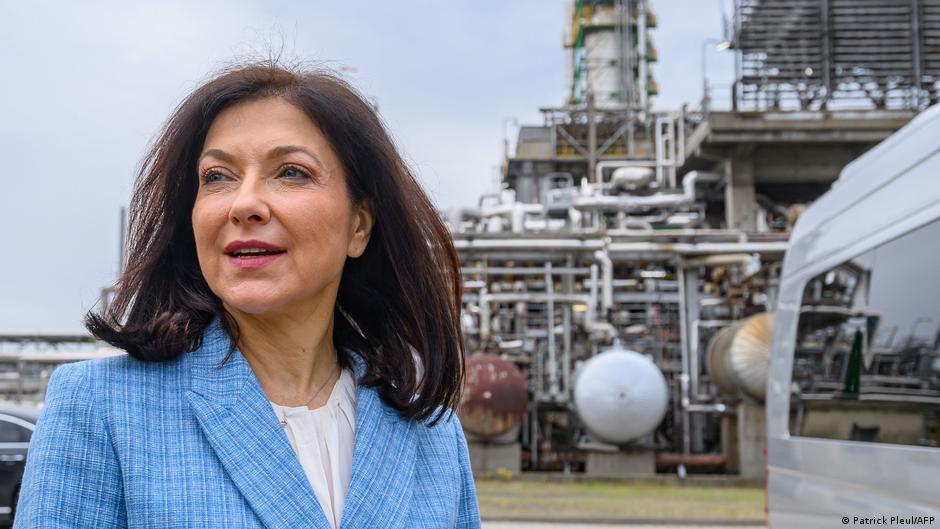
German Economy Minister Warns Berlin Left Victory Could Chill Investment
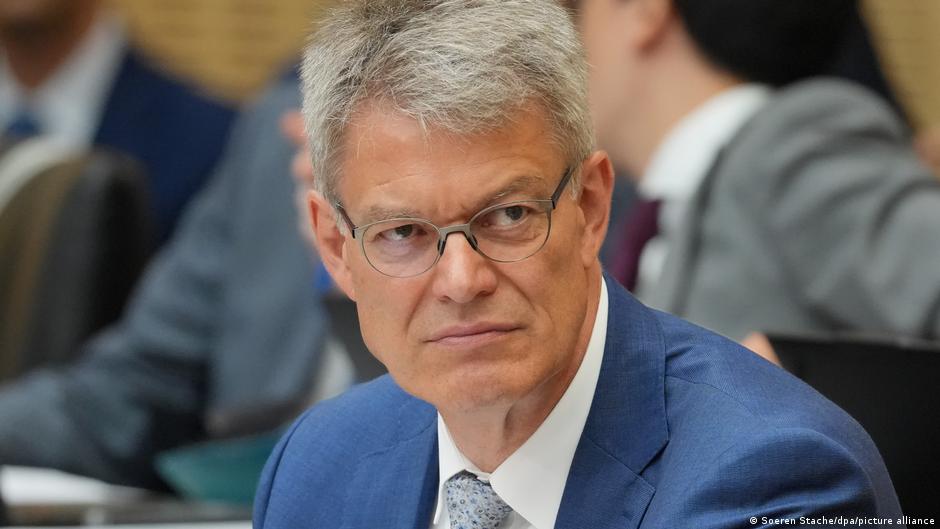
Katherina Reiche warned that the Left Party’s Berlin win could undermine Germany’s investment appeal and property-rights reputation.

Katherina Reiche warned that the Left Party’s Berlin win could undermine Germany’s investment appeal and property-rights reputation.

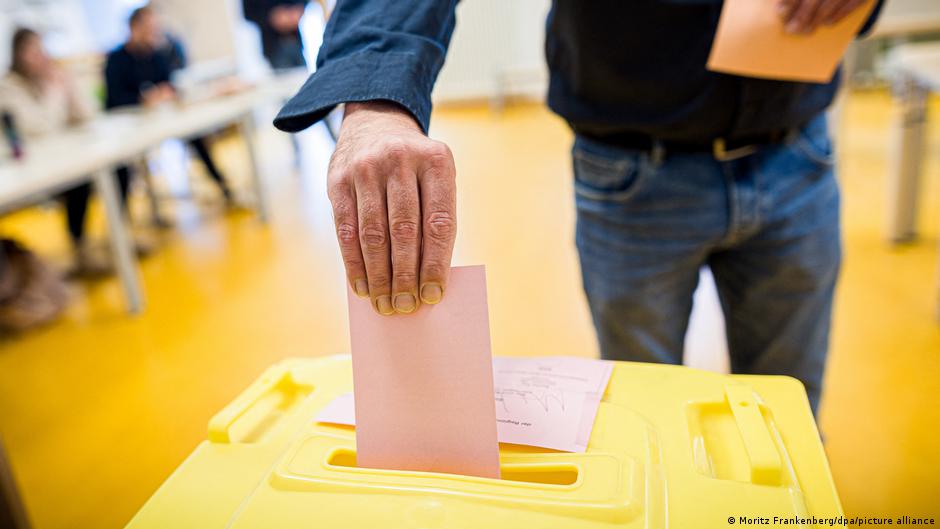
Lower Saxony runoffs blocked AfD candidates from local executive posts while Greens held Hanover and gained other key urban offices.

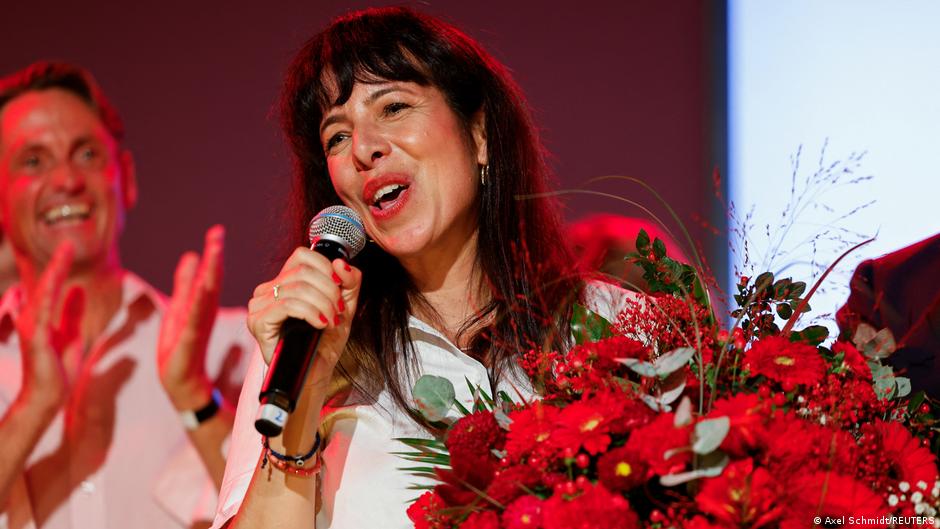
Berlin’s Left Party won the capital’s election, setting up difficult coalition talks over housing, antisemitism and governing credibility.

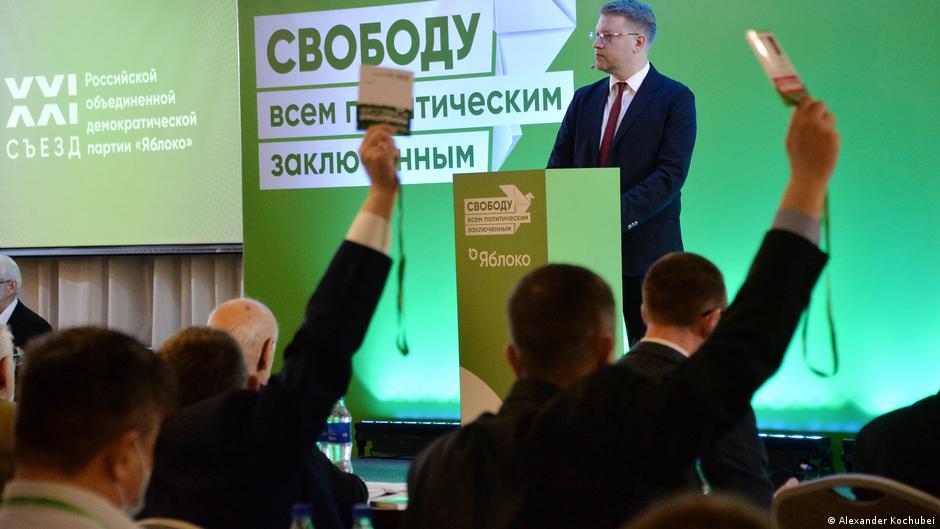
Yabloko cleared the 5 percent threshold in Novgorod, preserving a key route to future State Duma participation without collecting signatures.

AfD’s projected win in Saxony-Anhalt drew alarm from Poland and France, praise from Czechia, and new political-risk questions for Europe.

AfD won 43.8% in Saxony-Anhalt, but coalition barriers and BSW leverage leave the German state facing a difficult government formation process.

Support for Germany's CDU/CSU has fallen to 20%, the lowest in five years, while the far-right AfD leads at 28%, signaling shifting political dynamics ahead of key state elections.

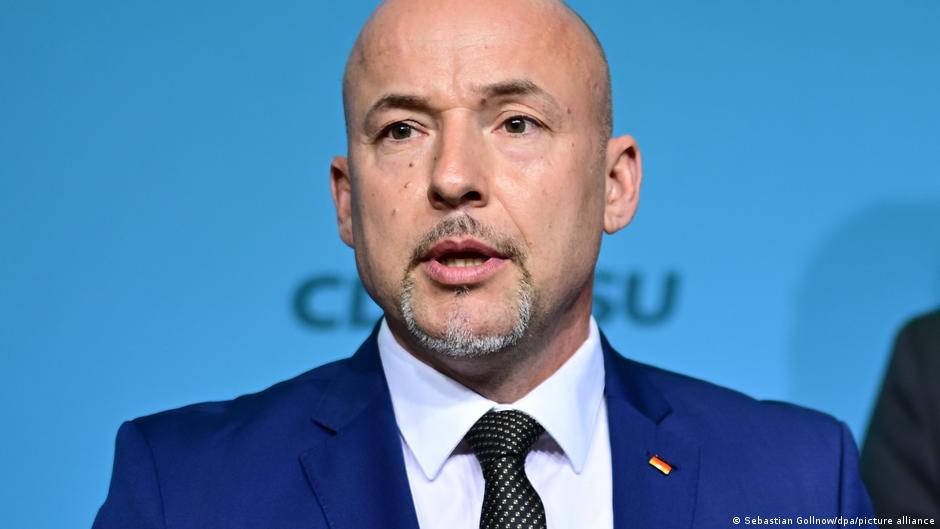
Germany’s Transport Minister Patrick Schnieder resigns amid internal CDU tensions; Chancellor Friedrich Merz to nominate Steffen Bilger as successor.

Alexander Hoffmann urges Germany to secure Ukrainian drone tech via an intergovernmental deal, boosting Bundeswehr's defense and production capabilities.

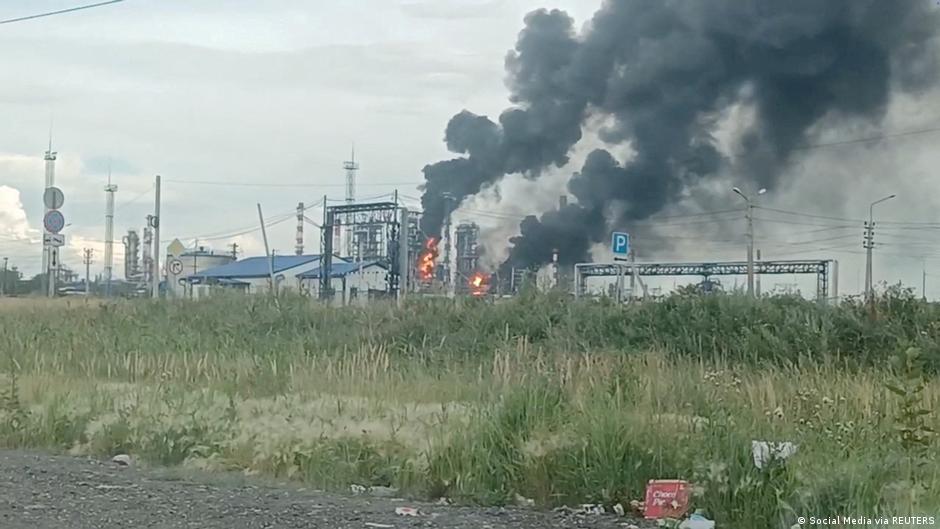
The Saratov refinery has halted operations after Ukrainian drone strikes damaged its primary processing unit, worsening fuel shortages in Russia amid ongoing refinery attacks.

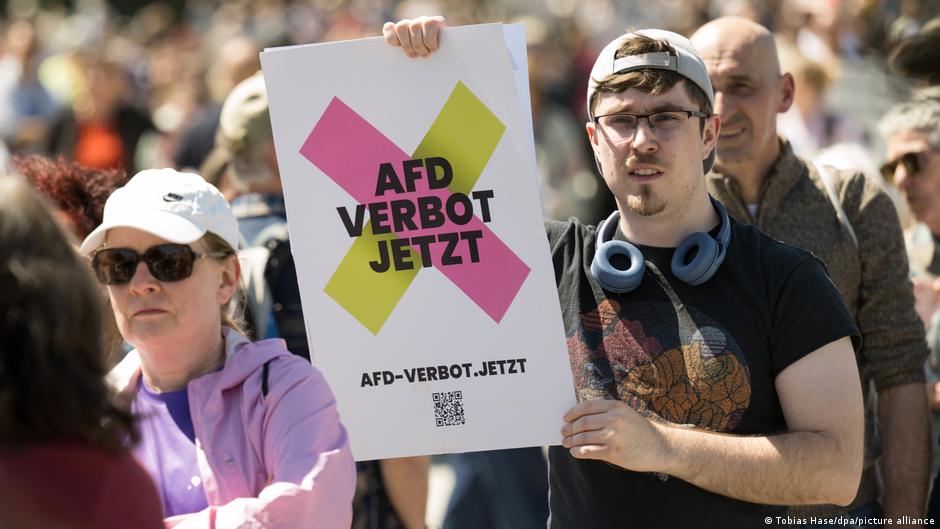
A new poll shows 45% of Germans oppose banning the far-right AfD, which leads the CDU/CSU by eight points as it claims political leadership.

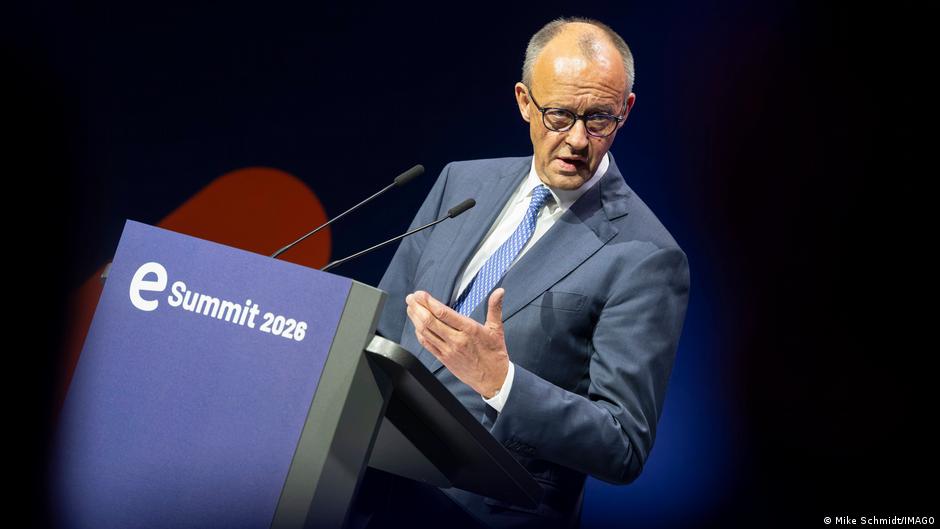
Sources close to Chancellor Friedrich Merz deny rumors of his early replacement amid internal CDU discussions and declining public approval ratings.

Germany is fast-tracking its own long-range missile systems after the U.S. declined to deploy Tomahawk missiles, aiming to counter Russian Iskander threats and reinforce European deterrence.

German authorities attribute phishing attacks via Signal messenger targeting politicians and journalists to Russian actors, prompting investigations and security alerts.

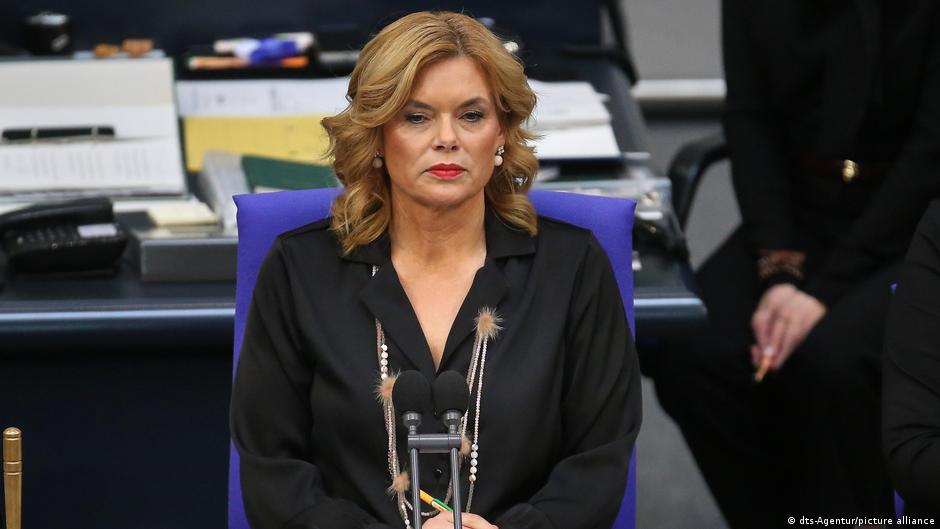
Julia Klöckner’s Signal account was hacked in a phishing attack, compromising CDU leadership communications and highlighting cyber vulnerabilities among Germany's political elite.

Germany authorized multimillion-euro arms exports to Israel amid war, balancing solidarity, political tensions, and complex export regulations affecting corporate strategy.