German Government Attributes Signal Messenger Phishing Attacks to Russian Actors
Berlin suspects Russia behind extensive phishing campaign targeting German politicians, military, and journalists via Signal messaging app.
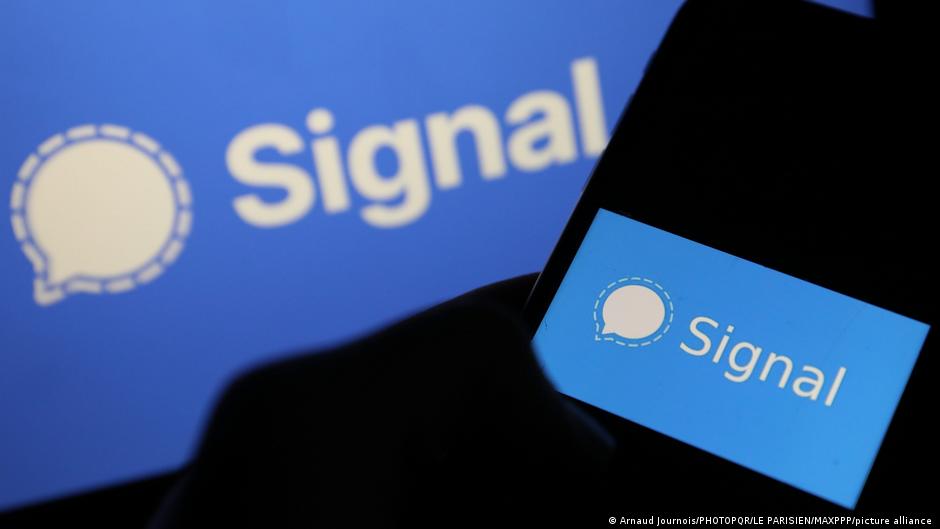
The German government has identified Russia as the presumed orchestrator behind a wave of phishing attacks conducted through the Signal messenger application. The campaign targeted German politicians, military personnel, and journalists, raising significant concerns about cybersecurity within the country's political and media sectors.
Scope and Modus Operandi of the Attacks
According to German federal prosecutors, the phishing attacks involved impersonation techniques where victims were led to believe they were communicating with Signal's technical support staff. This classic social engineering tactic enabled attackers to gain unauthorized access to the victims’ Signal accounts.
Once compromised, the accounts were exploited to propagate the attack through group and private chats by posing as the account owners, thus extending the reach of the infiltration.
Notably, victims included high-profile political figures such as Karin Prien, Germany’s Minister of Education, Verena Hubertz, Minister of Construction, and Julia Klöckner, President of the Bundestag and a senior Christian Democratic Union (CDU) official. There is also speculation that Chancellor Friedrich Merz was a target; however, security checks on his device showed no anomalies.
Government Response and Investigations Underway
German security agencies have informed affected individuals and successfully halted further data leakage from the compromised devices. Authorities have launched a formal investigation into the incidents, though they caution that the true scale of the campaign may exceed currently known cases.
"The recent phishing attempts from Russia against German politicians and journalists are a warning signal for all of us," said Mark Henrichmann, chairman of the parliamentary committee overseeing intelligence services. He urged vigilance across both public office and private life.
Representatives from the implicated ministries refrained from commenting publicly, citing the imperative to maintain the integrity and security of internal and external communications.
Implications for Corporate and Political Cybersecurity
This targeted campaign highlights vulnerabilities even among top-tier government officials and underscores the evolving nature of cyber espionage that leverages trusted communication platforms such as Signal. Organizations, both public and private, face increasing pressure to enhance cybersecurity protocols, particularly concerning executive communications.
The incident also raises broader strategic considerations for policymakers and corporate boards alike, emphasizing the need for robust risk assessments and crisis response mechanisms related to cyber threats from state-sponsored actors.
As investigations continue, the German government’s attribution of these attacks to Russia signals heightened geopolitical tensions manifesting in the cyber domain, with potential repercussions for international relations and cyber defense policies.