German Bundestag Chair Julia Klöckner’s Signal Account Breached in Targeted Phishing Attack
Cyberattack on Klöckner's Signal account exposes vulnerabilities in CDU leadership communications amid ongoing phishing campaign.
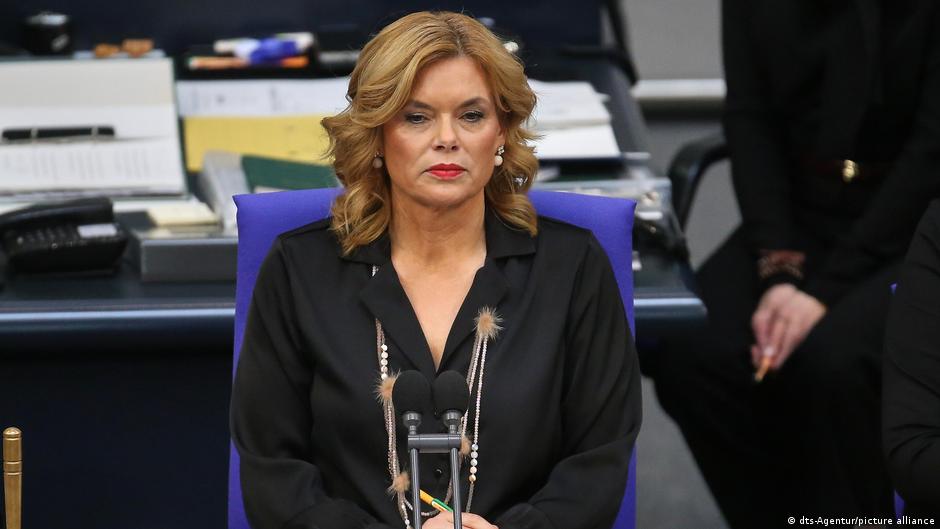
Julia Klöckner, chairperson of the German Bundestag and deputy leader of the Christian Democratic Union (CDU), recently had her Signal messenger account compromised in a sophisticated phishing attack. The breach, which occurred amid a months-long series of targeted cyber intrusions, has raised significant concerns regarding the security of digital communications within Germany's top political circles.
Implications for CDU Leadership and National Security
According to internal reports, Klöckner’s Signal account was infiltrated by hackers who are widely believed to be affiliated with Russian cyber espionage groups. The compromised account was linked to a group chat comprising members of the CDU presidium, including Chancellor Friedrich Merz. The incident thus not only jeopardized Klöckner’s personal communications but also potentially exposed sensitive exchanges between key party leaders.
“It must be assumed that perpetrators are covertly harvesting data from numerous chat groups within the parliamentary environment on Signal,” warned a confidential 20-page report circulated by the Federal Office for the Protection of the Constitution (BfV) to parliamentary faction leaders and party executives.
BfV officials promptly notified Chancellor Merz about the breach and conducted a thorough examination of his device. Fortunately, investigators found no evidence indicating that Merz’s Signal account was compromised. Nonetheless, the breach highlights vulnerabilities within the digital infrastructure supporting high-level political discourse and decision-making.
Despite the seriousness of the situation, representatives for Klöckner have neither confirmed nor denied the Signal account hack, citing standard security protocols that limit disclosure of sensitive infrastructure details. The Bundestag’s spokesperson stressed that the parliament typically refrains from commenting publicly on critical security matters.
Broader Context of Ongoing Cyberattacks
The BfV and the Federal Office for Information Security (BSI) have documented a sustained wave of phishing attacks targeting high-profile figures including politicians, military personnel, diplomats, and investigative journalists. Sources indicate that at least 300 individuals in Germany have fallen victim to these cyberattacks.
The 20-page BfV briefing outlines that the attackers employ sophisticated social engineering tactics to surreptitiously access encrypted communications, thereby gaining insight into internal deliberations and strategic discussions. The targeting of senior political figures signals an elevated threat to Germany’s national security and underlines the need for enhanced digital defense mechanisms within government and party structures.
For corporate and political leaders, the incident serves as a stark reminder of the evolving cybersecurity landscape and the critical importance of safeguarding executive communications channels. The breach at the CDU’s highest levels could impact internal decision-making processes and boardroom strategy, necessitating a reassessment of IT security protocols and crisis response strategies.
Moving forward, German political entities may need to invest in more robust authentication methods and continuous monitoring to mitigate the risks posed by persistent state-sponsored cyber threats. Stakeholders across government and business sectors must collaborate to strengthen resilience against increasingly sophisticated digital espionage campaigns.