US President Trump Announces Three-Week Extension of Israel-Lebanon Ceasefire Amid Historic Diplomatic Talks
The extension follows high-level US-led meetings aimed at advancing peace negotiations and countering Hezbollah's influence.
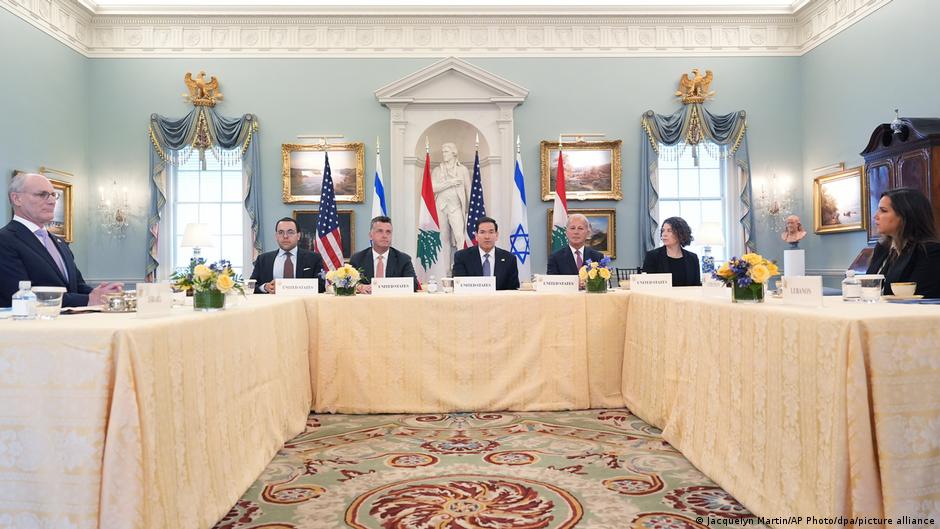
US President Donald Trump announced on April 23 that the ceasefire between Israel and Lebanon will be extended for an additional three weeks. The extension comes after a series of high-level diplomatic engagements involving US officials and representatives from both countries, signaling renewed efforts toward peace and regional stability.
US Facilitation of Historic Israel-Lebanon Dialogue
The announcement on Trump's social media platform included details about a recent meeting attended by Vice President J.D. Vance, Secretary of State Marco Rubio, US ambassadors to Israel and Lebanon Mike Huckabee and Michelle Issa, as well as senior officials from Israel and Lebanon. Trump described the meeting as "very successful" and emphasized the United States' commitment to assisting Lebanon in protecting itself from the radical Islamist group Hezbollah.
"The meeting was a great honor, and I look forward to hosting Israeli Prime Minister Benjamin Netanyahu and Lebanese President Michel Aoun soon," Trump stated.
The extended ceasefire follows the first direct negotiations between Israeli and Lebanese envoys since 1993, held in Washington on April 14. These talks, facilitated by US diplomats, were described by the State Department as a "historic milestone" and marked preliminary steps toward comprehensive peace talks.
US officials have signaled readiness to provide support to both nations in continuing these discussions, expressing hope for a broad peace agreement that addresses longstanding conflicts and security concerns.
Strategic Implications for Regional Security and US Foreign Policy
For corporate and executive stakeholders monitoring geopolitical risks in the Middle East, these developments reflect potential shifts in regional stability that could impact global markets, particularly in sectors such as energy and defense.
Prime Minister Netanyahu’s directive, announced on April 9, to begin direct talks with Lebanon regarding the disarmament of Hezbollah—a key Iranian proxy—reflects a strategic pivot toward negotiated conflict resolution and normalization of relations. This approach could influence US foreign policy priorities, defense contracting, and multinational investment strategies in the region.
As the United States plays a central role in facilitating this dialogue, corporate leaders and investors should consider the evolving political landscape and its implications for risk management and opportunity identification.