Russian Drone Strike Hits Residential Areas in Odessa, Causing Injuries
Russian military drone attacks on Odessa resulted in damage to residential buildings and at least three injuries, highlighting ongoing conflict risks.
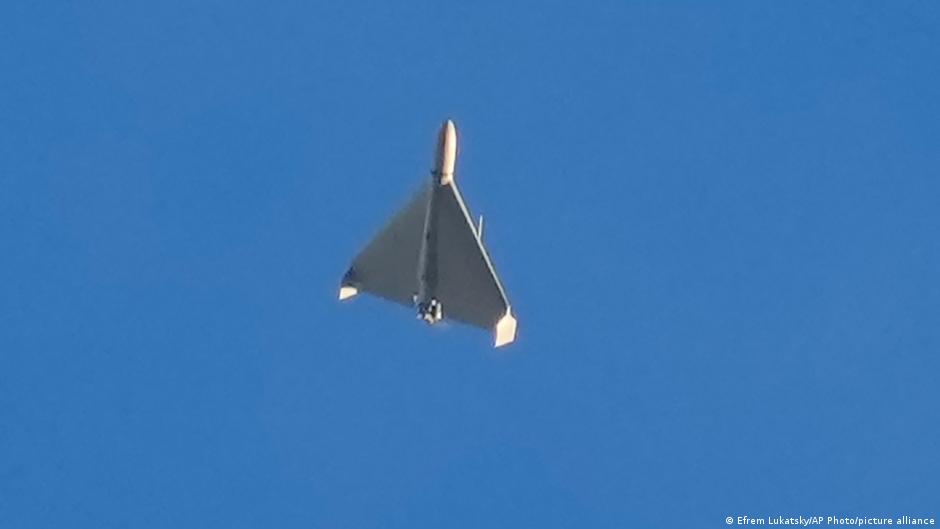
In the early hours of Friday, April 24, Russian military forces launched drone strikes targeting the city of Odessa, Ukraine. This assault inflicted damage primarily on residential neighborhoods, leaving multiple civilians injured and raising concerns about the safety and security of urban areas amid the ongoing conflict.
Impact on Residential Infrastructure and Civilian Casualties
Further details from Oleg Kiper, head of the Odessa Regional Military Administration (OVA), indicated that a drone specifically struck a three-story building, destroying apartments on the second and third floors. Tragically, two individuals sustained shrapnel injuries: a 72-year-old woman and a 52-year-old man. The elderly woman was transported to a hospital for treatment. Kiper also noted collateral damage including broken windows and vehicle damage in adjacent properties.
"Unfortunately, the attacks resulted in civilian injuries and significant damage to residential buildings, underscoring the ongoing threats faced by urban populations in conflict zones," said Oleg Kiper.
Strategic and Corporate Implications
The drone attack on a civilian area like Odessa not only raises humanitarian concerns but also bears implications for corporate strategy and executive decision-making within multinational firms operating in or near conflict zones. Companies with assets, employees, or supply chain dependencies in Ukraine or neighboring regions must continuously evaluate risk exposure and adjust operational strategies accordingly.
Governance boards are increasingly called upon to integrate geopolitical risk assessments into corporate risk management frameworks to safeguard shareholder value and ensure business continuity. The recent escalation demonstrates the volatility in the region and the potential for infrastructure damage that can disrupt logistics, energy supplies, and workforce availability.
Executives should consider the implications for investment decisions, insurance coverage, and crisis response planning. Moreover, companies might need to reassess stakeholder communication strategies to maintain transparency and trust amid geopolitical instability.
As conflicts persist, the intersection of military activities and civilian infrastructure damage serves as a critical reminder for corporate leaders to prioritize resilience and adaptive strategies in high-risk environments.