Uzbek Banks Implement Minimum Balance Rule for Automatic Credit Card Deductions
New regulations prevent banks from fully depleting customers' card balances during automatic debt collections.
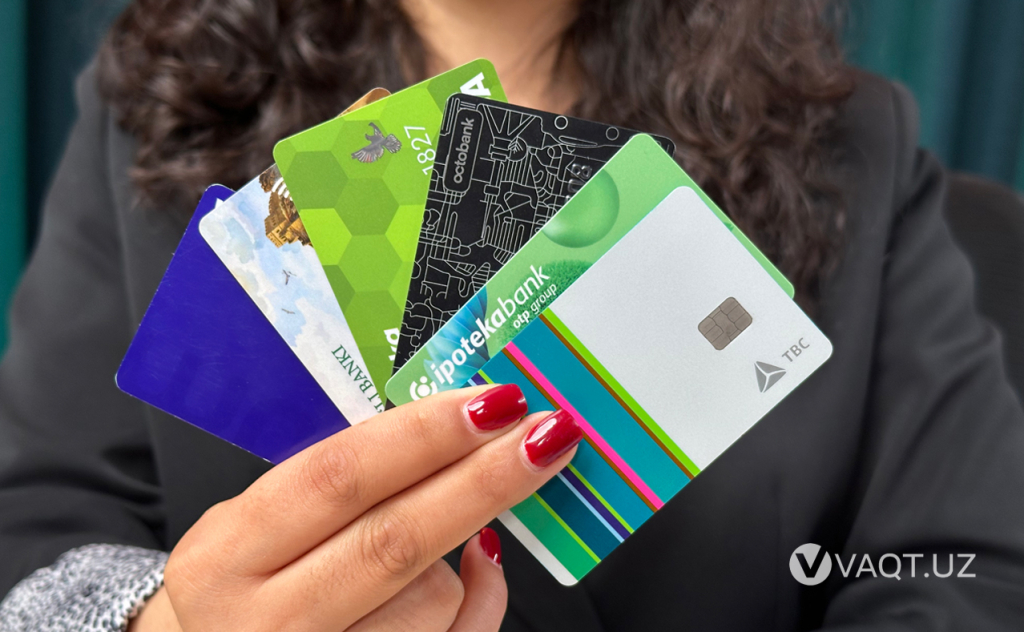
Starting April 15, Uzbek banks have introduced a significant change in the way they handle automatic deductions from customer bank cards, particularly concerning credit repayments, installment payments, and microloans. Under the new regulation, banks are prohibited from withdrawing funds beyond a stipulated minimum balance, set at 1,236,000 Uzbek soms (UZS), from customers' accounts during such operations.
Implications for Banking Operations and Customer Balances
Previously, banks in Uzbekistan could exhaust a customer's card balance entirely when collecting debts automatically, a process known as akseptsiz yechib olish, which translates to "automatic deduction without explicit transaction approval." This system enables banks and financial institutions to recover debts without requiring individual confirmation for each transaction.
However, the new policy mandates that at least three times the base calculation amount remain untouched in the customer's account after deductions. This base amount currently equates to 412,000 soms, totaling approximately 1.236 million soms. The change effectively ensures that customers retain a minimum balance, preventing their bank cards from being drained completely due to automatic debt recovery.
"Banks will now only be able to withdraw amounts exceeding the minimum balance threshold, ensuring customers' card funds are not fully depleted during automatic collections," said a spokesperson from the Uzcard payment system.
It's important to note that this restriction applies solely to automatic deductions. Transactions initiated and confirmed by the customer—such as those authorized via one-time codes or direct approvals—remain unaffected and can still result in full withdrawal of the card balance.
From a strategic perspective, this regulatory adjustment reflects a move to protect consumer interests while balancing the banks' need to recover debts effectively. By instituting a minimum balance safeguard, Uzbek financial institutions demonstrate responsiveness to consumer protection concerns, potentially improving customer trust and reducing disputes related to over-withdrawals.
Technically, the payment systems have already adapted to support this new minimum balance requirement, with several banks actively informing their customers about the change. The policy's implementation marks a noteworthy shift in Uzbekistan's consumer finance landscape and could influence banking practices regarding credit management and customer relations.
For executives and corporate strategists in the banking sector, this development necessitates revisiting internal risk controls, loan recovery protocols, and customer communication strategies to align with the new regulatory environment. Adapting IT systems and transaction processing workflows to accommodate minimum balance preservation will also be critical to ensuring compliance and operational continuity.