Ukrainian President Zelensky Meets U.S. Senate Amid Sanctions Vote on Russia
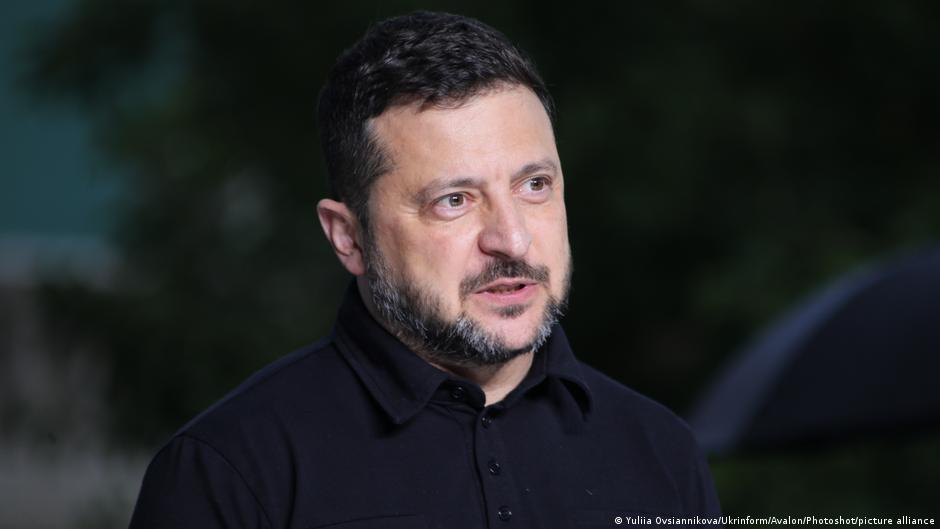
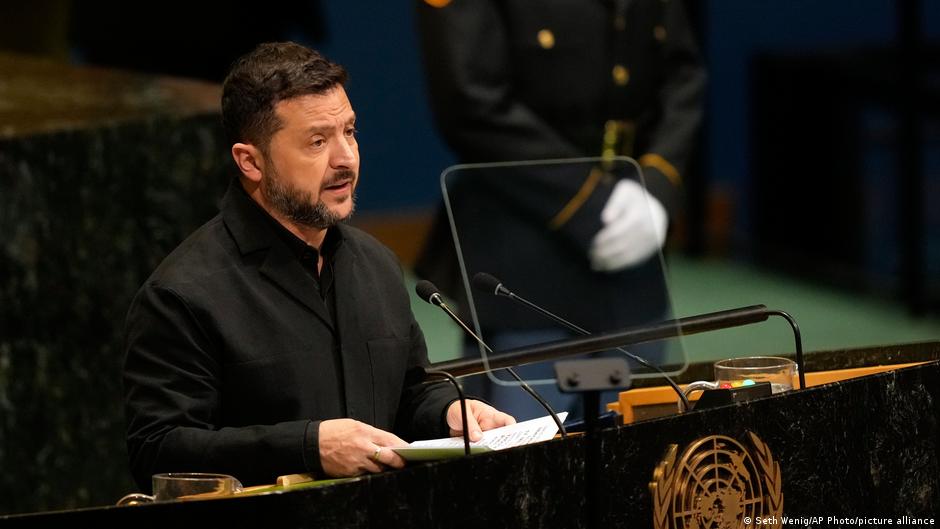
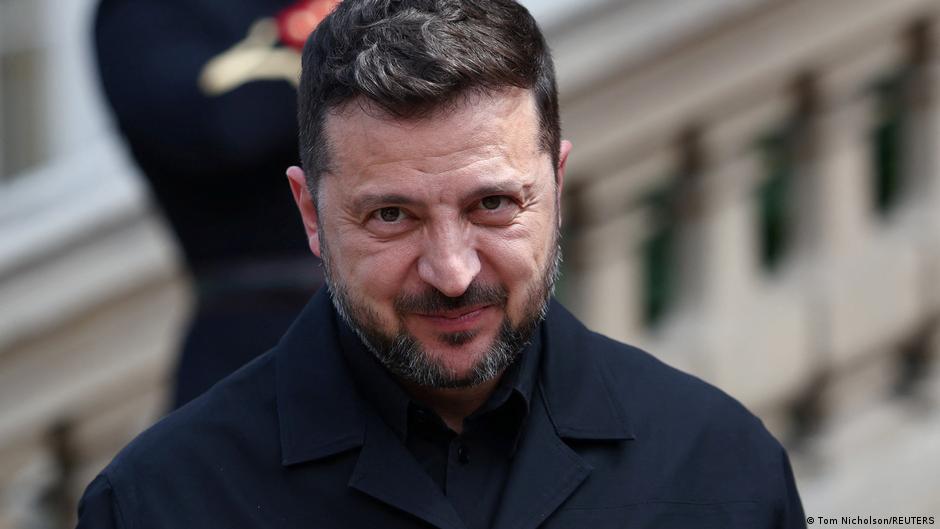
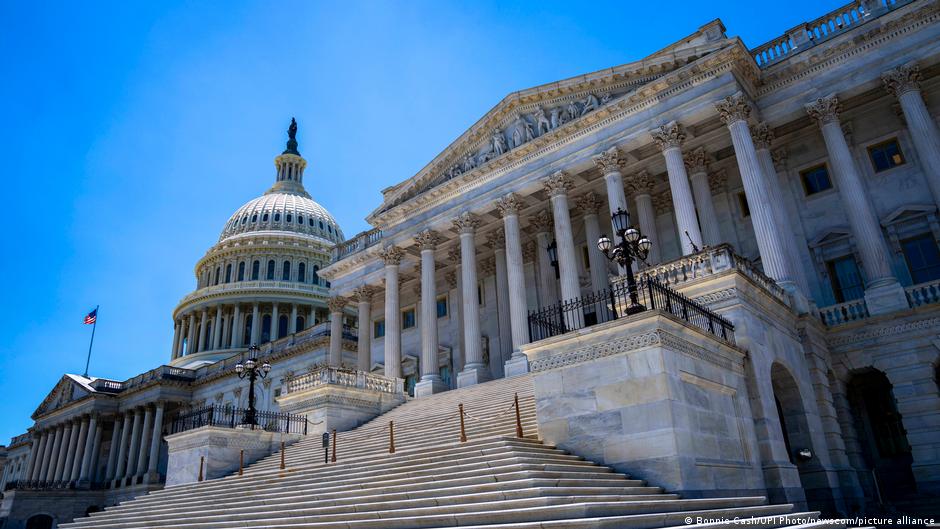
President Zelensky meets all 100 U.S. senators as the Senate prepares to vote on new Russia sanctions during his Washington visit tied to Senator Graham's funeral.

President Zelensky meets all 100 U.S. senators as the Senate prepares to vote on new Russia sanctions during his Washington visit tied to Senator Graham's funeral.

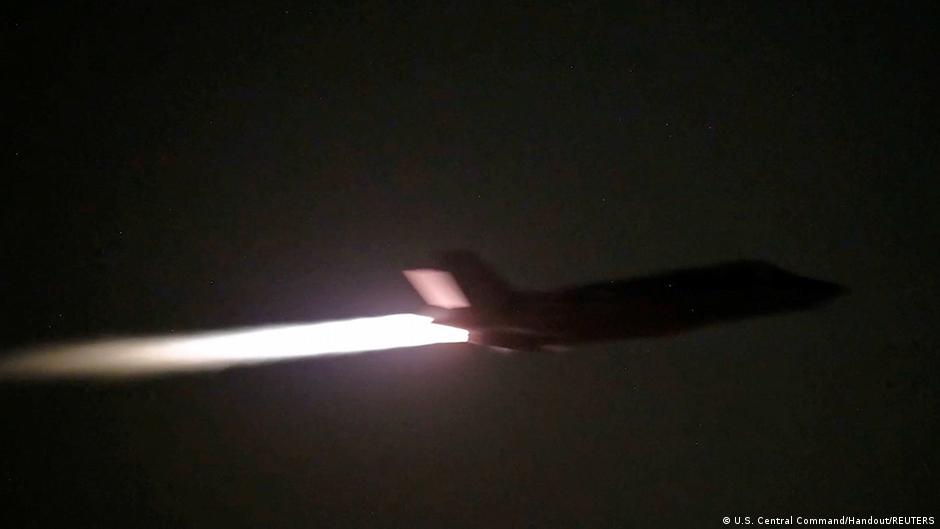
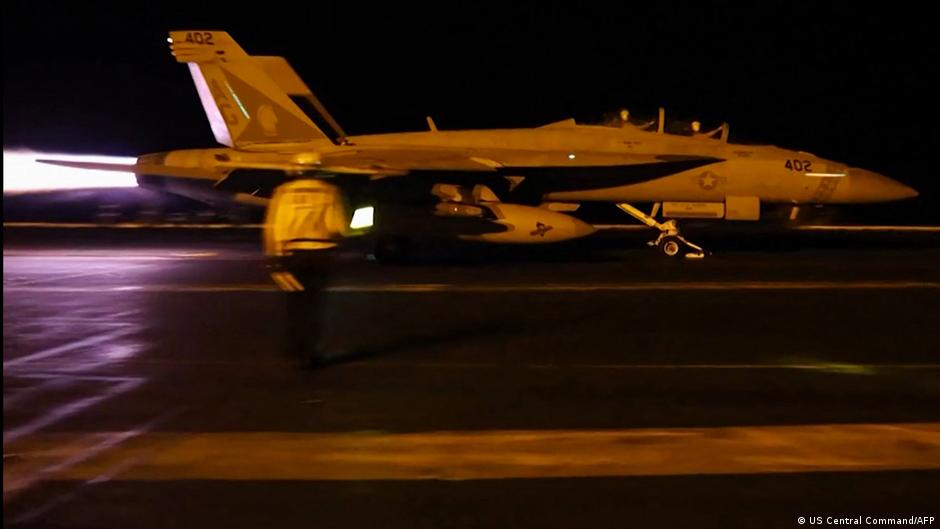
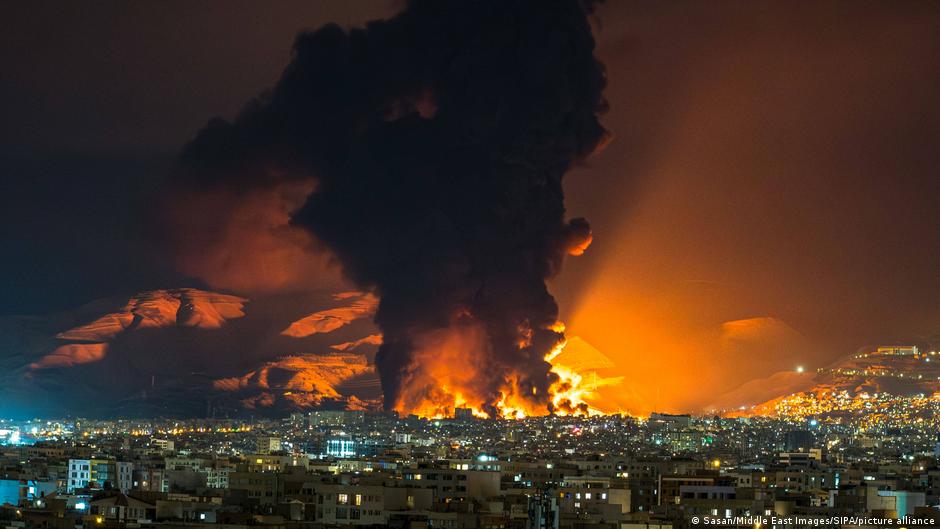
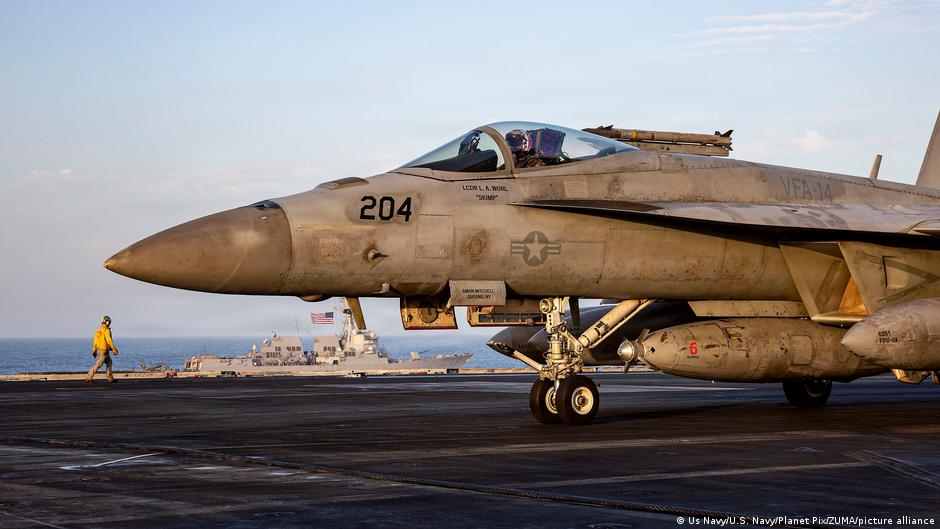
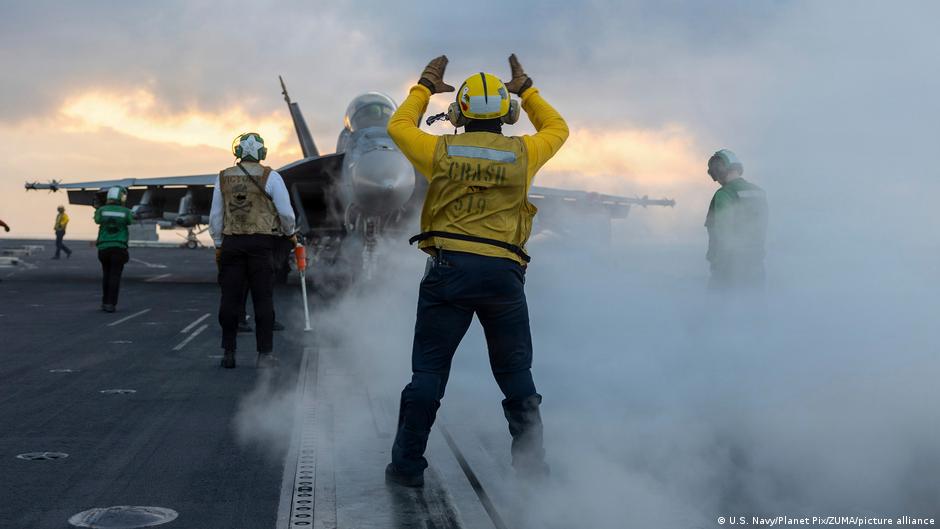
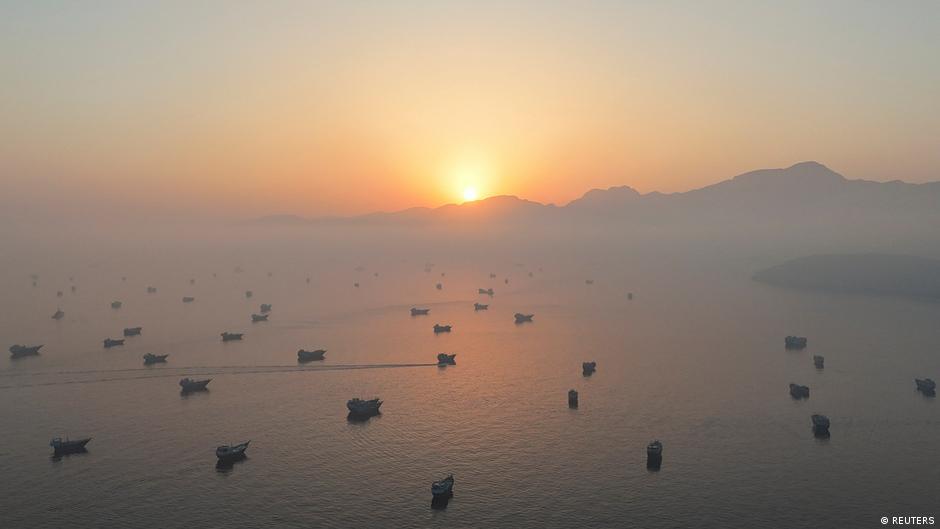
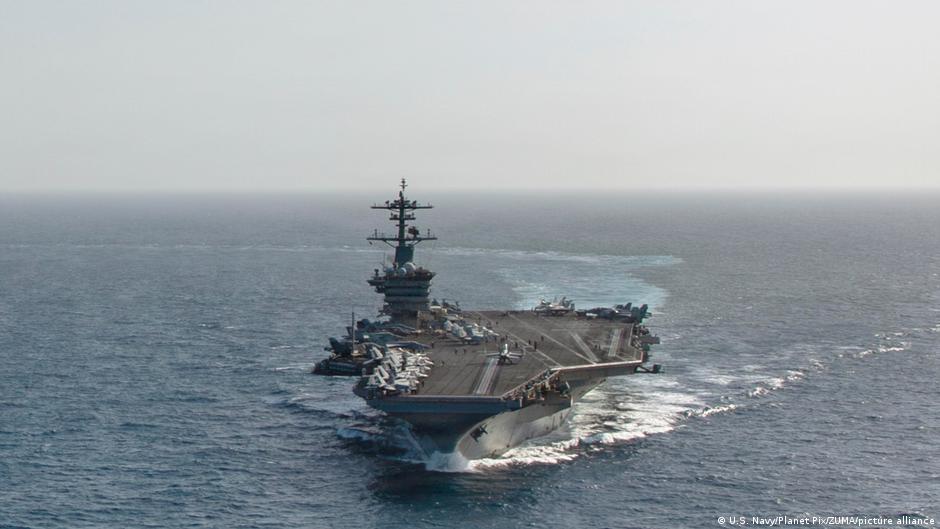
The US military has conducted its 11th consecutive night of strikes on Iranian military targets to curb threats to commercial shipping in the Strait of Hormuz amid escalating hostilities.
The US military has conducted ten consecutive days of strikes against Iranian targets, escalating tensions in the Persian Gulf as Tehran retaliates with drone and missile attacks.
US forces continue nightly strikes against Iran, with Iranian counterattacks targeting US bases and disrupting critical energy shipping routes in the Strait of Hormuz.

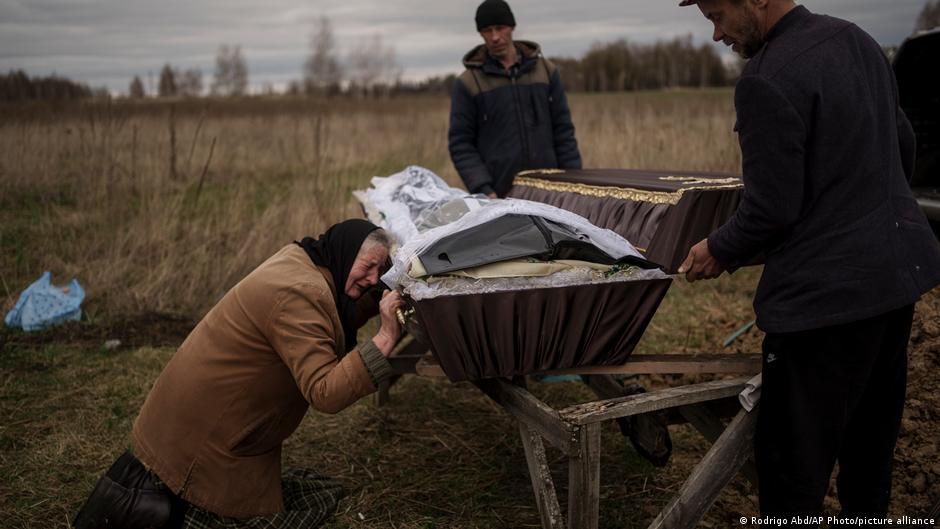
June 2026 marks the deadliest month for civilians in Ukraine since the Russian invasion, with escalating casualties signaling deepening humanitarian and strategic challenges.

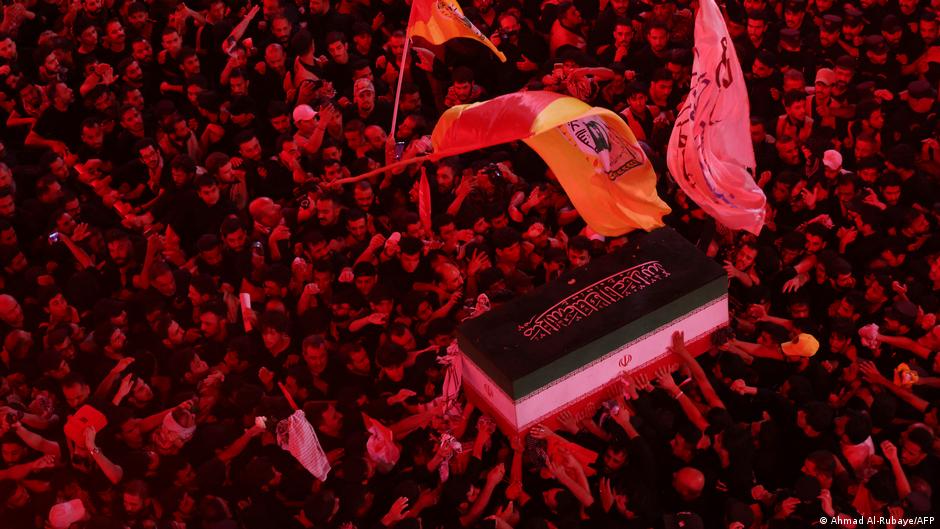
Iran held a closed funeral for Ayatollah Ali Khamenei amid regional conflict and leadership uncertainty, with his son and successor Mojtaba absent from public view.

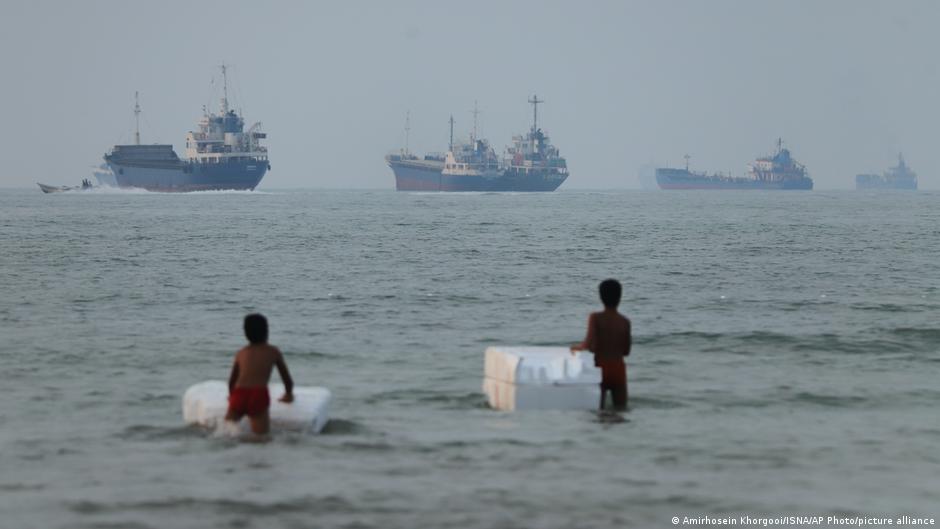
The US has launched new military strikes against Iranian targets to limit Tehran's interference with shipping in the Strait of Hormuz, escalating tensions after tanker attacks.

The US military launched strikes on Iranian targets following attacks on tankers in the Strait of Hormuz, alongside renewed sanctions on Iranian oil, escalating tensions and complicating Gulf security.

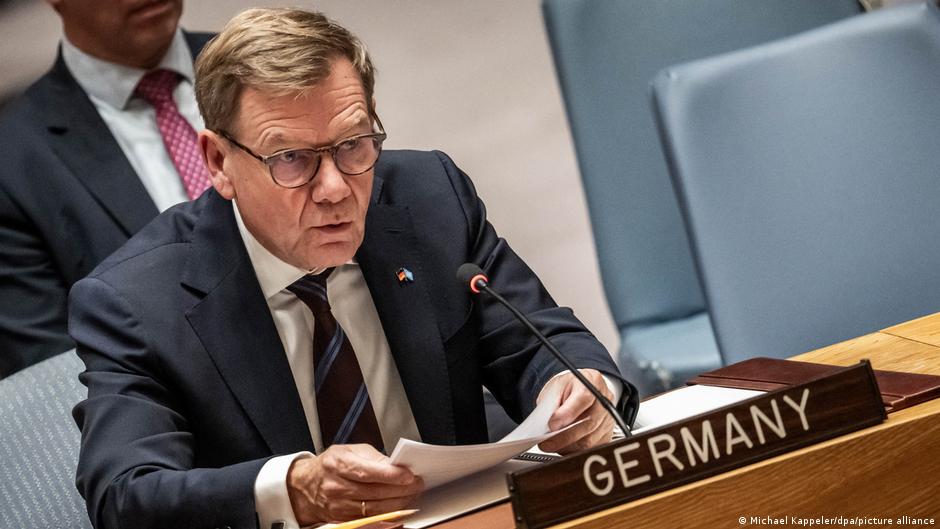
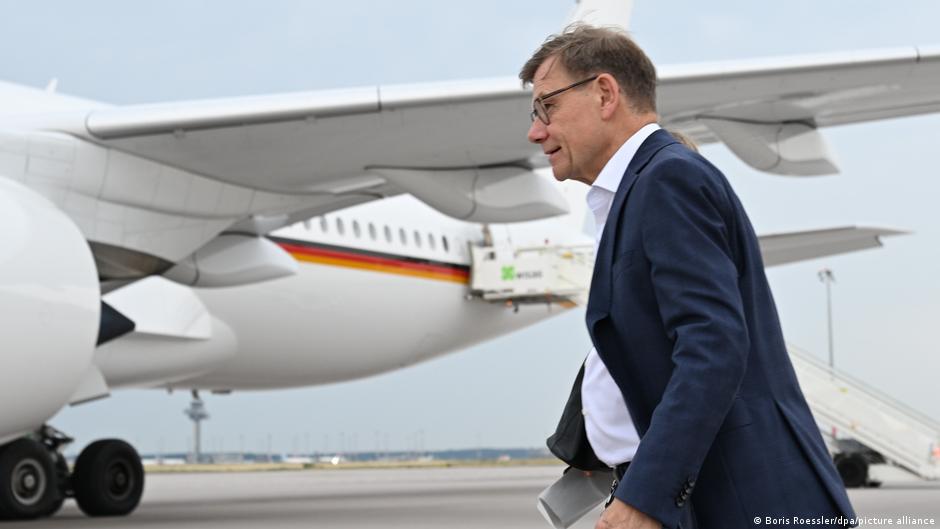
German and US foreign ministers met in Washington to reinforce their partnership, discuss NATO contributions, support for Ukraine, and regional cooperation ahead of key international summits.

The U.S. and Iran agreed to halt attacks until June 30 ahead of talks on restoring navigation through the Strait of Hormuz, a vital energy corridor facing ongoing security challenges.

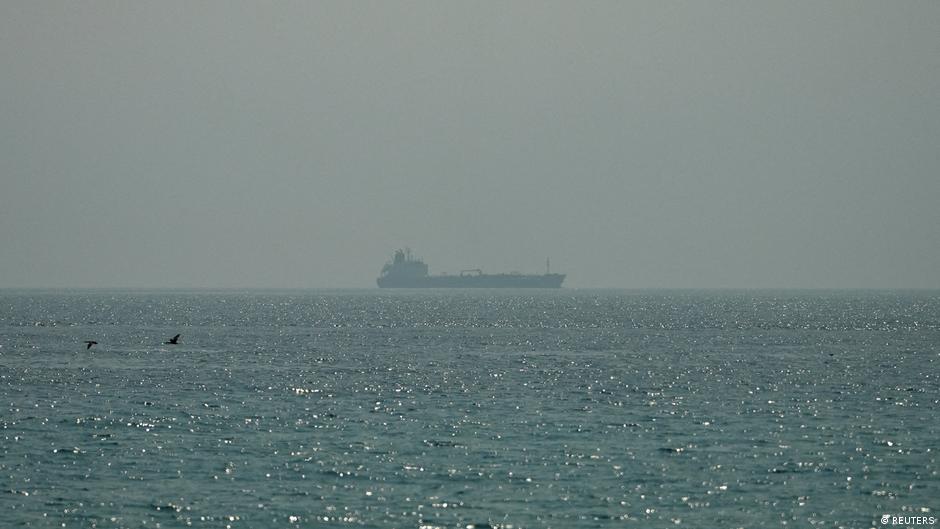
US forces conducted air strikes on Iranian military infrastructure in response to drone attacks on commercial oil tankers near the Strait of Hormuz, escalating regional tensions.

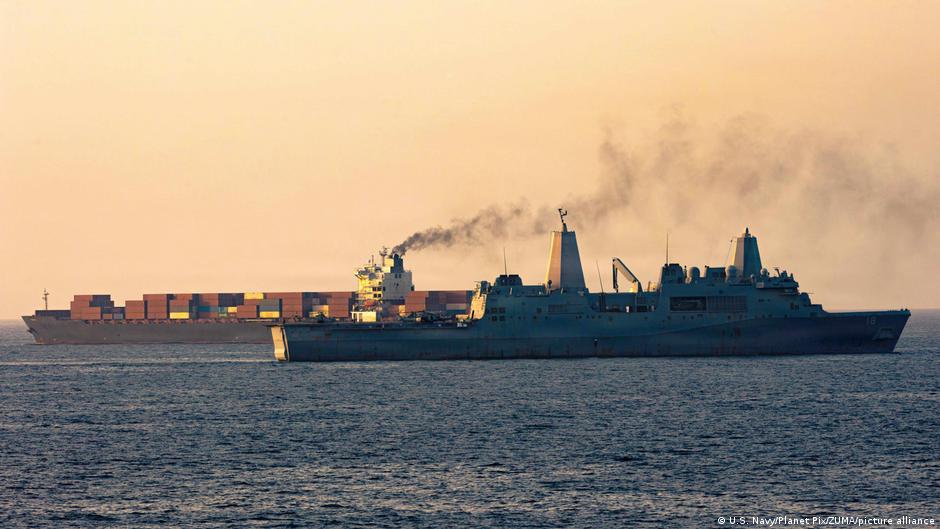
The US conducted airstrikes on Iranian military sites after Iran attacked a Singapore-flagged cargo ship in the Strait of Hormuz, escalating tensions and impacting global trade routes.

The U.S. Senate passed a resolution urging withdrawal of troops from conflict zones involving Iran, signaling bipartisan concern over ongoing hostilities and highlighting congressional oversight in foreign policy.

The US and Iran agreed to create a communication channel to prevent incidents in the Strait of Hormuz, with a 60-day roadmap to finalize agreements.

The US may impose transit fees for ships passing through the Strait of Hormuz if Iran negotiations fail, linking military strategy with economic policy in a key global trade route.

US intelligence warns Israeli PM Netanyahu may seek to disrupt the US-Iran deal due to security concerns over Hezbollah and domestic election considerations.

US envoy Steven Whitkoff travels to Switzerland for delayed nuclear talks with Iran amid regional conflicts and strategic diplomatic efforts.

The US lifts its naval blockade of the Strait of Hormuz, reopening a vital oil passage and setting a 60-day negotiation period aimed at a broader peace deal with Iran.

Intelligence reports reveal Iran restored much of its missile arsenal during a ceasefire, potentially with recent Russian missile deliveries, complicating U.S. strategic decisions.

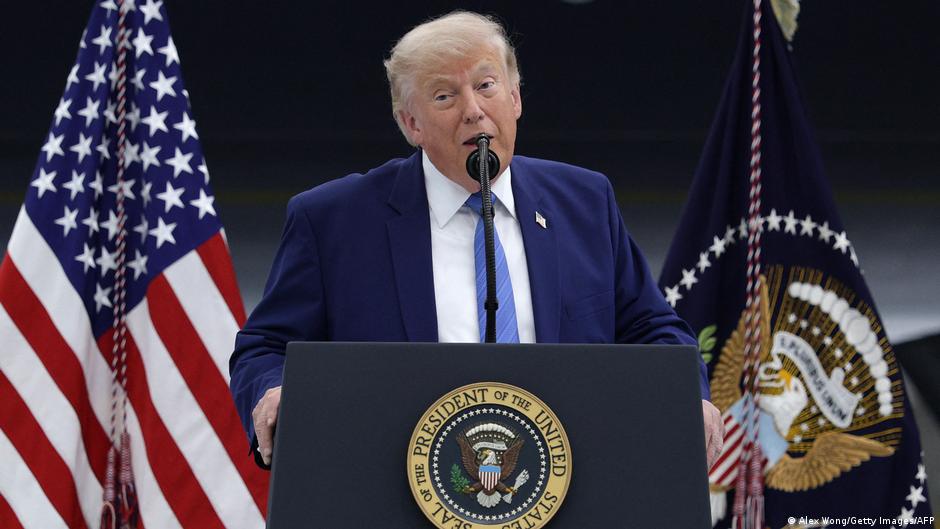
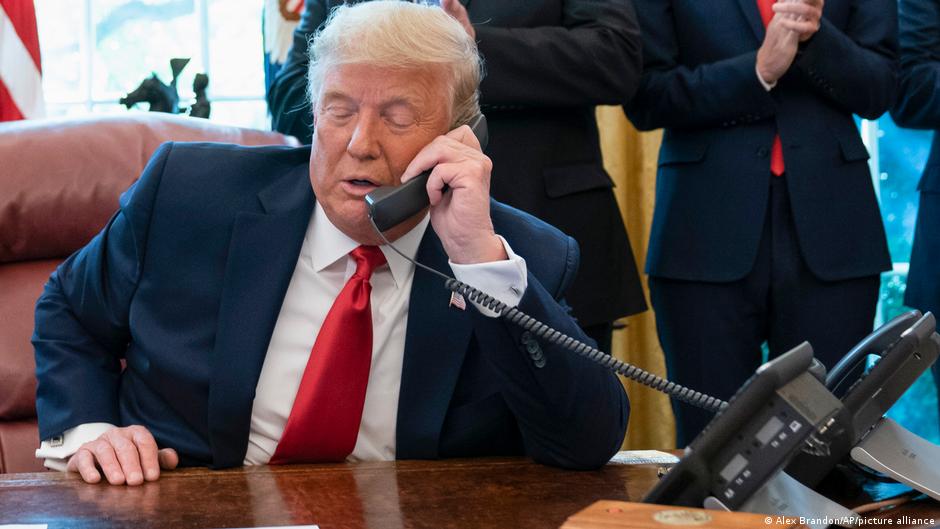
President Trump halted planned airstrikes on Iran amid promising negotiations, signaling a potential multinational nuclear agreement with significant regional and business implications.

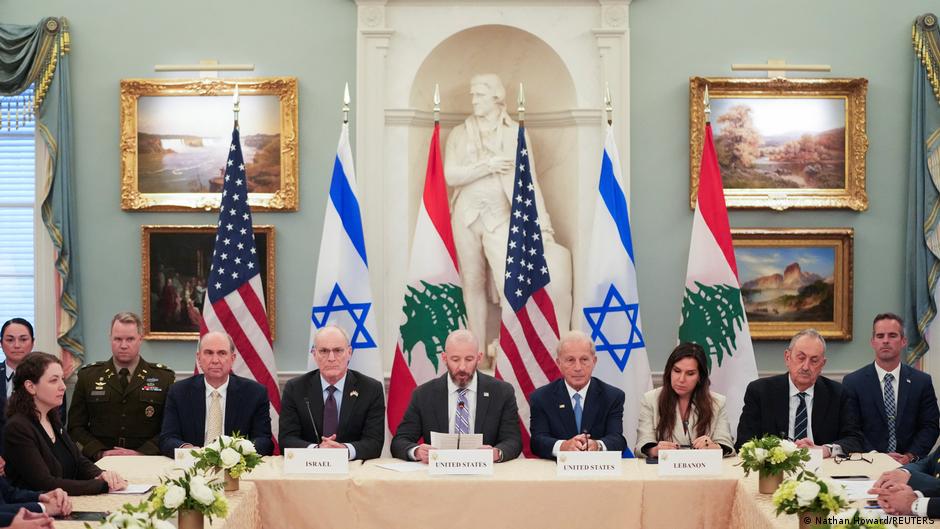
The US brokered a ceasefire between Israel and Lebanon, requiring Hezbollah’s disarmament and withdrawal, providing a critical pause in regional conflict with business and geopolitical implications.

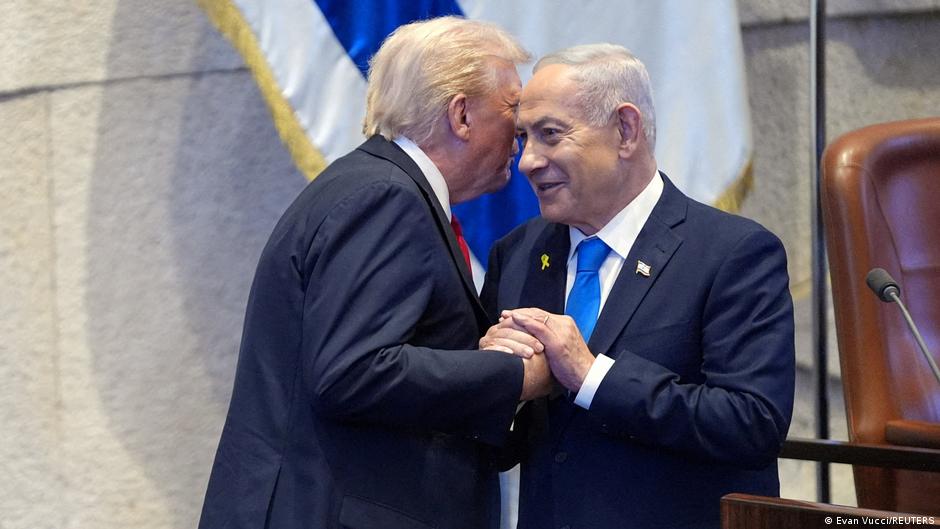
Former President Trump rebuked Israeli PM Netanyahu for Lebanon strikes, warning of increased civilian casualties and risks of Israel's international isolation amid ongoing Middle East tensions.

The U.S. disabled a Gambian-flagged ship en route to Iran amid intense enforcement of the Strait of Hormuz blockade, highlighting rising risks for maritime and defense sectors.

The US military conducted defensive strikes on missile sites and mining vessels in southern Iran, reinforcing protection of American forces amid an active ceasefire and complex diplomatic negotiations.

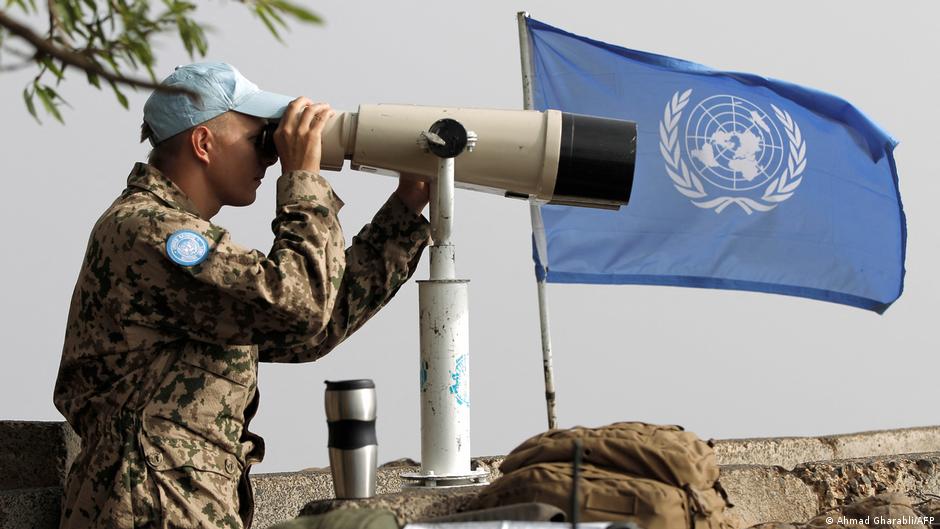
UN peacekeeping personnel have declined to the lowest level since 2000 due to funding crises and geopolitical tensions, threatening the effectiveness of multilateral conflict resolution.

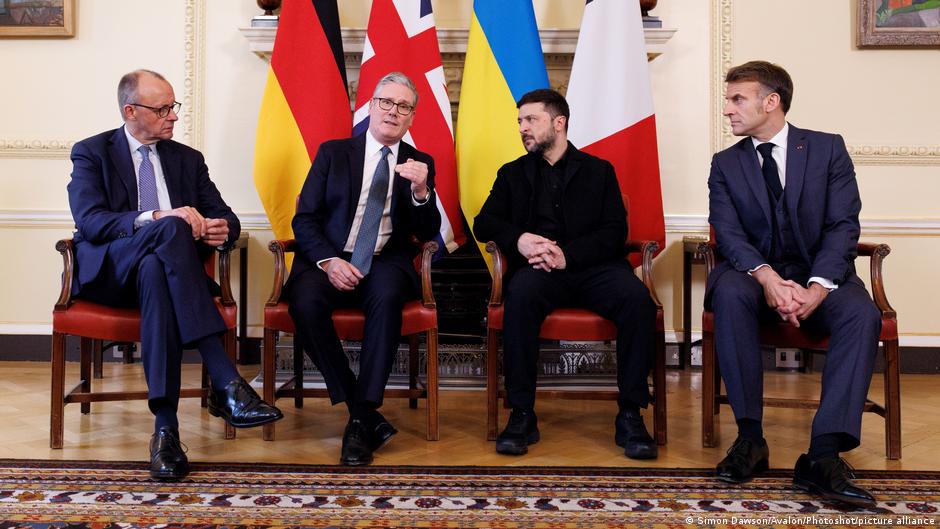
European leaders and Ukraine's president convened virtually to strategize renewed diplomatic efforts and enhance Europe's role in ending the war against Russian aggression.

President Trump delayed a planned military strike on Iran following diplomatic appeals from Gulf leaders and ongoing negotiations aiming for a nuclear agreement.

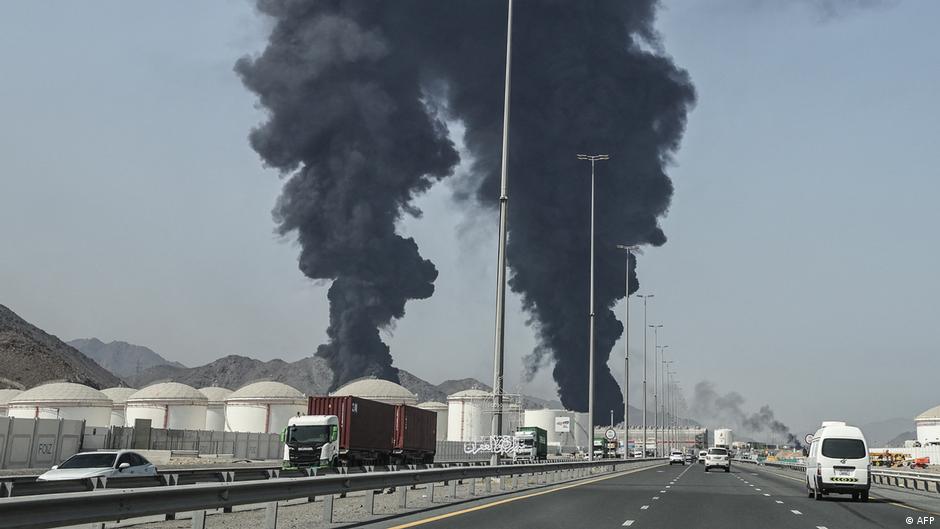
The UAE has covertly launched strikes against Iran, marking a strategic shift amid escalating drone attacks and economic disruption in the Gulf region.

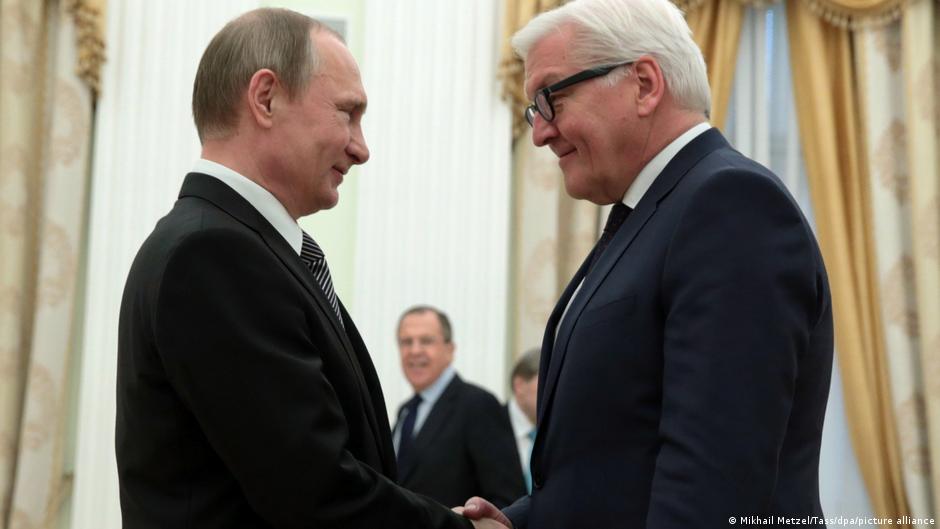
Germany considers President Steinmeier alongside Schröder to represent the EU in peace talks with Russia, amid doubts about relying solely on Schröder's mediation role.

Russia and Ukraine use the May 9 ceasefire for troop rotations and logistical preparations despite ongoing attacks and stalled prisoner exchange talks.

Ukraine proposed a unilateral ceasefire beginning May 6, yet Russian forces continue attacks, complicating efforts for a May 8-9 Victory Day truce.

Iran launched a significant missile and drone attack on UAE targets, breaking a month-long ceasefire and prompting strong international condemnation and strategic reassessments.

Iran has delivered a 14-point peace proposal to the U.S., demanding troop withdrawals, sanctions relief, and reparations, while Washington remains doubtful about its acceptance.

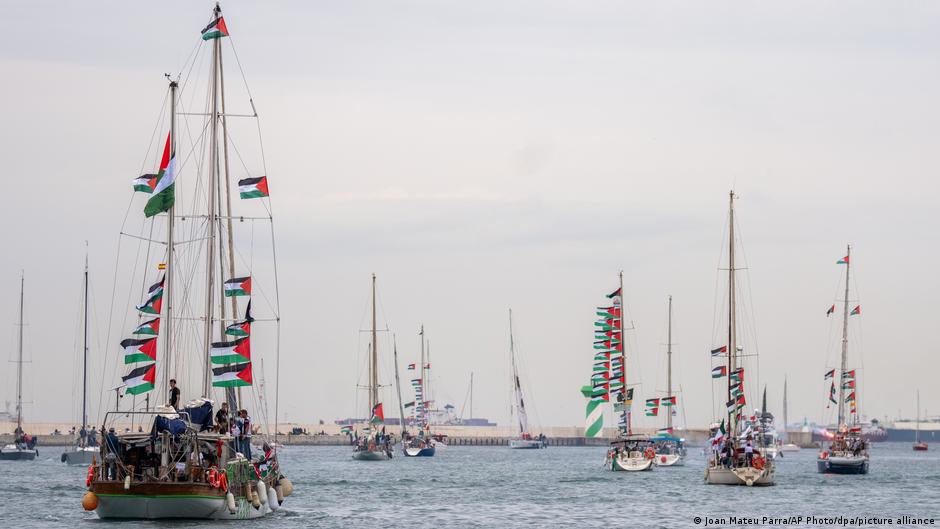
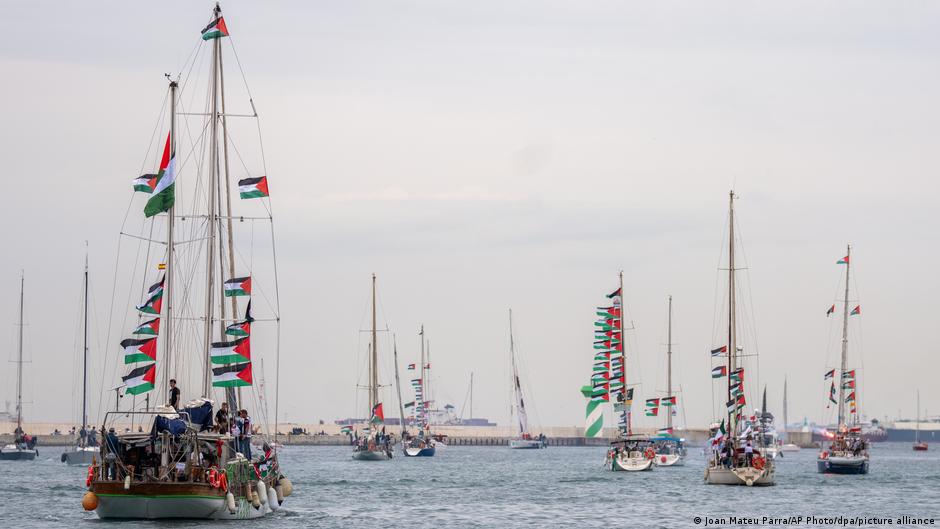
Italy and Germany urge adherence to international law following Israel's interception of a humanitarian aid flotilla bound for Gaza, highlighting complex geopolitical and legal challenges.

Israeli naval forces have detained vessels from the Global Sumud Flotilla attempting to deliver humanitarian aid to Gaza, reinforcing the maritime blockade amid ongoing conflict.

Trump’s threats against Iran have pushed Brent and WTI oil prices sharply higher, underscoring the impact of geopolitical tensions on global energy markets and corporate strategies.

President Trump ends US negotiators’ travel to Pakistan, citing America’s superior position and secure remote communication lines in ongoing Iran talks.

US President Trump announced a three-week extension of the Israel-Lebanon ceasefire following historic US-facilitated talks aimed at advancing peace and countering Hezbollah.

Iran accuses the U.S. of ceasefire violations after American forces seized an Iranian cargo ship in the Gulf of Oman, complicating diplomatic negotiations and regional stability.

Donald Trump declined NATO's offer to assist in the Strait of Hormuz security mission, calling the alliance ineffective, while European leaders plan a multinational peacekeeping operation.

Germany authorized multimillion-euro arms exports to Israel amid war, balancing solidarity, political tensions, and complex export regulations affecting corporate strategy.