US Military Strikes Iranian Infrastructure in Retaliation for Attacks on Commercial Shipping
US forces target Iranian military assets after drone strike on oil tanker amid ongoing tensions in the Strait of Hormuz.
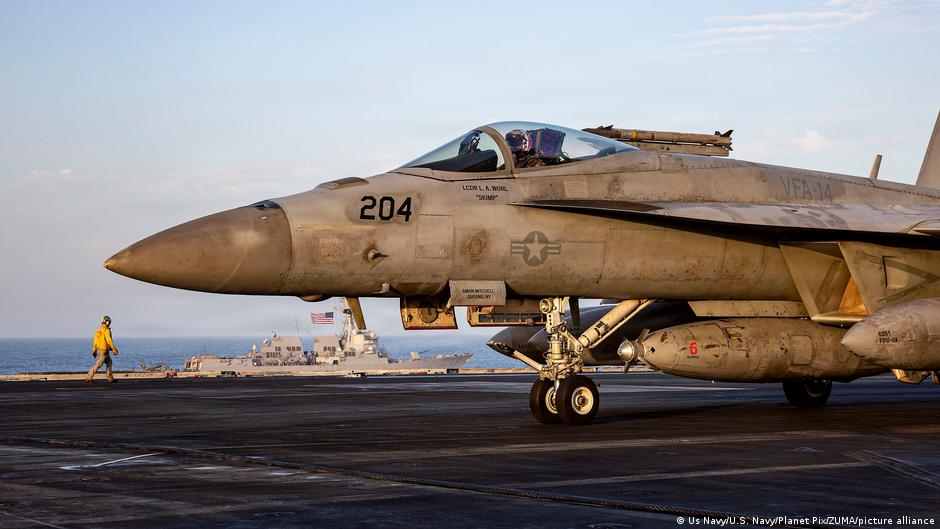
On June 27, the United States military launched air strikes against Iranian military infrastructure, including surveillance systems, communications hubs, air defense installations, drone storage facilities, and mine-laying assets. The strikes came in response to recent Iranian attacks on commercial vessels navigating the strategic Strait of Hormuz.
Strategic and Corporate Implications of Escalating US-Iran Tensions
The Pentagon's Central Command (CENTCOM) explained that the retaliatory strikes followed an Iranian drone attack on the Panama-flagged tanker Kiku, which was carrying over two million barrels of crude oil near the Strait of Hormuz. This attack occurred shortly after Iran had ignored a US offer to maintain a ceasefire agreement following an earlier assault on the vessel Ever Lovely.
"The US military remains vigilant, maintaining combat readiness and the capability to use force to ensure safe passage of commercial shipping through the Strait of Hormuz," CENTCOM stated on social media platform X.
The Strait of Hormuz is a critical maritime chokepoint responsible for a significant portion of global oil transit. Disruptions here have broad implications for international energy markets and corporate supply chains, particularly for firms dependent on stable oil supplies and shipping routes.
Additional regional responses include Kuwait activating its air defense systems against missile and drone attacks, and Bahrain experiencing explosions and air raid sirens. Both nations have witnessed heightened security alerts as the Iran-backed Islamic Revolutionary Guard Corps (IRGC) claimed responsibility for strikes against US military targets on their territories, framing these actions as direct responses to US air strikes in southern Iran.
The back-and-forth military actions mark a deterioration in US-Iran relations following the June 17 framework agreement intended to cease hostilities and unblock key maritime routes. This fragile détente has now been compromised, with Iran asserting control over shipping lanes and threatening a more extensive military retaliation if US forces continue their current operations.
US President Donald Trump publicly reaffirmed the strikes and warned of escalating military consequences if Iran persists in defying the ceasefire. His statement underscores the potential for a significant shift in US policy, possibly affecting regional stability and international commerce.
Boardroom Considerations and Industry Impact
For corporate executives in energy, shipping, and international trade sectors, these developments necessitate a reassessment of risk profiles and contingency planning. Supply chain disruptions from maritime insecurity could lead to increased costs and volatility in oil prices. Firms with exposure to Middle Eastern routes must critically evaluate their logistics strategies and insurance frameworks in light of the heightened geopolitical risk.
Furthermore, multinational corporations with investments or operations in the Gulf region may face direct operational challenges and reputational risks associated with the escalating conflict. Strategic dialogue among boards and executive teams is essential to navigate the complexities arising from this deteriorated security environment.
In this high-stakes environment, corporate governance will need to emphasize crisis risk management, transparent stakeholder communication, and adaptive strategies to mitigate geopolitical uncertainties that could impact financial performance and shareholder value.