UAE Conducted Covert Strikes Against Iran Amid Heightened Regional Conflict
The UAE reportedly launched military attacks on Iran, signaling a strategic shift amid escalating tensions and economic fallout.
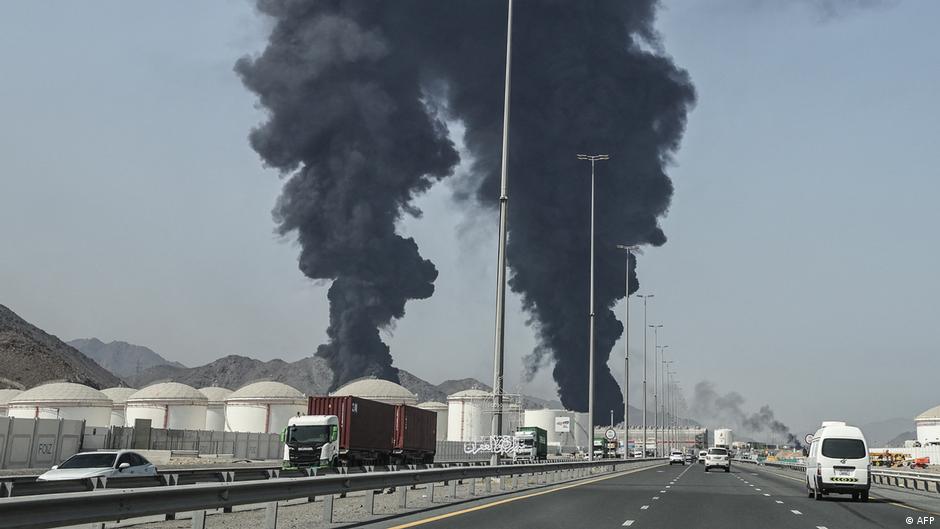
The United Arab Emirates (UAE) has been conducting covert military strikes against Iran, responding to repeated assaults from the Islamic Republic, according to informed sources cited by The Wall Street Journal on May 11. These developments reveal Abu Dhabi as an active combatant in the ongoing regional conflict, despite the government's official silence on the matter.
Strategic Calculations Behind UAE's Military Actions
While the UAE has not publicly acknowledged launching attacks on Iran, reports indicate that one of its military operations targeted a refinery on Iran’s Lavan Island in the Persian Gulf in early April. This attack coincided with a U.S. announcement of a ceasefire between the United States and Israel against Iran, declared roughly five weeks after the conflict's onset.
Iran confirmed that its Lavan Island oil refinery suffered an enemy strike, triggering a series of retaliatory missile and drone attacks against the UAE and Kuwait.
“Washington quietly welcomed the involvement of the UAE and any other Gulf states in combat operations,” a source familiar with the situation revealed, highlighting the tacit approval of the U.S. administration amid the complex dynamics of the ceasefire timeline.
Officials from the UAE’s Ministry of Foreign Affairs declined to comment on the Lavan Island incident but referenced prior statements affirming Abu Dhabi's right to respond to hostile acts, including through military means. Similarly, the Pentagon refrained from making any public remarks.
Economic and Strategic Impact on the UAE
The conflict has inflicted significant damage on the UAE’s economy. Since the war began, Iran has launched approximately 2,800 drone and missile attacks on the UAE, surpassing the number of attacks on any other country, including Israel. These assaults have disrupted aviation, tourism, and real estate sectors, resulting in widespread layoffs and unpaid leave for employees.
The escalating hostilities have prompted a fundamental reassessment of the UAE’s strategic posture. Regional officials note that Iran is now viewed as a pariah state actively undermining the UAE’s economic and social model, which is heavily reliant on attracting foreign professionals and maintaining a reputation for safety and stability.
The UAE’s military capabilities include advanced aviation assets such as French Mirage fighters and U.S.-made F-16 jets. Emirati pilots are recognized for their high level of training and proficiency, underscoring the country's growing military sophistication in a volatile geopolitical environment.
Boardroom Implications and Future Outlook
For corporate leaders and investors, the UAE’s covert involvement in military operations signals increased geopolitical risk that must be factored into strategic planning. The ongoing conflict threatens key economic sectors, disrupts supply chains, and could precipitate further instability in a region critical to global energy markets.
Executives should monitor developments closely as the UAE balances its security imperatives with its role as a global business hub. The potential for escalated conflict could impact foreign investment, expatriate workforce stability, and the overall operating environment for multinational corporations.