Trump Cancels Strikes on Iran Amid Promising Progress Toward Peace Agreement
Following direct talks with Iranian leadership, President Trump halts planned military actions and signals imminent multinational nuclear deal.
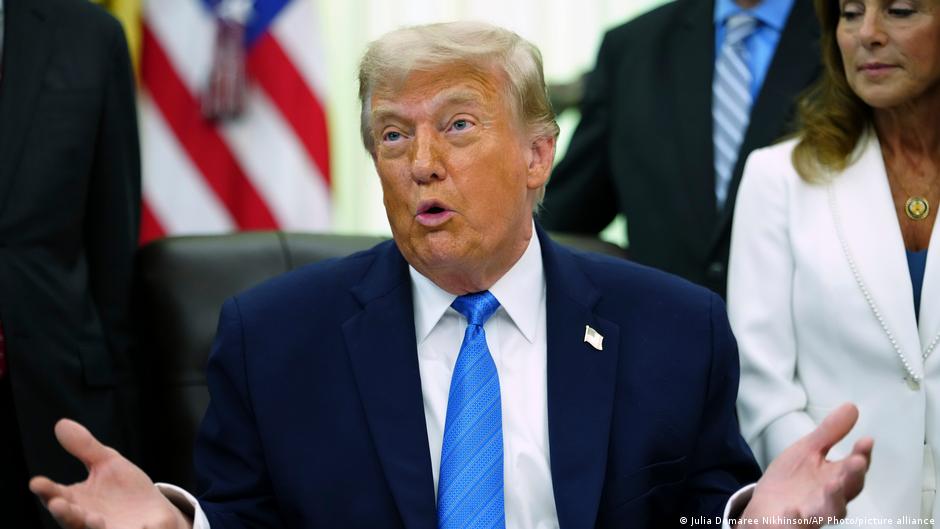
President Donald Trump announced the cancellation of planned airstrikes against Iran, citing significant progress in negotiations with senior Iranian officials. The decision, communicated via his Truth Social platform on June 11, marks a strategic pivot from military escalation toward a potential diplomatic resolution of the ongoing conflict.
"Based on discussions with the Islamic Republic of Iran elevated to its highest leadership and approved, I have called off the scheduled evening strikes," Trump declared. The ceasefire gesture accompanies a broader regional agreement negotiated among multiple stakeholders, including Israel, Saudi Arabia, the United Arab Emirates, Qatar, Turkey, Pakistan, Bahrain, Kuwait, Jordan, and Egypt.
Multilateral Deal and Regional Stability
Trump emphasized that while the maritime blockade remains fully enforced until the final agreement is formalized, the timing and location of the signing ceremony will be disclosed in the near future. He indicated the deal might be signed in Europe over the upcoming weekend; however, he himself will not attend due to his 80th birthday celebration on June 14. Vice President J.D. Vance will represent the United States at the event.
Highlighting the strategic import of the deal, Trump stated the agreement will ensure that Iran "will never possess nuclear weapons," with the Strait of Hormuz reopening to international shipping. This development could ease geopolitical tensions and stabilize vital energy transit routes through the Persian Gulf.
"This agreement represents a monumental step toward de-escalating one of the most volatile regions in the world, preserving American interests without further military confrontation," Trump noted.
Notably, hours before announcing the strike cancellation, Trump had openly discussed the possibility of seizing Iran's crucial oil hub on Khark Island and mentioned plans for "new, larger, more powerful strikes" while expressing reluctance to target infrastructure such as bridges and power plants.
Meanwhile, Iranian officials have not yet finalized their position on the proposed deal. Esmail Baghaei, Foreign Ministry spokesperson, stated that Iran has yet to reach a conclusive decision. Mohammad Bagher Ghalibaf, Speaker of the Iranian Parliament and a member of the negotiation team, warned Washington against impulsive military actions, cautioning that such moves would trap both sides in an "endless quagmire" and promised an "alternative Iran" if provoked.
The military backdrop to the diplomatic overtures includes resumed U.S. strikes on Iranian targets on June 10, declared by CENTCOM as retaliation for "unprovoked and ongoing Iranian aggression." Secretary of Defense Pete Hegseth stressed that these attacks aim to create conditions conducive to a peace agreement rather than reigniting full-scale conflict.
Iran responded with ballistic missile attacks targeting U.S. military bases in the Persian Gulf region and Jordan, accompanied by air defense alerts in Kuwait and Bahrain. The Iranian military also reiterated its closure of the Strait of Hormuz, threatening to attack any vessels attempting passage.
This sequence of military and diplomatic maneuvers underscores the complexity of executive decision-making at the highest levels, balancing strategic military actions with broader efforts to achieve a sustainable regional agreement. The involvement of multiple regional powers highlights the critical diplomatic coordination underpinning this emerging accord.
For American business leaders and policymakers, the potential reopening of the Strait of Hormuz and cessation of hostilities could stabilize oil markets and reduce geopolitical risk premiums, impacting global energy prices and supply chains. This underscores the intersection of executive foreign policy decisions and their far-reaching implications for corporate strategy and international commerce.