Austria Plans to Extend Mandatory Military Service Amid Rising Security Concerns
Austrian government proposes increasing conscription duration to nine months alongside enhanced training and pay reforms.
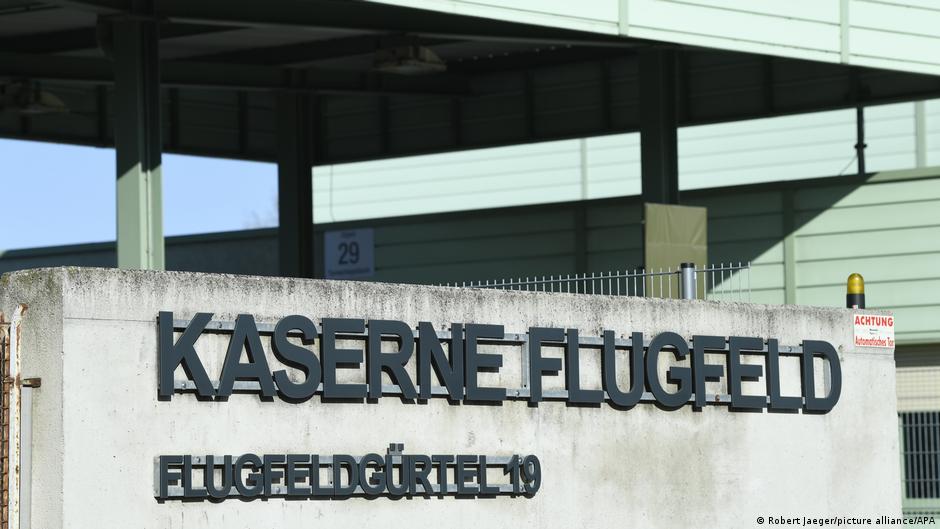
The Austrian government has announced plans to extend the duration of mandatory military service from six to nine months, a move reflecting increased concerns over national security amid ongoing geopolitical tensions in Europe.
Strategic Shift in Austria’s Military Conscription
On July 27, Austria’s ruling coalition, comprising the Austrian People’s Party (ÖVP), the Social Democratic Party (SPÖ), and the liberal Neos party, reached an agreement on reforms to the country’s compulsory military service. The legislative amendments will require parliamentary approval before implementation, targeted for January 1, 2027.
The key reform components involve prolonging the basic conscription period by three months and introducing mandatory field exercises following the initial six-month training. These exercises can be undertaken within a ten-year window, allowing for flexibility in reserve service. This phased approach aligns with recommendations from an expert commission aimed at enhancing the operational readiness of Austria’s armed forces.
“It is not enough to simply acquire new equipment if our soldiers lack sufficient practical experience handling it in emergencies,” stated Federal Chancellor Christian Schallenberg, emphasizing the need for a robust and well-prepared military force.
To improve the attractiveness of military service, the government is proposing increased monthly compensation to 1,000 euros and the introduction of paid leave days during service. These incentives aim to encourage enlistment and retention in an environment of evolving security threats.
Geopolitical Context and Security Implications
The impetus for this reform is directly tied to the changing security landscape in Europe following Russia’s invasion of Ukraine, which shattered hopes for lasting peace on the continent. The Austrian government cites growing risks related to hybrid warfare, cyberattacks, and vulnerabilities affecting critical infrastructure.
Austria, traditionally a neutral country and not a member of NATO, recognizes the necessity of bolstering its defense capabilities despite its longstanding non-aligned status. The government underscores the importance of both modern equipment and well-trained personnel to effectively respond to potential crises.
To secure the required two-thirds parliamentary majority for the reform, the ruling coalition is actively seeking support from the Freedom Party of Austria (FPÖ) and the Green Party, signaling a broad political consensus on national defense priorities.
Meanwhile, the changes do not currently extend to Austria’s civilian service, which remains at nine months. However, from 2027, the government plans to allow voluntary extensions of civilian service by two months, eventually making extensions mandatory in 2028 if conscription targets are not met.
Boardroom and Corporate Strategy Implications
For multinational corporations and businesses operating in Austria, these military reforms may influence workforce planning and human resource strategies. Extended conscription periods could impact labor availability for young professionals and trainees, necessitating adjustments in talent acquisition and retention policies.
Moreover, increased government emphasis on cybersecurity and infrastructure protection reflects broader economic and strategic priorities that may translate into regulatory changes and investment incentives affecting sectors such as technology, energy, and defense contracting.