U.S. Senate Passes Resolution Urging End to Military Actions Against Iran Amid Ongoing Diplomatic Talks
Senate resolution calls for withdrawal of U.S. forces from conflict zones involving Iran, reflecting bipartisan concerns over prolonged hostilities.
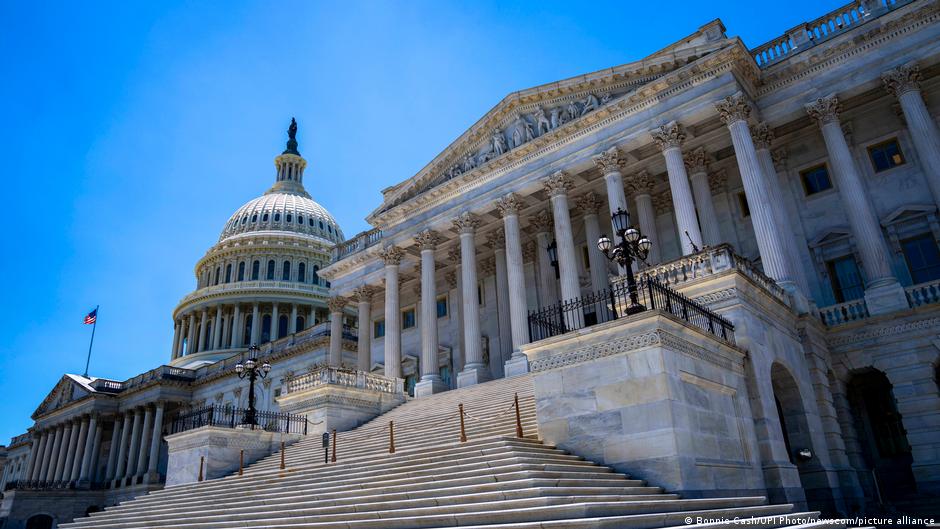
In a closely contested vote, the United States Senate approved a resolution urging the cessation of military operations against Iran and calling for the withdrawal of American troops from conflict zones related to the Iranian theater. The measure, passed with a narrow margin of 50 to 48 votes, follows earlier approval by the House of Representatives and signals growing apprehension among lawmakers, including some Republicans, about the prolonged U.S. and Israeli military engagements with Iran that began in late February 2026.
Symbolism and Strategic Implications for U.S. Foreign Policy
The resolution directs President Donald Trump to remove American forces from active combat zones involving Iran. However, it is largely symbolic as it lacks binding legal authority and cannot be vetoed by the President. The White House has dismissed the resolution as lacking practical effect, emphasizing that no active combat operations are currently underway, referencing a ceasefire agreement reached on April 17, 2026.
“There are no combat operations from which American forces can be withdrawn, as the cessation of hostilities has been in effect since April,” a White House official stated.
Despite the ceasefire, exchanges of hostilities between Washington and Tehran have not entirely ceased. In mid-June 2026, the two governments signed a memorandum of understanding (MoU) for a two-month period, which includes commitments to halt military actions across all fronts, including Lebanon, the lifting of sanctions on Tehran, and the establishment of a recovery fund aimed at rebuilding Iran’s infrastructure.
Democratic senators who championed the resolution underscored the necessity for Congress to assert its constitutional prerogative to prevent any resumption of hostilities without explicit legislative approval.
Political and Corporate Governance Considerations
The Senate’s endorsement of this resolution carries significant implications for executive decision-making and the strategic direction of U.S. foreign policy. It reflects increasing legislative scrutiny over unilateral military actions and signals a push for enhanced congressional oversight on war powers. For corporate leaders, particularly those in sectors such as defense, energy, and international trade, these developments highlight potential shifts in geopolitical risk assessments and regulatory environments.
Executive teams of companies with exposure to Middle Eastern markets or defense contracting should closely monitor the evolving diplomatic landscape, as changes in U.S. military posture and sanctions regimes could materially affect supply chains, compliance requirements, and market volatility.
President Trump recently indicated progress in ongoing peace negotiations with Iran, claiming agreed terms on nuclear oversight, sanctions relief, and maritime navigation through the strategic Strait of Hormuz. The Iranian government reportedly consented to international inspections of its nuclear facilities, a key factor enabling continued dialogue.
As the U.S. administration balances diplomatic advances with internal political pressures, boardrooms must evaluate the long-term implications of potential shifts in foreign policy, assessing how legislative actions like this Senate resolution might influence corporate risk profiles and strategic planning.
In summary, the Senate resolution, while symbolic, underscores congressional impatience with ongoing conflict and signals potential constraints on presidential war-making authority. For business leaders, it serves as a reminder to remain agile amid evolving geopolitical dynamics and to anticipate regulatory and operational impacts stemming from U.S.-Iran relations.