US Military Strikes on Iran Escalate Tensions Amid Renewed Sanctions and Gulf Security Concerns
US strikes targeting Iranian defense systems respond to tanker attacks amid stalled negotiations and renewed sanctions on Iranian oil.
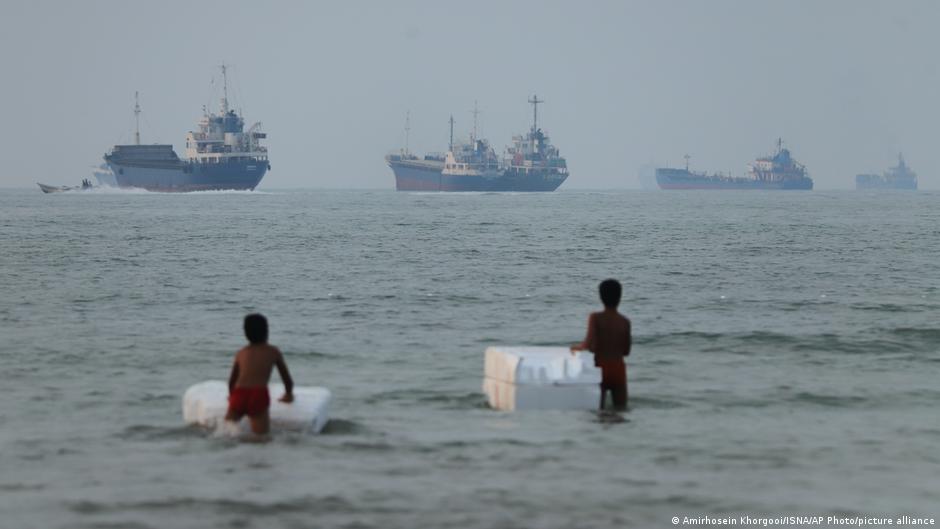
In a significant escalation of tensions in the Gulf region, the United States military launched extensive strikes against Iranian military targets in response to attacks on commercial vessels in the Strait of Hormuz. The moves come amid renewed US sanctions on Iranian oil exports and ongoing challenges to regional maritime security.
US Military Response and Strategic Targets
The US Central Command (CENTCOM) announced the operation as a direct retaliation for Iran's attacks on three commercial tankers transiting the strategically critical Strait of Hormuz. According to CENTCOM, the strikes aimed to inflict substantial damage on Iran's military capabilities.
Targets included Iranian air defense systems, command and control networks, coastal radar installations, and anti-ship missile defenses. Additionally, the operation targeted more than 60 vessels of the Islamic Revolutionary Guard Corps (IRGC), a paramilitary force central to Iran’s naval strategy.
"The aggression demonstrated by Iran was unjustified, dangerous, and constituted a clear violation of the ceasefire regime," CENTCOM stated on social media.
These actions coincide with recent intelligence reports that a Qatari liquefied natural gas tanker, Al-Rekajat, sustained serious damage from an unidentified projectile, while another tanker suffered light damage from a drone strike. Details remain limited regarding the third vessel reportedly attacked by Iranian forces.
Sanctions and Diplomatic Fallout
Hours prior to the military strikes, the US government reinstated sanctions on Iranian oil exports, reversing a brief suspension that had lasted just over two weeks. Tehran condemned both the sanctions and military actions as serious violations of bilateral agreements, with Iranian Deputy Foreign Minister Kazem Garibabadi vowing decisive measures to protect national interests.
Iranian state media further asserted that the attacked LNG tanker had ignored prior warnings, emphasizing that only a Tehran-designated maritime route through the Strait of Hormuz was considered safe.
Implications for Regional Security and International Diplomacy
Amid heightened tensions, France and the United Kingdom proposed a multinational maritime security mission in the Gulf during a NATO ministers meeting, aimed at safeguarding commercial shipping lanes. However, the absence of Iranian cooperation, coupled with skepticism among Gulf states, casts doubt on immediate de-escalation prospects.
The ongoing diplomatic deadlock is compounded by a memorandum between Washington and Tehran that requires resolution of multiple contentious issues within 60 days. These include Iran’s nuclear program, the withdrawal of US troops from neighboring countries, and potential fees for transit through the Strait of Hormuz. As yet, no significant progress has been reported.
Furthermore, Iran has withheld approval for comprehensive mine clearance in the Strait, restricting commercial traffic to two narrow corridors. Despite assertions by then-US President Donald Trump about full access to the waterway, shipping volumes remain below pre-conflict levels.
"Either there will be an agreement, or the US will finish the matter," President Trump recently warned, underscoring the stakes involved for executive decision-makers monitoring regional stability and global energy markets.
Iranian Foreign Minister Abbas Araghchi responded that final agreement negotiations would not commence while US threats persist, indicating a protracted impasse.
Boardroom and Business Implications
For American and international energy companies, the escalation heightens risks associated with supply disruptions and insurance costs for Gulf shipping routes. Corporate executives must evaluate the prospect of prolonged instability impacting crude oil prices and supply chain security. Additionally, the reimposition of sanctions calls for immediate reassessment of business strategies involving Iranian energy resources and related markets.
The US administration's combination of military action and economic pressure reflects a comprehensive approach to curtail Iran's regional influence. Boardrooms engaged in energy, shipping, and defense sectors will need to monitor developments closely to adjust risk management and strategic planning accordingly.
As diplomatic negotiations stall and military actions intensify, the Gulf region remains a critical flashpoint with far-reaching implications for international commerce and geopolitical stability.