Iran Submits 14-Point Peace Plan to U.S. Amid Ongoing Middle East Conflict
Tehran outlines comprehensive demands including troop withdrawals and sanctions relief, while Washington expresses skepticism
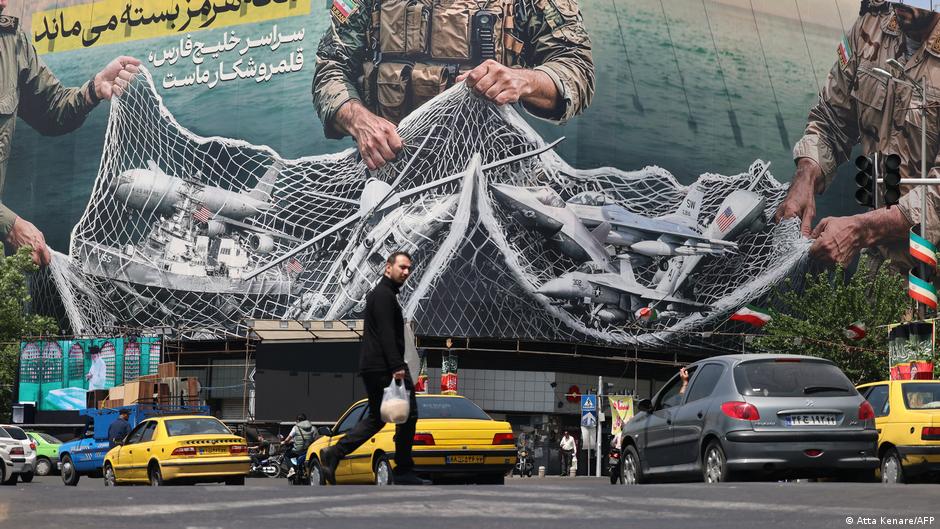
Iran has formally presented the United States with a detailed 14-point peace proposal outlining its key conditions for ending the ongoing military conflict in the Middle East. The move follows an earlier U.S. offer consisting of nine points, emphasizing a two-month ceasefire. Tehran’s response shifts focus from merely extending a ceasefire toward achieving a full resolution within one month.
Key Components of Iran’s Peace Proposal
The Iranian plan demands several significant concessions from Washington including:
- Guarantees against future attacks on Iranian territory
- Complete withdrawal of U.S. troops from border regions
- End to the U.S.-led naval blockade of Iranian ports and waters
- Unfreezing of Iranian financial assets currently under sanctions
- Payment of reparations for wartime damages incurred
- Cancellation of all sanctions tied to the conflict
- Immediate cessation of hostilities in the region, including Israeli military actions in Lebanon
- Creation of a new operational framework governing the strategically vital Strait of Hormuz
This comprehensive approach signifies Iran’s intent to link multiple geopolitical issues to the conflict’s resolution, expanding beyond a simple ceasefire to shape future regional security arrangements.
“The emphasis must not be on extending a ceasefire but on ending the war,” Iranian sources stated in response to the U.S. proposal.
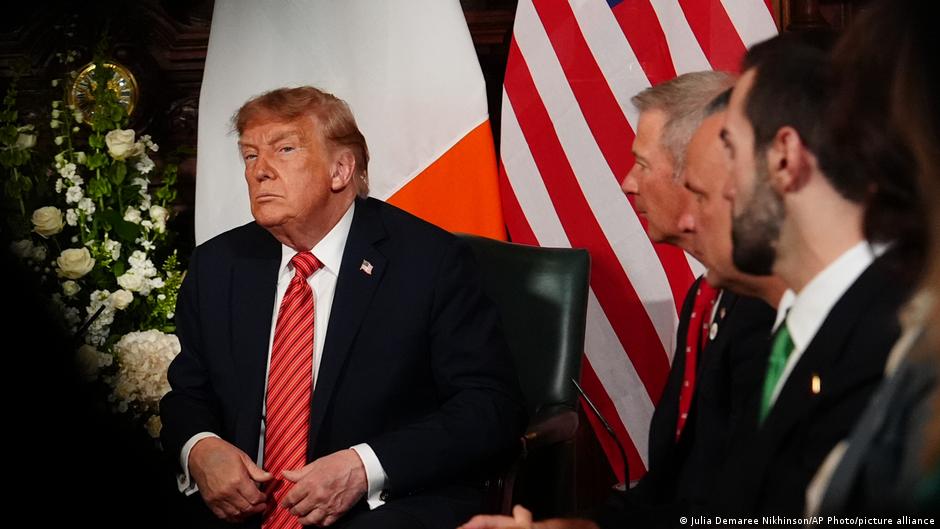
Despite Tehran’s thoroughness, U.S. President Donald Trump has expressed skepticism regarding the proposal’s viability. While confirming receipt of the plan, Trump indicated he doubted its acceptability, citing Iran’s historical actions over the past 47 years as a barrier to agreement.
Strategic and Political Implications for U.S. Policy
Since the conflict began on February 28, 2026, with coordinated U.S. and Israeli strikes inside Iran, the region has seen escalating retaliations from Tehran targeting Israel, Gulf states, and U.S. military installations. Although a ceasefire took effect in early April, progress toward a lasting resolution has stalled. A singular negotiation session in Pakistan on April 11 ended without agreement.
The Strait of Hormuz remains effectively under Iranian military control, while the U.S. maintains a maritime blockade. President Trump's recent correspondence to Congress officially declared the cessation of active hostilities, coinciding with the expiration of a 60-day authorization for military action under the 1973 War Powers Resolution. However, the letter also underscored that the threat posed by Iran remains significant, signaling the conflict's deeper complexities.
Additionally, reports indicate Trump has directed preparations for a potentially prolonged naval blockade aimed at economically isolating Iran by restricting its oil exports.
For American business leaders and defense strategists, these developments underscore a delicate balancing act between military engagement, diplomatic negotiation, and economic leverage. The U.S. administration’s response will have significant implications for regional stability, global energy markets, and the strategic posture of U.S. forces abroad.