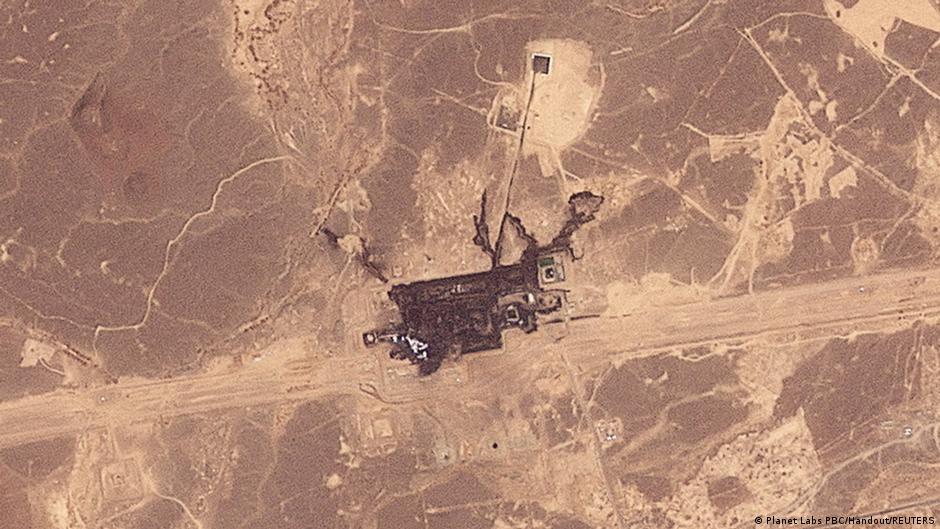
Russian Military Strikes Multiple Ukrainian Regions in Overnight Drone Attacks
Russian forces launched coordinated drone and missile strikes on Ukraine’s energy and civilian infrastructure in several regions overnight.
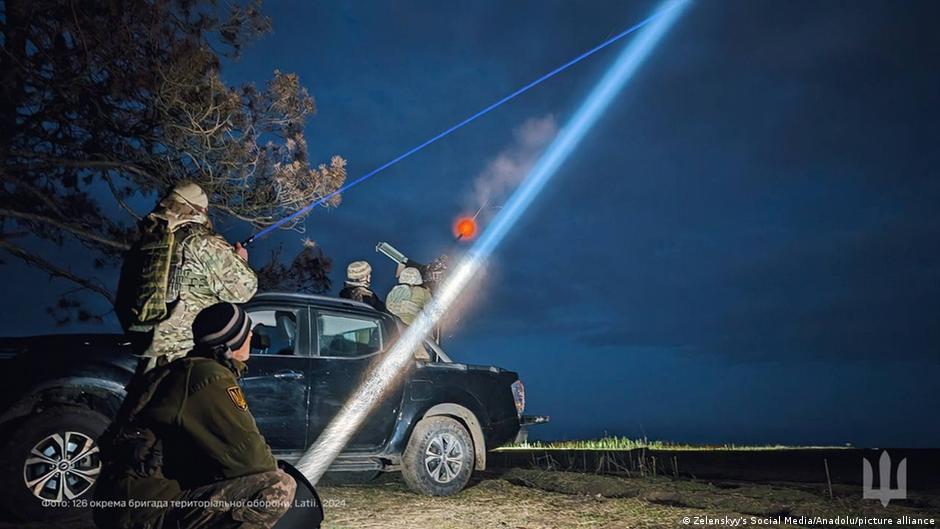
In a renewed escalation of hostilities, Russian military forces conducted multiple attacks across various Ukrainian regions during the night of May 1 to May 2, targeting both critical infrastructure and civilian areas. Ukrainian authorities reported strikes in Nikolaev, Kharkiv, Kherson, Sumy, and other locations, reflecting a broad offensive utilizing unmanned aerial vehicles (UAVs), including Shahed drones.
Impact on Energy Infrastructure and Civilian Areas
Vitaliy Kim, head of the Nikolaev Regional Military Administration, reported a drone strike targeting the city’s energy infrastructure. Fortunately, no casualties were reported at this site, but the attack underscores the strategic focus on disrupting energy supplies.
In Kharkiv, a Shahed UAV hit the 12th floor of a residential building in the Shevchenkivskyi district. According to Mayor Ihor Terekhov, a civilian sustained shrapnel wounds to the chest. Fortunately, the drone failed to detonate, preventing more severe consequences.
Explosions were also reported repeatedly in Sumy and Kherson. Ukrainian Air Force sources indicated that attack drones continued to advance towards Chernihiv, Zaporizhzhia, Odessa, and Odessa Oblast, demonstrating the breadth of the Russian drone campaign.
"The air defense forces acted very effectively—most enemy UAVs were shot down, and damage was minimal," said local authorities in Izmail, where port infrastructure was targeted.
Izmail, a key port city, was among the targets. Local administrations credited air defense units with successfully neutralizing the majority of the incoming drones, limiting damage to infrastructure.
Human Toll and Regional Effects
Western Ukraine’s city of Ternopil experienced a particularly heavy drone attack, with over 50 Shahed drones deployed. More than 20 detonated, resulting in at least 12 injuries, according to Sergey Zyubenko, head of the Ternopil police.
In the Dnipropetrovsk region, Russian strikes focused on the Nikopol and Kryvyi Rih districts, with approximately 50 attacks reported within 24 hours. Four people were injured, including two women aged 43 and 50 who were hospitalized with moderate injuries. Two others are receiving outpatient treatment, as detailed by regional military administrator Oleksandr Hanzha.
These attacks highlight the persistent use of UAVs by Russian forces as a tactical measure to degrade both military and civilian assets, complicating Ukrainian defense strategies and placing additional strain on regional emergency response resources.
For American business leaders and defense industry executives, the evolving use of drone warfare in this conflict illustrates significant shifts in modern military strategy and underlines the need for advanced counter-UAV technologies. Corporate boards operating in aerospace, cybersecurity, and energy sectors may find critical insights in how government and private sector collaborations adapt to these emerging threats.