Canada Weighs Joining EU’s Ukraine Loan as Carney Recasts Ottawa’s Strategy
Ottawa is negotiating a role in the European Union’s €90 billion Ukraine loan program ahead of an EU-Canada summit in Montreal.
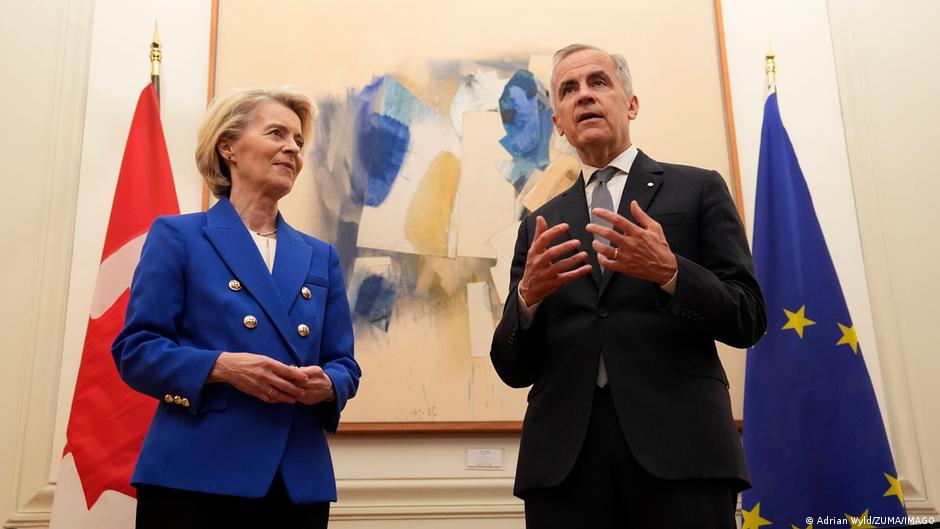
Canada is seeking to join the European Union’s €90 billion loan program for Ukraine, a move that would extend Ottawa’s financial role in Kyiv’s defense while advancing Prime Minister Mark Carney’s broader effort to reposition Canadian foreign and economic policy around deeper transatlantic ties.
According to the Financial Times, which cited people familiar with the matter, Canada and the European side are aiming to agree on the size of Ottawa’s contribution before the EU-Canada summit scheduled for late October in Montreal. The talks would make Canada only the second non-EU country to participate in the credit facility, after the United Kingdom.
For Carney, the prospective contribution is more than another Ukraine package. It is an executive-level strategic signal to European capitals that Canada intends to be a more active partner in the architecture of Western security, trade and technology policy. The Canadian prime minister is seeking to demonstrate a commitment to strengthening transatlantic links as part of a wider bid to reduce Canada’s dependence on the United States.
Canada and the EU are seeking to settle the scale of Ottawa’s contribution before the late-October summit in Montreal.
A Strategic Bet on Europe
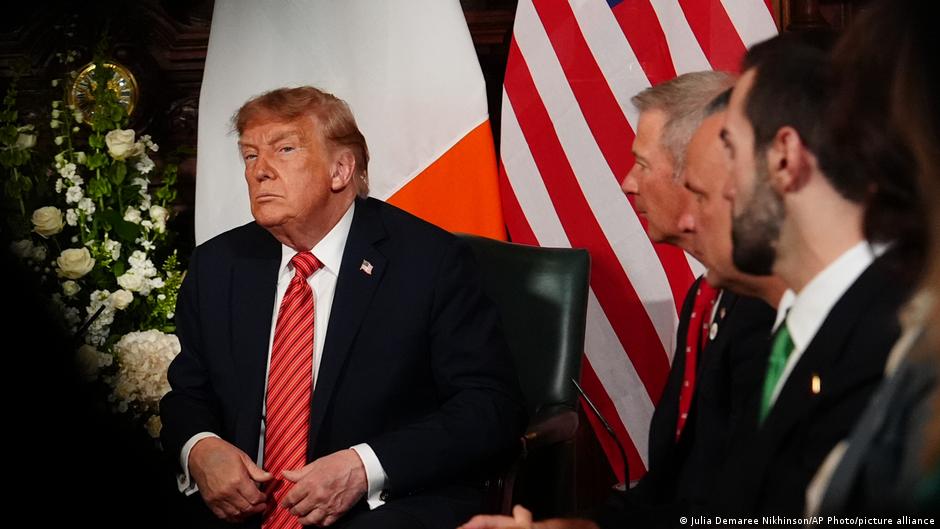
The discussions come as Ottawa looks for support in a trade conflict with the United States and tries to broaden its economic options. The Financial Times described Carney’s idea as the creation of an alliance of liberal powers committed to the multilateral order, which it said was disrupted by U.S. President Donald Trump.
That framing gives the loan talks a boardroom dimension beyond foreign aid. For Canadian policymakers and corporate leaders, a closer relationship with Brussels could help diversify strategic exposure at a time when access to the U.S. market is politically less predictable. Participation in a major EU-led Ukraine credit program would place Canada alongside Europe in a long-term financing mechanism and could strengthen Ottawa’s standing as it pursues parallel agreements with the bloc.
The timing is notable. On September 10, Carney and Ukrainian President Volodymyr Zelensky signed a declaration on a 100-year partnership that includes cooperation in defense innovation. Ottawa has already allocated 6.5 billion Canadian dollars in military aid to Ukraine, equivalent to about $4.7 billion. Joining the EU loan program would add another channel of support and signal that Canada’s Ukraine policy is being integrated with a wider industrial, defense and diplomatic strategy.
Implications for Ottawa’s Corporate Agenda
The EU-Canada summit in Montreal is expected to serve as a venue for more than Ukraine financing. Canada is also hoping to secure other agreements with the European Union, including joining the EU’s supercomputer network for joint work on artificial intelligence and signing a digital trade agreement with Brussels, according to the Financial Times.
Those potential deals matter for Canadian companies and investors because they point to a larger policy reorientation. Access to European supercomputing infrastructure could support artificial intelligence research and development partnerships, while a digital trade agreement could shape cross-border rules for data, services and technology commerce. For executives, the practical question is whether Ottawa’s diplomatic pivot can translate into market access, regulatory clarity and new channels for capital and innovation.
The Ukraine loan discussions therefore sit at the intersection of national security and corporate strategy. A Canadian contribution would reinforce Kyiv’s financing base while also giving Ottawa a seat closer to EU decision-making on one of Europe’s central security priorities. In return, Canada may gain leverage in talks over technology cooperation and digital commerce, areas where governments increasingly define the operating environment for private-sector investment.
The fact that the United Kingdom is currently the only non-EU country attached to the loan underscores the political weight of Canada’s possible entry. London’s participation already gives the program a wider transatlantic profile. Ottawa’s involvement would broaden that profile further and could help Carney present Canada as a bridge between Europe and North America at a moment when the U.S. relationship is under strain.
Boardroom Risks and Diplomatic Rewards
The scale of Canada’s potential contribution has not yet been agreed, and that number will be closely watched. A larger commitment would strengthen the diplomatic message but could attract scrutiny at home over fiscal priorities, defense spending and the expected returns from closer EU alignment. A smaller contribution might still carry symbolic value but offer less leverage in negotiations with Brussels.
For corporate Canada, the issue is not only the amount of financing directed to Ukraine. It is whether Carney’s government can turn strategic alignment with Europe into durable commercial channels. The intended package of cooperation with the EU, spanning Ukraine finance, artificial intelligence infrastructure and digital trade, suggests an attempt to link foreign policy credibility with economic diversification.
That is a high-level management challenge for Ottawa: balancing immediate geopolitical commitments with longer-term efforts to reduce reliance on the United States. If the loan talks conclude before the late-October summit, Carney will arrive in Montreal with a concrete example of Canada’s willingness to invest in Europe’s security agenda. The broader test will be whether European partners respond with agreements that give Canadian businesses a clearer role in the bloc’s technology and trade ecosystem.
For now, the negotiations mark a significant step in Canada’s attempt to recast its international posture. Ukraine remains the immediate beneficiary of the proposed financing. But the strategic audience also includes Brussels, Washington and Canadian boardrooms assessing how far Ottawa is prepared to go in building a more diversified transatlantic future.