US Plans Significant Reduction of Military Presence in Germany Amid Strategic Realignments
President Trump announces cuts exceeding 5,000 troops in Germany, signaling shifts in US military strategy and alliance dynamics.
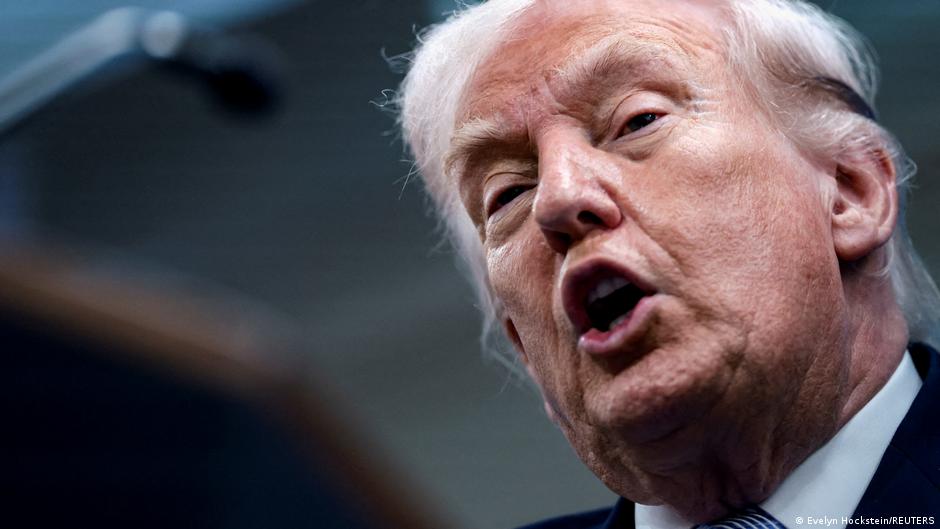
The United States is preparing to substantially reduce its military footprint in Germany, with troop withdrawals expected to exceed an initial figure of 5,000 personnel. This development signals a significant shift in American defense strategy in Europe and raises questions about the future of transatlantic security cooperation.
Expanded Troop Withdrawal and Strategic Implications
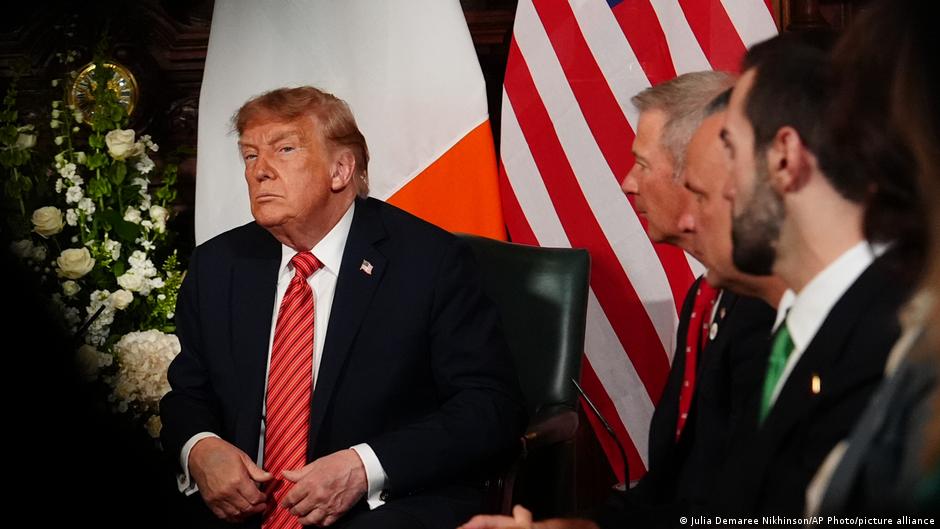
Earlier directives from the US Department of Defense mandated the removal of approximately 5,000 soldiers from Germany, representing about one-seventh of the total US military presence in the country. However, President Donald Trump, speaking in Florida on the night of May 3, 2026, indicated plans for even greater reductions.
"We will be reducing troop numbers by a significantly larger margin, much more than 5,000 American soldiers," Trump stated, emphasizing a decisive realignment of US forces stationed in Germany. Beyond Germany, the President also threatened similar troop withdrawals from Spain and Italy, expressing dissatisfaction with the support of these NATO allies in the ongoing US and Israeli conflict with Iran.
"Italy did not help us at all, and Spain was terrible, absolutely terrible," Trump said, highlighting his discontent with alliance solidarity amid regional tensions.
This announcement follows tensions between Trump and German Chancellor Friedrich Merz, who criticized the US for lacking a coherent strategy against Iran. Trump retorted by accusing Merz of supporting Iran's nuclear ambitions, underscoring the strain in transatlantic relations.
NATO Response and Broader Military Context
NATO spokesperson Allison Hart acknowledged the alliance's ongoing dialogue with the United States to understand the details of the troop reductions. "We remain confident in our ability to provide deterrence and defense as this transition toward a stronger Europe within a stronger NATO continues," Hart said via social media on May 2.
The Pentagon, through spokesman Sean Parnell, confirmed that the drawdown plan is expected to unfold over the next six to twelve months following a thorough review of US military deployments in Europe. Current data indicates that as of December 2025, there were approximately 68,000 US troops stationed across European bases, with about 36,400 of those in Germany alone. The US operates roughly 20 military installations in Germany, primarily located in the southern and southwestern regions.
For historical perspective, during the peak of the Cold War in 1985, the US maintained a force of about 250,000 soldiers in Germany. This new reduction reflects shifting strategic priorities and changing geopolitical landscapes.
Executive Decisions and Congressional Constraints
The troop reduction plan is part of President Trump's broader strategy to recalibrate US military commitments abroad. However, past attempts to scale back forces in Europe during his first term were met with resistance, and troop levels in Germany actually increased at that time.
High-ranking officials have indicated that internal deliberations continue over the scope of troop withdrawals, but Congressional restrictions pose significant hurdles to unilateral executive action in this domain. The tension between executive ambitions and legislative limitations underscores the complex governance challenges in conducting large-scale military realignments.
As the US reevaluates its European force posture, the business and defense sectors will be closely monitoring the implications for defense contractors, military infrastructure investments, and alliance management strategies.