Ifo Institute Warns of German Recession Risk Amid U.S. Auto Tariff Hike
Germany faces recession risks in 2026 if EU retaliates against U.S. auto tariffs, says ifo Munich economic research institute.
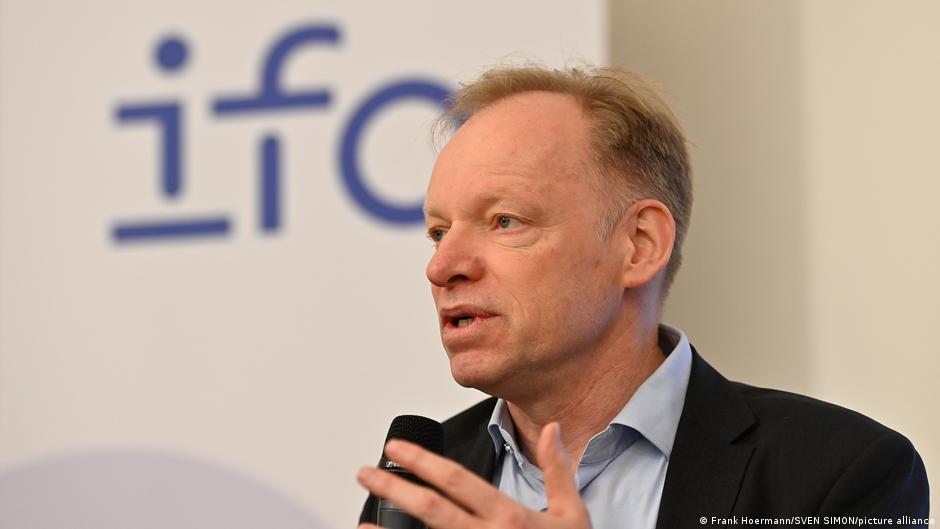
The recent announcement by U.S. President Donald Trump to raise import tariffs on European Union automobiles to 25% has triggered urgent warnings from Germany's ifo Institute about potential economic downturns. The Munich-based economic research center cautions that retaliatory tariffs from the EU could drive Germany into recession as soon as 2026.
Implications for German Industry and Economy
The ifo Institute's president, Clemens Fuest, highlighted that the U.S. tariff escalation will exacerbate the challenges already facing the German automotive sector. "If this leads to a new trade war, Germany faces a recession in 2026," Fuest commented.
"The announced tariff increase will hit the German automobile industry in an already difficult situation," Clemens Fuest said.
Jens Südekum, advisor to Germany's Finance Minister Lars Klingbeil, advised a cautious approach from the EU. Speaking to the media, he urged that the EU wait to confirm the actual enforcement of the tariff hikes before implementing any retaliatory measures, recommending "appropriate responses" only if tariffs are officially applied.
Germany holds a significant share of the EU's automobile exports to the U.S., making the 25% duty increase a direct threat to its industrial exports. German automotive expert Ferdinand Dudenhöffer characterized the tariff hike as "the beginning of an economic war against Germany." This heightened trade tension follows a series of contentious statements between German political figures and the White House.
Background of the Tariff Dispute
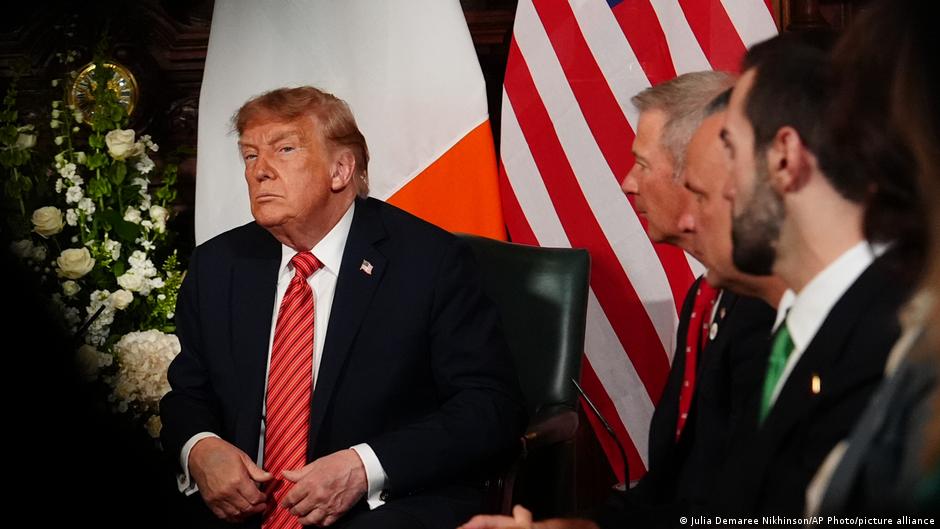
On May 1, 2026, President Trump announced the tariff increase citing non-compliance by the EU with previously agreed trade terms. The tariffs specifically target passenger and commercial vehicles imported from the EU but exempt vehicles manufactured within the U.S. The precise clauses Trump referenced to justify the tariffs remain unclear.
Previously, in September 2025, the EU and U.S. had reached a comprehensive trade agreement that retroactively reduced tariffs on European car exports from 27.5% to 15%. In exchange, the EU agreed to eliminate tariffs on American industrial goods and open its markets to a broad range of U.S. products, including seafood, dairy, pork, and soybean oil.
The trade imbalance has long been a point of contention. Trump has criticized the EU for running a significant goods trade surplus with the U.S., whereas the EU counters by highlighting America’s strong position in the services trade sector, where the U.S. holds major advantages.
Political Context and Broader Consequences
The tariff announcement closely followed sharp criticism from Trump directed at Germany’s Chancellor Friedrich Merz. On April 30, Trump urged Merz to focus on resolving the Ukraine conflict rather than interfering in U.S. policy toward Iran. Trump also advised Merz to "put his country in order," referencing internal German challenges.
Merz had earlier condemned Trump’s lack of a coherent strategy concerning the U.S. and Israel’s stance on Iran, calling for an end to military activities that he said are adversely affecting Germany’s economy.
These developments not only jeopardize Germany’s export-driven economy but also underscore heightened geopolitical tensions affecting transatlantic relations. Corporate leaders and boardrooms across German industry are now faced with navigating increased uncertainty in global trade dynamics, necessitating revised risk assessments and strategic planning to mitigate potential recession impacts.