Iran Restores Missile Stockpile Potentially with Russian Assistance Amid Ongoing Tensions
Intelligence reports indicate Iran replenished missile arsenal during ceasefire, possibly receiving recent Russian missile supplies.
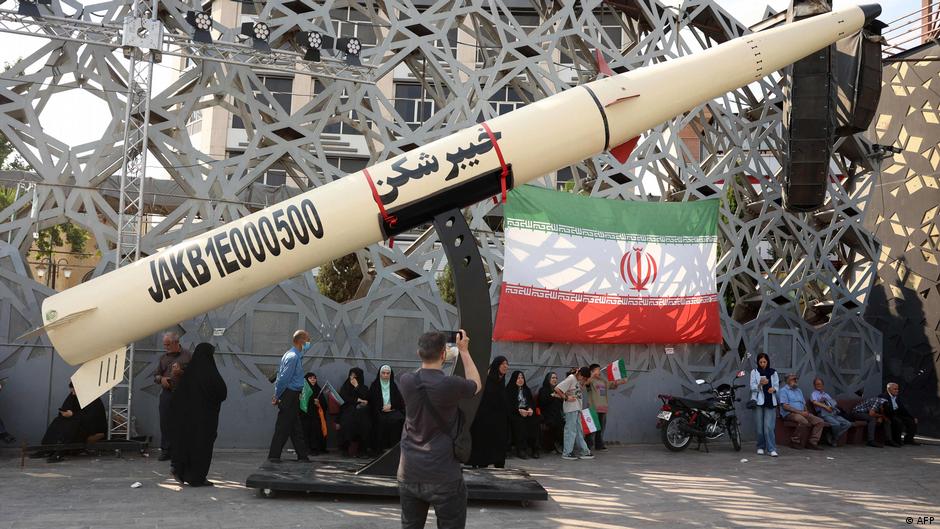
Recent intelligence assessments reveal that Iran has managed to restore a significant portion of its missile arsenal during an eight-week ceasefire with the United States, possibly aided by fresh missile deliveries from Russia. This development carries important implications for U.S. strategic considerations and regional security dynamics in the Middle East.
Ceasefire as Strategic Respite for Iran’s Arsenal Replenishment
According to multiple Western intelligence sources, Iran’s missile inventory has not experienced a critical depletion since March despite ongoing hostilities. During the ceasefire period, Iran reportedly leveraged the operational lull to rebuild and augment its stockpile, ensuring it retains sufficient firepower to mount a near full-scale retaliatory strike if combat resumes.
Notably, the arsenal is believed to include a significant quantity of Russian-made missiles, likely produced within the last year. These deliveries, if confirmed, suggest a deepening of military collaboration between Tehran and Moscow, with Russia potentially providing cutting-edge missile technology amid the strained geopolitical landscape.
“Iran has utilized the ceasefire period to restore its missile capabilities substantially, maintaining around 75% of its pre-escalation ammunition levels, including recent Russian missile stock,” intelligence sources indicated.
When approached for comment, Russian Defense Ministry officials did not respond, underscoring the sensitivity surrounding military support disclosures.
U.S. Strategic and Diplomatic Challenges Ahead
U.S. President Donald Trump recently stated that Iran's missile stocks had diminished to approximately 21-22% of their pre-conflict levels, a figure that contrasts sharply with intelligence estimates indicating a more robust restoration. Earlier in March, during peak hostilities, U.S. intelligence had estimated Iran's missile reserves at about 60% of their original volume.
Despite successful strikes that reportedly destroyed many Iranian ballistic missile launchers—some buried beneath rubble in underground storage facilities—Iran appears to have efficiently cleared access to these caches and redistributed munitions to other locations, complicating further U.S. military operations.
Experts such as Kelly Grico, a senior fellow at the Stimson Center, emphasize that Iran's capacity to assemble inexpensive Shahed UAVs remains intact, allowing for frequent unmanned aerial vehicle strikes over missile launches. The ongoing availability of a sizable missile arsenal presents a complex calculus for U.S. policymakers debating the merits and risks of resuming military strikes.
Mixed Signals on Peace Agreement Prospects
Amid these military developments, diplomatic efforts remain inconclusive. President Trump announced plans to sign a peace agreement with Iran on June 14, coinciding with his 80th birthday. He suggested that such a deal would lead to the reopening of the strategically vital Strait of Hormuz, alleviating a global fuel crisis triggered by its blockade.
However, Iranian officials have dismissed expectations of a peace deal by this date, with the Iranian Foreign Ministry spokesperson clarifying that the signing timeline remains undetermined. Since the conflict began, President Trump has repeatedly indicated that a peace agreement was imminent, though such statements have not yet materialized into concrete outcomes. Negotiations reportedly continue, but inconsistencies between U.S. and Iranian communications persist, reflecting ongoing diplomatic complexity.
For U.S. executives and policymakers, these developments underscore the intricate balance between military readiness, diplomatic negotiation, and regional stability. Russia’s potential role in replenishing Iranian missile capabilities signals a notable escalation in military supply dynamics, which may influence future strategic decisions and risk assessments within the defense and energy sectors.