US Intelligence Warns Israeli PM Netanyahu May Disrupt US-Iran Deal Amid Regional Security Concerns
Israeli opposition to the US-Iran agreement centers on Hezbollah conflict and domestic political considerations ahead of 2026 elections.
US intelligence agencies have alerted the Trump administration that Israeli Prime Minister Benjamin Netanyahu is likely to attempt to undermine the recently signed long-term memorandum of understanding between Washington and Tehran. The warning highlights Israel’s dissatisfaction with the deal’s terms, which they believe could compromise their national security interests, particularly regarding Hezbollah.
Strategic and Political Drivers Behind Israel’s Stance
The intelligence assessment indicates that Israel intends to maintain military operations against Hezbollah, the Iran-backed Lebanese Shiite militant group, despite the memorandum’s call for a cessation of hostilities. This military posture contradicts Iran's demands for a freeze on such actions as a prerequisite for further negotiations with the US.
"Israel views the agreement as a rollback of the 'maximum pressure' campaign on Iran, potentially limiting its ability to defend against Hezbollah threats," the intelligence report concluded.
From Tel Aviv’s perspective, the agreement signed on June 17 appears to relax sanctions and restrictions on Tehran, a move perceived as weakening the pressure that Israel counts on to curb Iran’s regional influence. This perception is compounded by the domestic political context: Netanyahu, preparing for parliamentary elections in the fall of 2026, recognizes that a significant majority of the Israeli Jewish population supports aggressive measures against Hezbollah. A May survey by the Institute for National Security Studies found that 70% of Israeli Jews favor intensifying efforts against the militant group.
Public sentiment in Israel suggests that any ceasefire or withdrawal of the Israel Defense Forces (IDF) from southern Lebanon would be viewed as a political defeat for Netanyahu, undermining his electoral prospects. These dynamics place Netanyahu in a position where opposing the US-Iran agreement aligns with both security priorities and political survival.
Mechanisms and Potential Disruption Tactics
According to reports, Netanyahu may exert pressure on President Trump to derail the deal. Sources indicate that Netanyahu doubts the feasibility of a final agreement, citing Tehran’s unwillingness to impose meaningful limits on its nuclear program. To influence US policy, Netanyahu is reportedly mobilizing right-wing media, pro-Israel American senators, and social media advocates to build opposition within the United States.
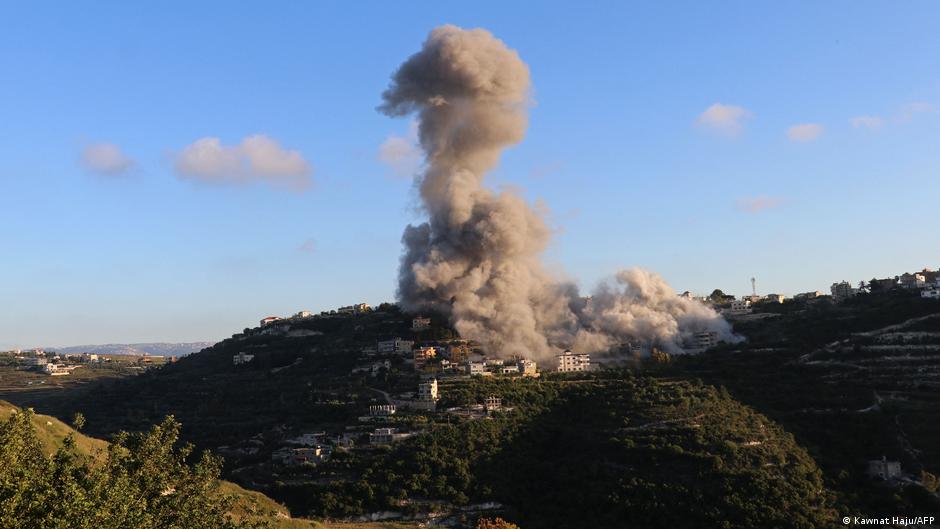
Despite a reported ceasefire agreement reached between Israel and Hezbollah on June 19, Israeli military sources have stated that the IDF will maintain its presence in southern Lebanon. Meanwhile, Lebanese authorities accuse Israeli forces of violating the truce by conducting strikes after the ceasefire commenced, an allegation that Israeli officials have not confirmed.
The cessation of hostilities across all fronts, including Lebanon, is a key provision of the memorandum aimed at halting the conflict initiated by the US and Israel against Iran on February 28. The agreement initiates a 60-day negotiation period to finalize a comprehensive peace accord.
However, fighting in Lebanon persisted after the memorandum’s signing, leading to the postponement of planned negotiations between US and Iranian delegations in Switzerland on June 19. Swiss hosts had initially expected participation not only from the US and Iran but also from intermediary countries such as Qatar and Pakistan.
Iranian negotiators have conditioned the resumption of talks on tangible US compliance with the memorandum's terms. President Trump responded to the delay on social media, asserting that the US is not desperate for negotiations and reaffirming a hardline stance, stating that Iran will not receive financial relief during the 60-day negotiation window.
Implications for US Corporate and Geopolitical Strategy
The tensions surrounding the US-Iran agreement underscore the intricate balance of executive decisions, geopolitical strategy, and domestic political pressures affecting international diplomacy. For American businesses and investors, the outcome of these negotiations carries significant implications.
Prolonged uncertainty and potential disruption could impact sectors reliant on Middle Eastern stability, including energy markets, defense contractors, and multinational corporations with exposure to sanctions regimes. Executive leadership teams must closely monitor developments, as shifts in US foreign policy could dictate compliance requirements, risk assessments, and strategic investment decisions.
Moreover, the influence of allied governments and their political agendas on US diplomacy illustrates the necessity for corporate boards to incorporate geopolitical risk analysis into broader governance frameworks. Understanding the interplay between international negotiations and domestic political calculations in allied nations like Israel is crucial for anticipating policy shifts and safeguarding stakeholder value.