US Special Envoy Whitkoff Travels to Switzerland for Crucial Iran Nuclear Talks
Whitkoff leads high-stakes negotiations amid regional conflict and delayed diplomacy between Washington and Tehran.
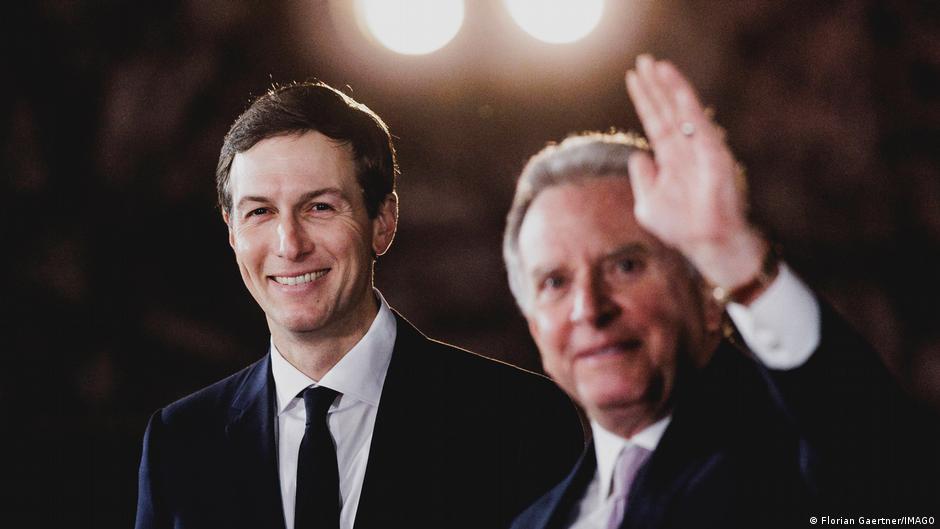
Steven Whitkoff, the US President's special envoy, has departed for Switzerland to engage in critical negotiations with Iranian delegates concerning the nuclear agreement, according to reports. Initially scheduled for June 19, the talks were postponed due to ongoing regional hostilities.
Whitkoff’s arrival marks the beginning of the first round of direct discussions aimed at reviving the stalled nuclear deal between the United States and Iran. Jared Kushner, son-in-law of former President Donald Trump and a White House representative, is reportedly already present in Switzerland, underscoring the meeting's high-profile diplomatic weight.
Strategic Mediation and Regional Stability
The involvement of Sheikh Mohammed bin Abdulrahman Al Thani, Qatar's Prime Minister and a pivotal mediator between the US and Iran, illustrates the multilayered approach to these negotiations. The Iranian Foreign Minister Abbas Araghchi was slated to arrive on June 20, although his attendance remains uncertain amid shifting circumstances.
"Iran emphasizes the critical importance of a ceasefire in Lebanon before commencing formal talks," a source close to the discussions revealed.
This emphasis on regional de-escalation reflects Tehran's demand for a stable environment as a precondition for meaningful dialogue. The escalation of clashes in southern Lebanon between Israeli forces and Hezbollah, an Iran-backed militant group, complicated diplomatic efforts and prompted the postponement of the meeting.
Originally, the negotiations aimed to secure a memorandum of understanding (MoU) that would set a 60-day framework for finalizing a peace agreement, contingent on an immediate ceasefire across all fronts, including Lebanon. However, persistent violence delayed this process, highlighting the intertwined nature of regional security and nuclear diplomacy.
Despite the postponement, a remote signing of the initial document occurred on June 17, signaling commitment but also underscoring the challenges of convening in person amid ongoing conflict.
Switzerland had prepared to host not only the US and Iranian delegations but also intermediary states such as Qatar and Pakistan, emphasizing a multilateral approach. Yet, US Vice President David James Vance declined participation, casting uncertainty on US executive engagement in the talks.
Implications for US-Iran Relations and Corporate Stakeholders
President Donald Trump publicly attributed the delay to Iran, accusing Tehran of acting out of desperation and warning that the US would strictly control the terms of the impending negotiations, particularly regarding financial arrangements. The contested memorandum reportedly includes a provision for a $300 billion investment fund to aid Iran's reconstruction, alongside the unblocking of $24 billion in Iranian assets.
For US businesses and international investors, the outcome of these negotiations could open or restrict access to lucrative reconstruction contracts and energy markets. The potential thaw in relations might encourage corporate strategies focusing on re-engagement with the Iranian economy, while continued hostilities and diplomatic uncertainty warrant caution.
Executives within multinational corporations should monitor these developments closely, assessing risks related to geopolitical instability and sanctions regimes. Boardrooms may need to revisit contingency plans in sectors such as energy, infrastructure, and finance depending on the trajectory of US-Iran dialogue and regional security dynamics.
As the US envoy Whitkoff leads this complex diplomatic effort, the interplay between executive decisions in Washington and Tehran will hold significant consequences for international business strategies and regional geopolitical stability.