Russian and Ukrainian Forces Conduct Troop Rotations Amid May 9 Ceasefire
Both Russia and Ukraine utilize the May 9 ceasefire window for troop rotations and logistical preparations despite ongoing tensions.
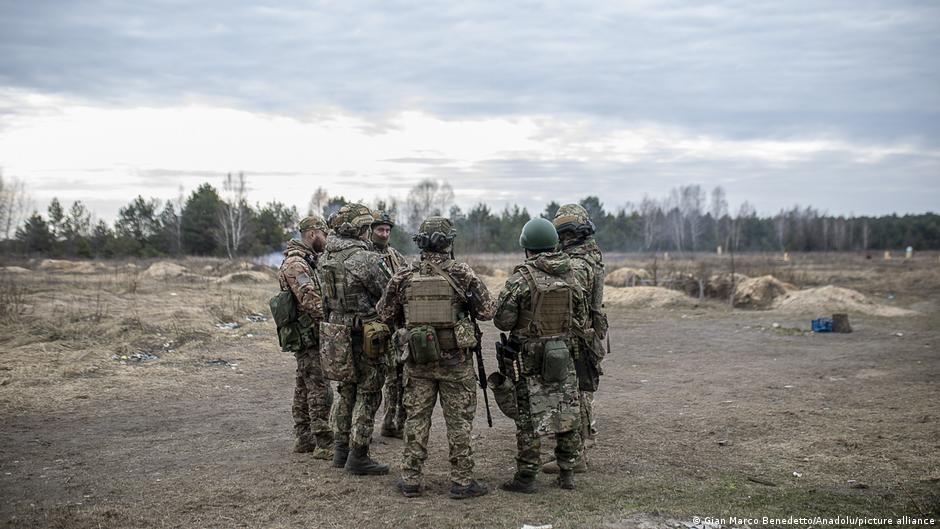
During the temporary ceasefire announced for May 9, both Russian and Ukrainian military forces are actively engaged in rotating troops and bolstering their operational capabilities rather than fully halting combat activities. This development highlights the strategic use of ceasefire periods by both sides to prepare for potential escalations in the ongoing conflict.
Ceasefire as a Strategic Pause
On the evening of May 8, then U.S. President Donald Trump declared that Russia and Ukraine had agreed to a three-day ceasefire from May 9 to May 11. The ceasefire was proposed to not only cease hostilities but also facilitate a prisoner exchange under a "1000 for 1000" formula. However, the ceasefire appears to function more as a tactical pause than a definitive end to fighting.
"They are indeed quiet for the moment, taking this pause to rotate forces, supply reinforcements, and prepare the renewal of their offensive capabilities," stated Viktor Tregubov, spokesperson for the Ukrainian Joint Forces, on May 9 during a televised broadcast.
According to Tregubov, the Ukrainian military is similarly leveraging this ceasefire period to manage troop rotations and improve logistical arrangements, signaling both sides’ intent to maintain operational readiness.
Challenges in Implementing the Prisoner Exchange
The prisoner exchange component of the ceasefire remains contentious. Russian President Vladimir Putin cast doubt on the feasibility of the exchange, accusing Ukrainian authorities of reluctance. Putin stated that Russia had submitted a list of 500 Ukrainian servicemen for exchange on May 5, but Ukraine reportedly indicated it was not prepared to proceed with the swap based on this list.
Yuri Ushakov, an aide to President Putin, later clarified that lists of prisoners are still being compiled, and a genuine exchange can only occur after identifying real individuals and reaching mutual agreements. Ushakov also signaled that full-scale hostilities would resume after the ceasefire concludes on May 11.
Continued Hostilities Despite Ceasefire
Despite the declared ceasefire, neither side has completely ceased military operations. The Russian Ministry of Defense accused Ukrainian forces of conducting drone attacks and attempting assaults on Russian positions in territories controlled by Russia within Ukraine.
Meanwhile, the Ukrainian General Staff reported that Russian forces conducted 121 attacks from midnight to 10 p.m. on May 9 alone, including shelling border regions such as Sumy Oblast. Affected settlements include Rogoznoe, Volfino, Korenek, Atinskoe, Ulanovo, and Kucherovka.
Furthermore, Ukrainian forces assert that Russian attacks also continued on May 8 despite Russia’s unilateral ceasefire declaration, underscoring the fragile and complex nature of the truce.
Boardroom and Strategic Implications
This temporary ceasefire and its tactical use by both sides raise important considerations for defense planners and corporate executives involved in geopolitical risk assessment. The ceasefire period does not equate to de-escalation but rather facilitates repositioning and readiness for renewed offensive operations. Businesses with exposure in the region or supply chains dependent on regional stability must recognize the potential volatility post-May 11.
Strategic decision-makers should monitor developments closely, especially regarding the prisoner exchange negotiations, which may serve as a diplomatic barometer for future conflict dynamics. The partial and uneven adherence to ceasefire conditions signal persistent risks that could impact investment environments, energy markets, and logistics networks.