Poland Signs Controversial €44 Billion EU Loan Agreement for Defense Modernization
Poland secures a €43.7 billion loan from the EU's Security Action for Europe program despite presidential opposition.
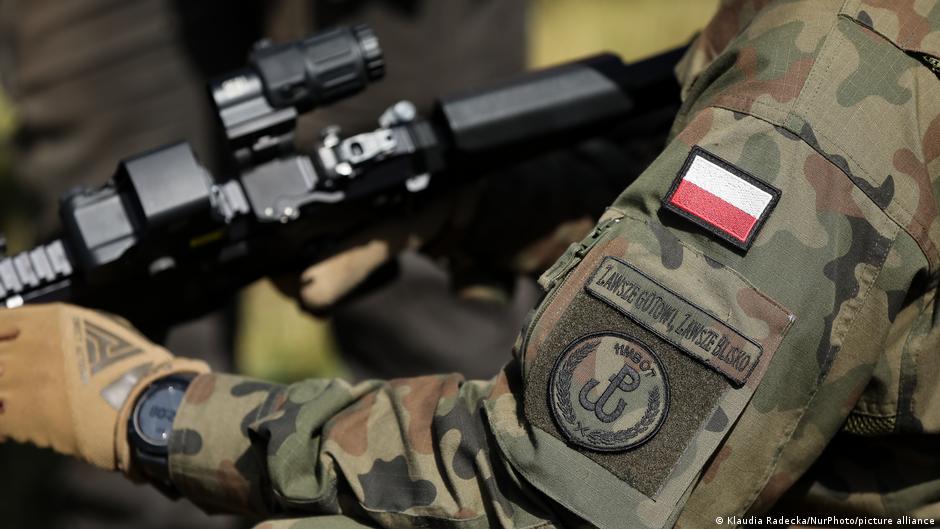
Poland has formalized a significant loan agreement with the European Union, enabling it to access nearly €44 billion for defense modernization under the EU’s Security Action for Europe (SAFE) program. This move comes despite earlier opposition from the Polish president, Karol Nawrocki, who had vetoed Poland’s participation in the initiative.
Strategic Investment in National Defense and Industry
As the first EU member state to sign such an agreement under SAFE, Poland is set to receive approximately €43.7 billion, representing nearly one-third of the program’s €150 billion budget allocated across all EU nations. This loan aims to finance comprehensive upgrades across Poland’s armed forces, including acquisitions of modern military equipment and enhancements to cybersecurity capabilities.
The signing ceremony, held on May 8, saw the participation of key figures such as Poland’s Minister of Defense Vladislav Kosiniak-Kamysz, Minister of Finance Andrzej Domański, representatives from the State National Economy Bank, and EU commissioners for defense and budget, Andrius Kubilius and Petr Serafin respectively.
“No other member state will invest such a substantial amount into its defense industry,” emphasized Prime Minister Donald Tusk, underscoring the scale of Poland's commitment to strengthening its defense sector and industrial base.
According to Tusk, 89% of the loaned funds will be funneled to Polish defense companies and their partners, enabling local industry expansion and innovation. Minister Kosiniak-Kamysz highlighted that the investment will cover all branches of the armed forces, ensuring widespread modernization. Part of the funding will also be devoted to cybersecurity improvements, addressing contemporary security threats.
Phased Disbursement and Accountability Measures
The initial tranche of €6.5 billion is expected to be released within days of the agreement’s signing. By the end of May, the government anticipates signing around 40 contracts related to the program, according to government representative Magdalena Sobkowiak-Charnecka. These contracts will establish production capabilities targeted for completion by 2030.
SAFE funds will be distributed biannually in October and April, with subsequent disbursements contingent upon Poland’s reporting on the progress of previously funded defense projects to the European Commission. Notably, Poland is granted a grace period of 10 years post-agreement during which repayment of the principal is not required.
Political Controversy and Strategic Implications
The decision to proceed with the loan was contentious, coming just under two months after President Nawrocki’s veto in mid-March. He criticized the program as a "massive external loan" that Poland would need to repay over 45 years, potentially incurring interest costs up to 180 billion zlotys (approximately €41 billion). Despite the veto, the government clarified that it did not block the agreement’s signing but restricted the use of funds exclusively for military purposes.
Following the signing, Prime Minister Tusk indicated that the government intends to extend financing beyond the military, potentially supporting border guards, fire services, and police forces as well, thereby broadening the scope of national security enhancements financed through SAFE.
This agreement signals a major strategic commitment by Poland to modernize its defense capabilities while bolstering domestic defense industries. It also reflects the complex interplay between executive decisions and political checks within Poland’s governance architecture, with potential long-term implications for national security policy and EU relations.