US Considers Redeployment of Troops from Germany to Poland Amid Strategic Reassessment
President Trump signals potential troop shift to Poland following US-Germany defense tensions and Poland's readiness to host forces.
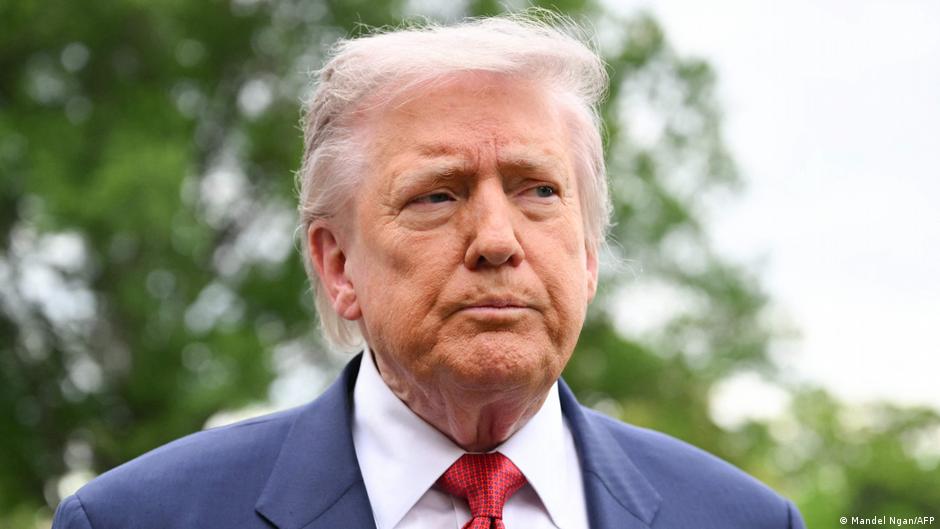
Amid ongoing strategic recalibrations in US-European defense posture, former President Donald Trump has acknowledged the possibility of relocating American military forces from Germany to Poland. This development follows Poland's expressed willingness to host a portion of the troops currently stationed in Germany.
Background on US Troop Redeployment
On May 8, Trump responded affirmatively to questions about troop repositioning, highlighting the strong bilateral ties between the United States and Poland and his favorable relationship with Polish President Karol Nawrocki. “Poland would like that,” Trump said, emphasizing mutual support and cooperation.
Earlier, on May 2, US Secretary of Defense Pete Hegseth ordered the withdrawal of approximately 5,000 American service members from Germany within a year. This move appears to be a response to mounting disagreements between the US administration and Germany's leadership, notably Chancellor Friedrich Merz.
Merz has openly criticized the US and Israel’s military approach toward Iran initiated on February 28, leading the White House to abandon plans to station a Tomahawk missile-equipped battalion in Germany. The Tomahawk system, with a range of up to 2,500 kilometers, represents a significant strategic asset, underscoring the implications of these diplomatic tensions.
According to Pentagon data from December 2025, roughly 68,000 US military personnel were stationed across European bases, with Germany hosting about 36,400—the largest contingent. The US maintains approximately 20 military installations in Germany, mostly concentrated in the southern and southwestern regions.
Poland and Lithuania’s Strategic Positioning
During a visit to Lithuania earlier in May, President Nawrocki emphasized Poland’s preparedness to accommodate some of the troops being withdrawn from Germany, stating, "We possess the necessary infrastructure for this." Poland currently hosts nearly 10,000 US servicemembers, positioning itself as a key strategic partner in Eastern Europe.
Similarly, Lithuanian President Gitanas Nausėda has expressed readiness to receive additional American forces. Lithuania is presently home to over 1,000 US troops, reinforcing the Baltic region’s role in NATO's eastern flank defense strategy.
"We possess the necessary infrastructure to host US troops being repositioned from Germany," said Polish President Karol Nawrocki.
The potential redeployment represents significant implications for US military strategy and European security dynamics. The move underscores a shift in US defense priorities, reflecting a complex interplay of diplomatic relations and military logistics within NATO.
For corporate and defense industry executives, these developments signal possible shifts in defense contracting opportunities, supply chain adjustments, and geopolitical risk assessments. The relocation of troops and assets could influence defense procurement strategies, infrastructure investments, and regional security partnerships.