Armed Rebel Attacks in DR Congo Result in 69 Deaths Amid Ongoing Regional Conflict
Two rebel factions' assaults in Ituri province highlight continued instability and resource-driven violence in eastern DR Congo.
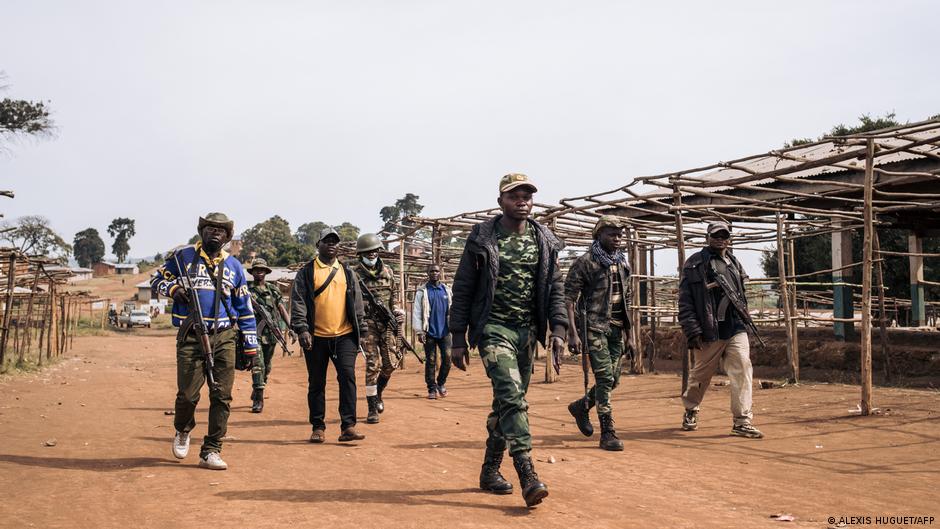
Recent attacks by two armed rebel groups in the Ituri province of the Democratic Republic of Congo (DRC) have resulted in the deaths of at least 69 people, including 19 combatants, according to local authorities. These violent incidents, which occurred in late April, underscore the persistent security challenges and complex ethnic tensions affecting the resource-rich region.
Ethnic Rebel Groups and Resource Conflict
The violence involved two primary factions: the Convention for the Popular Revolution (CRP), linked to the Hema ethnic group, and the Cooperative for the Development of Congo (CODECO), which claims to represent Lendu interests. The initial attack targeted a unit of the DRC's national army (FARDC), followed by retaliatory strikes by CODECO on several civilian settlements.
Security sources confirm the difficulty in accurately assessing casualties due to the ongoing presence of CODECO fighters in the affected areas, complicating recovery efforts and raising concerns about further instability.
"The protracted presence of armed fighters continues to delay critical recovery operations and impedes efforts to restore order in the province," a security official noted.
Ituri province, known for its rich gold deposits, has long been a hotspot for armed group activity, with factions frequently vying for control over mineral resources. CODECO, originally founded as an agricultural cooperative, has evolved into one of the most notorious militias in the region, reportedly numbering several thousand members.
CRP traces its origins to Congolese warlord Thomas Lubanga, who led the Union of Congolese Patriots in the early 2000s. Lubanga was arrested and convicted by the International Criminal Court (ICC) in 2006 for war crimes and served 14 years in prison before his release in 2020. Since then, he has pursued a political career in Ituri and announced the formation of the CRP in 2025, citing government inaction over CODECO and Ugandan rebel attacks as justification for renewed armed resistance.
Adding to the region's volatility is the March 23 Movement (M23), a Tutsi-affiliated rebel group that captured the eastern city of Goma in 2025 with alleged support from Rwandan forces. M23 remains one of the largest armed entities in the DRC and contributes to ongoing insecurity in eastern Congo.
Implications for Regional Stability and Business
The persistent conflict in the DRC, ongoing for over three decades since the 1994 Rwandan genocide, poses significant challenges to governance, regional security, and economic development. The displacement of more than seven million Congolese internally reflects the humanitarian toll. For businesses, particularly those involved in extractive industries, the volatile security environment raises operational risks and underscores the importance of comprehensive conflict risk assessments.
Investors and corporate executives engaged in the DRC's mining sector must monitor not only the evolving dynamics between armed groups but also the political trajectories of former militia leaders now active in local politics. The entanglement of ethnic rivalries, militia activity, and resource control continues to complicate efforts to establish lasting peace and stable economic growth in the region.
Understanding these multifaceted conflicts is essential for informed decision-making regarding investments and corporate strategies in one of Africa's most resource-endowed yet conflict-prone countries.