U.S. and Iran Agree to Temporary Ceasefire Ahead of Strategic Strait Negotiations
Washington and Tehran commit to halting attacks until June 30 as they prepare talks on maritime navigation rights in the Strait of Hormuz.
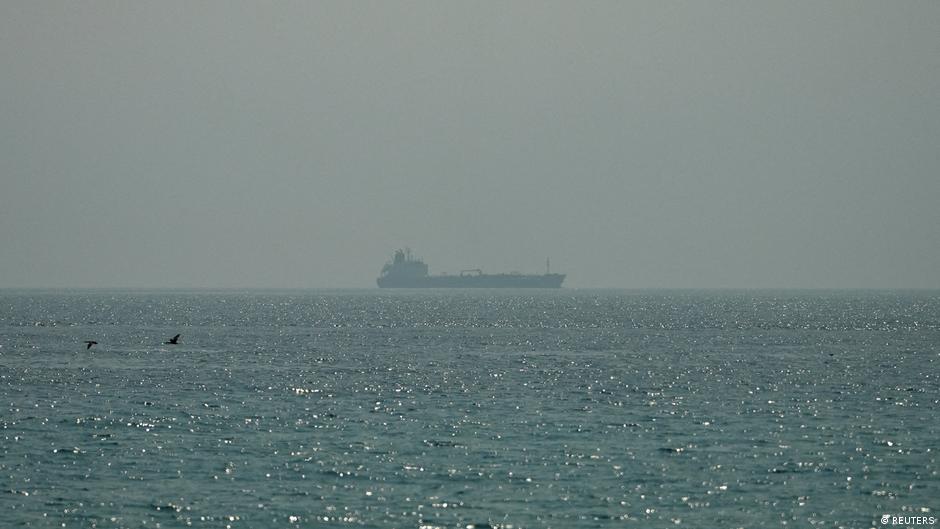
Following a recent exchange of military strikes, the United States and Iran have agreed to a temporary cessation of hostilities, effective until June 30, when both nations plan to meet in Qatar to discuss navigation through the strategically vital Strait of Hormuz. This development was reported on June 28, signaling a cautious step toward de-escalation amid ongoing geopolitical tensions.
Strategic Importance of the Strait of Hormuz and the Ceasefire
The Strait of Hormuz serves as a critical maritime chokepoint through which a significant portion of the world's oil supplies transit. Currently, the waterway remains partially obstructed, as Iran requires vessels to coordinate their routes with its military authority, limiting shipping to two narrow corridors. Tehran has not yet allowed Western countries to conduct comprehensive mine clearing operations, further constraining navigation.
"The June 30 meeting in Qatar aims at restoring free navigation in the Strait, a pivotal issue for global energy markets and regional security," a source familiar with the U.S. administration's stance noted.
Despite U.S. President Donald Trump's public declarations about fully reopening the strait, shipping volumes remain below half of pre-conflict levels, hampered by ongoing security concerns.
Recent Military Engagements and Their Impact on Corporate and Energy Markets
Between June 26 and 27, hostilities flared despite the declared ceasefire since April 8. The U.S. launched strikes on multiple Iranian coastal bases following Iranian attacks on two commercial vessels transiting the strait. Iran justified its actions by alleging the vessels deviated from agreed routes monitored by the Islamic Revolutionary Guard Corps (IRGC). In retaliation, Iranian forces targeted U.S. military bases in Kuwait and Bahrain, causing significant damage to at least one installation.
Both sides subsequently threatened to terminate the ceasefire arrangement, underscoring the fragility of the current truce and the high stakes involved for regional stability.
Energy markets have closely monitored these developments. The announcement of a "memorandum of understanding" between the U.S. and Iran on June 17 initially triggered a decline in oil futures, reflecting investor optimism about easing tensions. Brent crude prices fell to $73.22 per barrel on June 24, marking the lowest level since late February, while West Texas Intermediate (WTI) traded near $69.87.
Broader Diplomatic Challenges and Business Implications
The ceasefire and the upcoming talks represent only an initial phase of a broader potential agreement. Both nations have a 60-day window from the memorandum's signing to finalize arrangements concerning Iran's nuclear program, U.S. troop withdrawals from neighboring countries, and whether Iran will levy fees on vessels passing through the strait.
To date, there has been no public update on progress across these complex issues.
For multinational corporations and energy traders, the situation underscores the critical importance of geopolitical risk management. Executive decision-makers must closely monitor diplomatic developments, as the status of the Strait of Hormuz directly influences global energy supply chains, commodity prices, and regional investment climates.