European Leaders and Zelensky Discuss Renewed Diplomatic Efforts to End Ukraine War
German, French, and British heads of government held a virtual summit with Ukraine's president to strategize enhanced diplomacy and European involvement in peace efforts.
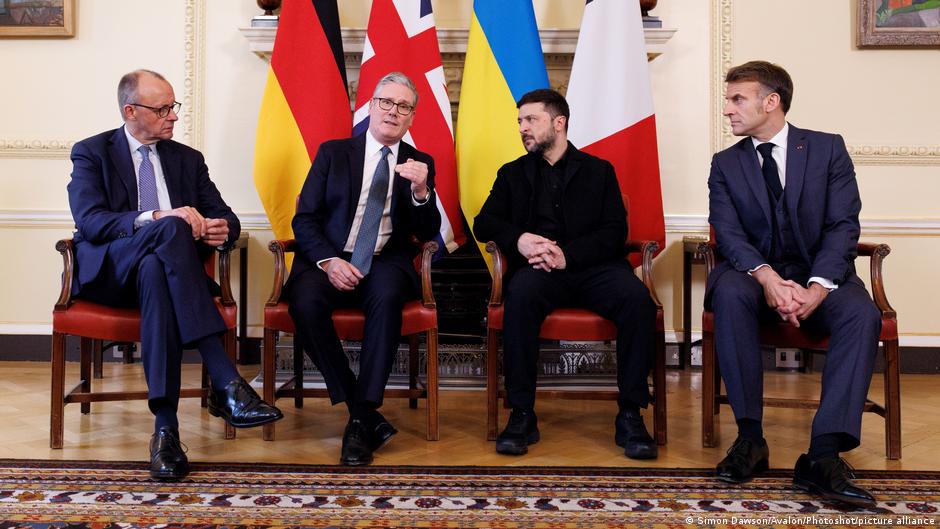
On May 22nd, a significant virtual summit took place involving Ukraine's President Volodymyr Zelensky and three key European allies: German Chancellor Friedrich Merz, French President Emmanuel Macron, and British Prime Minister Keir Starmer. The meeting, conducted via videoconference, focused on reinvigorating diplomatic efforts to end Russia's ongoing military aggression against Ukraine and increasing Europe's direct engagement in the peace process.
Diplomatic Strategy and Alliance Coordination
President Zelensky highlighted the central theme of the discussion as finding ways to "activate diplomacy in the name of peace" with Europe's active participation. While he withheld further details, the summit marked a rare high-level meeting in this format since the conflict escalated.
Starmer's spokesperson confirmed the European allies' commitment to strengthening Ukraine's defensive capabilities, noting that support would be intensified in the coming months. All parties emphasized the critical importance of opposing Russian aggression to maintain security within Europe and globally.
“All partners note that Ukraine’s position is significantly stronger—both on the battlefield and strategically. This pressure can push for effective diplomacy,” Zelensky said following the videoconference.
The timing of the summit is notable, as the United States, traditionally a key intermediary in negotiations, has shifted its focus due to the escalating conflict with Iran. This vacuum has prompted European allies to assume a more direct role in the peace dialogue between Kyiv and Moscow.
Changing Dynamics and Security Intelligence Sharing
Following recent Ukrainian Defense Forces’ strikes on critical Russian targets, Berlin, London, and Paris regard Ukraine as holding a considerably stronger position than before. Zelensky stressed that this evolving balance of power might create the necessary leverage to advance diplomatic solutions.
Additionally, Zelensky informed his counterparts about intelligence on Russian strategic plans concerning Ukraine, Belarus, and broader European security. He indicated that intelligence-sharing would be enhanced among the involved countries’ security agencies to coordinate responses effectively.
“We are doing everything to ensure that genuine peace comes,” Zelensky concluded.
The Future of Negotiation Formats
On the same day, Ukrainian Foreign Minister Andriy Sybiha commented that the existing trilateral negotiation format between Ukraine, the U.S., and Russia is reaching its limits. He suggested that involving European Union representatives could revitalize talks. Another proposed avenue includes a summit between the heads of state of Ukraine, Russia, and the U.S., a meeting Kyiv has publicly advocated for.
Sybiha described the current phase of the war as a turning point, underscoring the need to inject fresh momentum into peace initiatives.
Similarly, U.S. Secretary of State Mark Rubio expressed reservations about the effectiveness of recent ceasefire negotiations, emphasizing that while Washington remains open to trilateral talks, it is reluctant to engage in an endless cycle of unproductive meetings.
The last known trilateral round was held in February 2026 in Geneva, shortly before the outbreak of hostilities between the U.S. and Israel against Iran, which shifted the U.S. administration's focus away from Ukraine peace efforts.