US Strikes Iranian Military Sites Following Drone Attack on Commercial Vessel
US military targets Iranian missile and drone depots after Iran attacks Singapore-flagged cargo ship, escalating regional tensions.
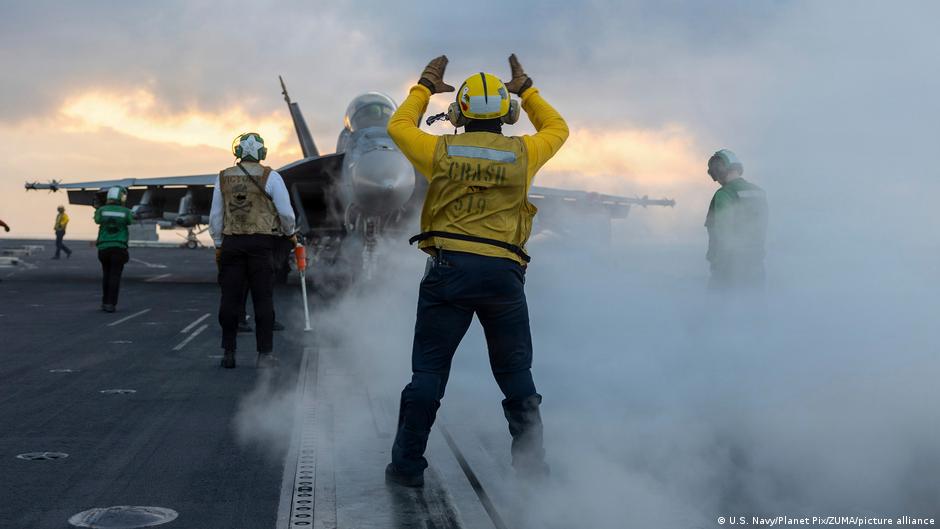
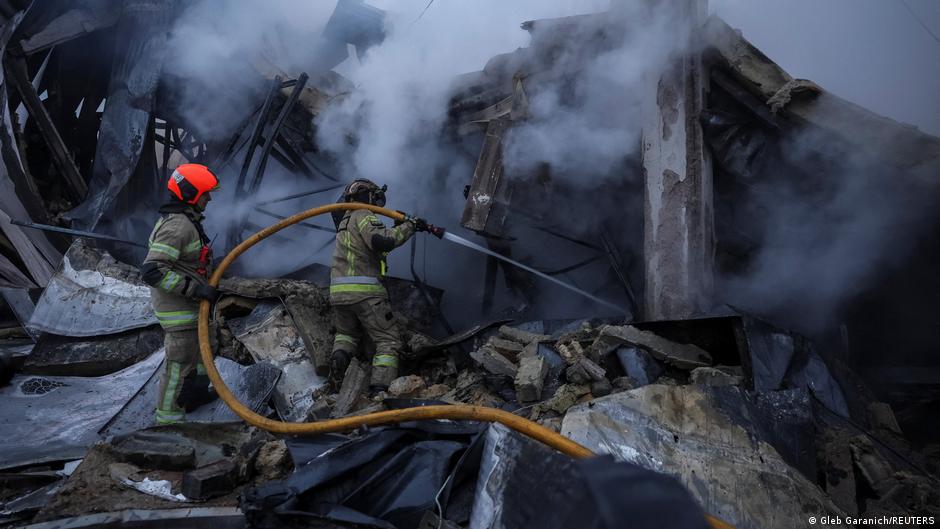
The United States military launched targeted strikes against Iranian missile and drone storage facilities, as well as coastal radar installations, in response to an Iranian drone attack on a commercial cargo vessel transiting the strategic Strait of Hormuz.
Escalation of Military Actions and Strategic Implications
On the evening of June 26, the US Central Command (CENTCOM) announced decisive military strikes against Iran, citing retaliation for the prior day's attack on the Singapore-flagged cargo ship Ever Lovely. The vessel was targeted with a kamikaze drone on June 25 while navigating the Strait of Hormuz along the coast of Oman, a crucial maritime chokepoint for global oil shipments.
CENTCOM characterized the Iranian attack as an "unjustified act of aggression" violating the recently established ceasefire framework. This framework, signed on June 17 between the US and Iran, was designed to deescalate hostilities and unblock the strategically vital waterway.
"American air forces struck Iranian rocket and UAV storage sites along with coastal radar posts after Iran’s drone strike on the commercial vessel," CENTCOM stated on its official social media channel.
In retaliation, Iran’s Islamic Revolutionary Guard Corps (IRGC) launched missile attacks on American military bases situated in the Middle East. The IRGC warned that any further US provocations would provoke a "larger-scale response." Iranian officials maintain that their actions do not violate any agreements, asserting that the document signed with Washington guaranteed Iran control over maritime navigation in the Strait of Hormuz.
"The United States attempted through various provocations to undermine this commitment, to which a necessary response was given," declared the IRGC.
The attack on Ever Lovely marks the first such incident in the Strait since the ceasefire agreement’s enactment, occurring just hours after the IRGC announced that safe passage for vessels would only be guaranteed along Iran-controlled routes. This position represents a significant shift in control over one of the most critical global shipping lanes.
The International Maritime Organization (IMO), a UN-affiliated body, subsequently suspended operations to evacuate hundreds of ships and over 11,000 crew members stranded in the Persian Gulf region amid the renewed conflict between the US, Israel, and Iran. The instability has also contributed to rising global oil prices, reflecting concerns about supply disruptions.
US President Donald Trump labeled Iran’s actions a "stupid" breach of the ceasefire on June 26 via his social media platform Truth Social. He emphasized that Iran had deployed at least four drones against vessels in the Strait of Hormuz, highlighting continued volatility in US-Iran relations and the broader geopolitical risks to global trade routes.
This latest flare-up underscores the challenges facing corporate and governmental leaders managing risk in international supply chains and energy markets. The strategic control of maritime chokepoints like the Strait of Hormuz remains a critical factor in global commerce, with executive decisions in both the public and private sectors likely to be influenced by ongoing security dynamics in the region.