Trump Announces New Phase of U.S.-Iran Negotiations Amid Strategic Military Postponements
President Trump signals readiness to pursue a diplomatic deal with Iran while holding military options in reserve.
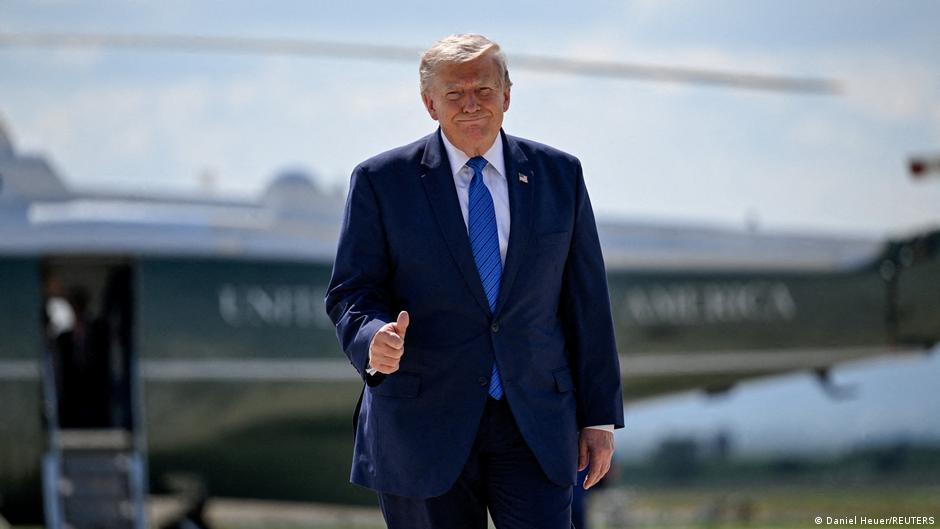
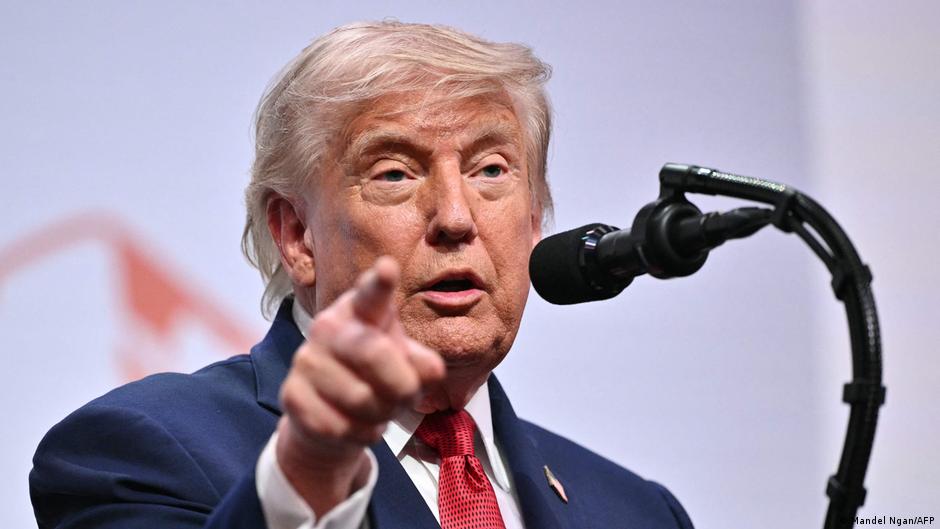
U.S. President Donald Trump announced the commencement of a new phase in negotiations between Washington and Tehran, scheduled to begin Monday, August 3. This development follows a recent decision by the White House to postpone additional military strikes against Iran, citing agreed parameters of a potential deal.
Speaking to journalists aboard Air Force One, President Trump emphasized that the administration has opted to refrain from new attacks on Iran to provide an opportunity for diplomatic conflict resolution. "This will save many lives," he remarked.
Trump indicated that the forthcoming agreement could involve critical issues such as the security of the Strait of Hormuz and Iran's nuclear program. "I would prefer to make a deal. I do not like killing people," the president stated, while also underscoring that Washington retains the option to initiate strikes if necessary.
Strategic Implications of the Negotiation Postponements
Earlier, the Trump administration, in coordination with Israel, delayed planned attacks on Iran following appeals from the Islamic Republic and other Middle Eastern countries. The president highlighted that the U.S. was prepared to confront Tehran with "military deterrence of a scale unseen since World War II." However, he agreed to cancel these attacks "for the future good of the entire world" and because the terms of a potential deal had been established.
"I would prefer to make a deal. I do not like killing people." — President Donald Trump
These developments mark a significant strategic pivot from direct military engagement toward diplomacy, reflecting the administration's balancing act between exerting military pressure and pursuing negotiated settlement.
Despite this, tensions remain high. Since signing a "memorandum of understanding" in June 2026, aimed at a 60-day cessation of hostilities and initiation of peace talks, incidents of conflict have persisted. The U.S. accused Iran of violating the ceasefire and resumed attacks on Iranian targets.
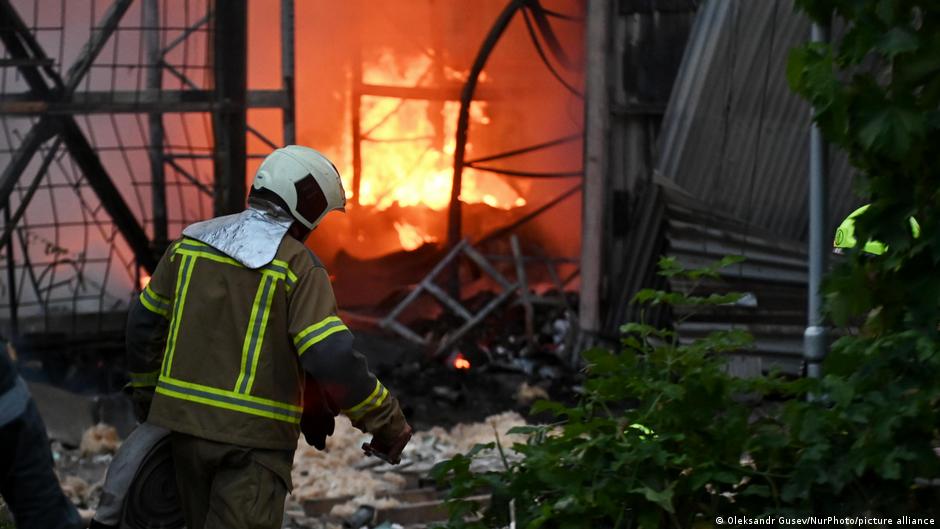
Most recently, on July 30, U.S. forces targeted "dozens of sites" linked to the Islamic Revolutionary Guard Corps (IRGC), including command centers and missile and drone launch facilities. Iranian state media reported that among the affected areas was a residential neighborhood on Qeshm Island, where three civilians were killed.
As the new negotiation phase opens, corporate leaders and strategists will closely monitor the geopolitical landscape due to the considerable implications for global markets, particularly energy supply routes through the Strait of Hormuz and the stability of Middle Eastern alliances.
For American businesses with exposure to Middle Eastern markets or interests in global energy security, the outcome of these talks could influence operational risks and investment decisions. The administration’s decision to prioritize diplomacy, while keeping military options open, signals a nuanced approach to regional security that corporate boards will need to assess carefully.