France Detains 565 as Cost-of-Living Protests Test Business Confidence
Nationwide demonstrations drew 320,000 people as economic grievances broadened a student-led movement and increased operational risks.
French authorities detained 565 people during a third consecutive Saturday of nationwide protests, as a movement that began over conditions in schools expanded to encompass the rising cost of living and other social concerns. The unrest presents a widening challenge for political leaders and raises practical questions for companies navigating disruptions, employee concerns and a potentially more volatile operating environment.
The Interior Ministry said 320,000 demonstrators participated across France, including 70,000 in Paris. Protest organizers put the nationwide turnout at nearly 500,000. Although the estimates differ substantially, both indicate that the demonstrations retained significant reach even as official participation figures declined for a second week.
Interior Minister Laurent Nuñez said the demonstrations were largely peaceful, but accused members of far-left groups of using “monstrous violence” against law enforcement. Authorities deployed 70,000 police officers across the country, underscoring the scale of the security operation required to manage the protests.
Economic grievances broaden the pressure
The demonstrations began in late September with protests by school pupils and university students. Their initial complaints included teacher shortages, overcrowded classrooms, excessively long school days, outdated school buildings and a lack of modern equipment. Participants also voiced anxiety about their future, including difficulties gaining admission to universities.
The movement subsequently attracted people dissatisfied with a broader range of social problems, including increases in the cost of living. That evolution matters for employers because household financial pressure can move quickly from the streets into the workplace, affecting wage expectations, labor relations and consumer behavior. Companies with large French workforces may also face demands to explain how compensation, staffing and investment decisions respond to the same pressures driving public discontent.
For executive teams, the immediate implications are primarily operational. Large demonstrations can disrupt transport, reduce access to commercial districts and require additional security planning for employees, offices and retail locations. Persistent unrest can also complicate decisions on scheduling, business continuity and customer access, particularly when unauthorized marches develop into confrontations.
Official turnout has fallen on each of the three Saturdays, but the widening range of grievances means the movement’s strategic significance cannot be measured by crowd size alone.
According to government estimates, 550,000 people demonstrated on October 17 and 410,000 on October 24, compared with 320,000 on October 31. The downward trajectory may offer some reassurance to corporate planners. Yet boards and senior executives will still need to monitor whether lower participation is accompanied by greater disorder or whether the protests begin to influence labor activism, public policy or household spending.
Clashes raise security and continuity concerns
In Paris, five police officers were injured during clashes with several hundred protesters. Authorities said three were struck by Molotov cocktails. One officer’s clothing caught fire, and he was diagnosed with a burn to his leg. Protesters also threw paving stones and rocks at police, who responded with tear gas and batons.
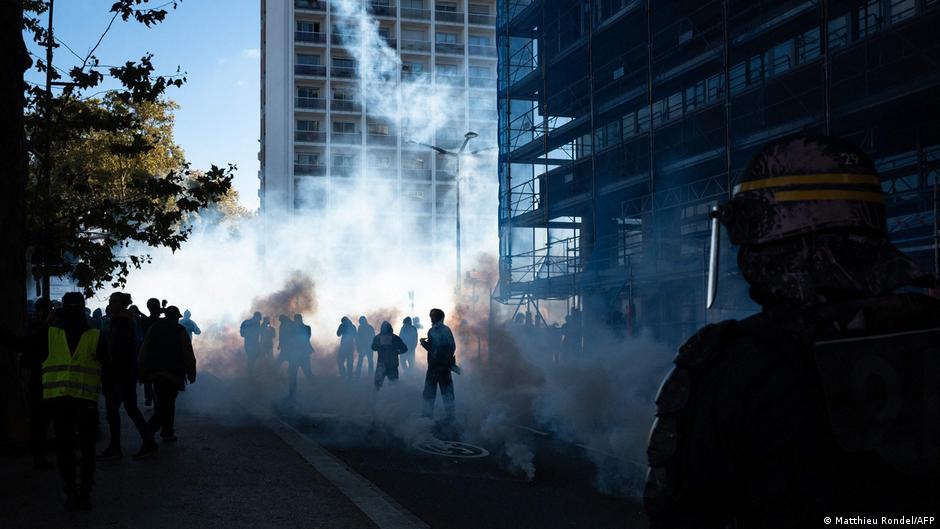
Police used water cannons and tear gas against participants in an unauthorized demonstration in Toulouse. In Marseille, an unapproved march involving approximately 10,000 people later developed into clashes with law enforcement. Confrontations also occurred in Lyon, where police used tear gas against people involved in the unrest.
The pattern creates a fragmented risk map for businesses. The demonstrations are national, but local conditions differ sharply, requiring management teams to assess exposure city by city. Companies operating in central Paris, Toulouse, Marseille and Lyon may need flexible staffing and remote-work arrangements, while retailers and hospitality businesses face the possibility of reduced foot traffic, property damage or temporary closures near protest routes.
The unrest has increasingly featured burning garbage containers and vehicles, vandalism, looting and forceful clashes with police. Those developments heighten the importance of clear crisis-management authority inside companies. Boards may seek assurances that management has procedures for employee safety, site closures, insurance notifications and rapid communication when demonstrations change direction or become violent.
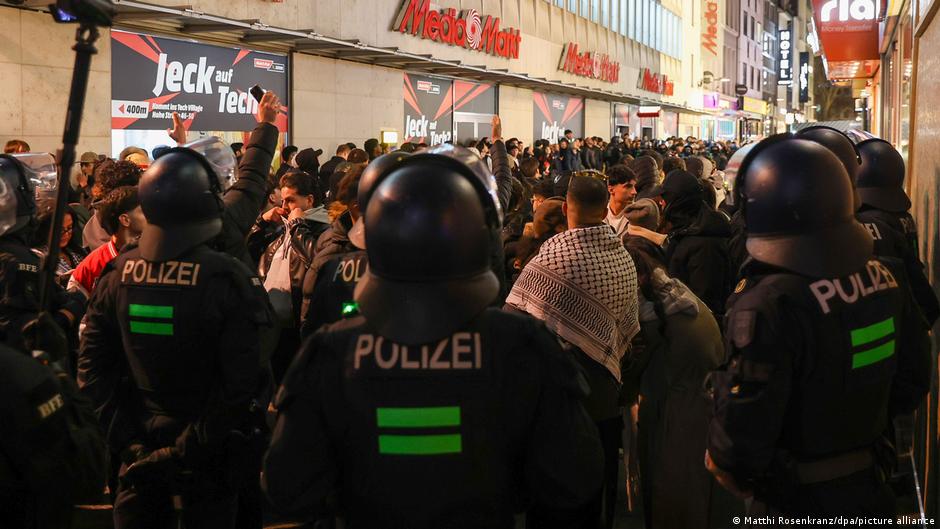
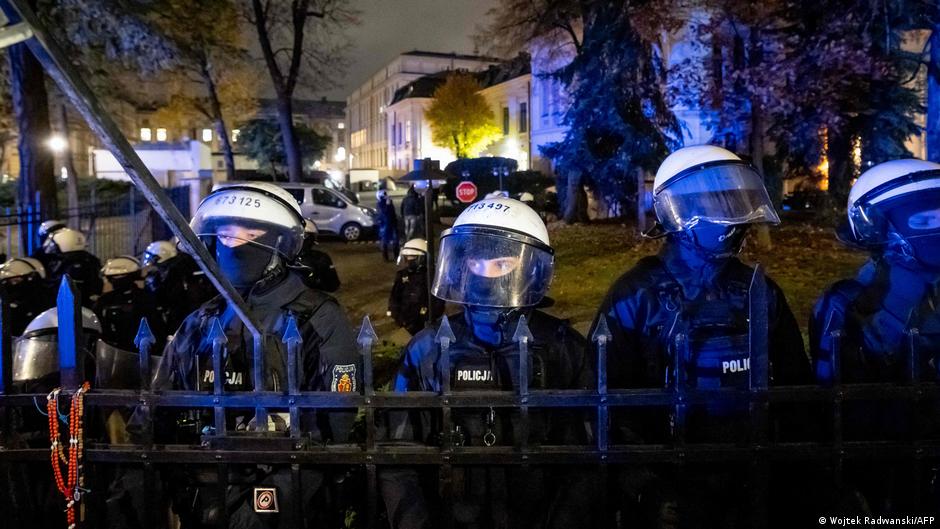
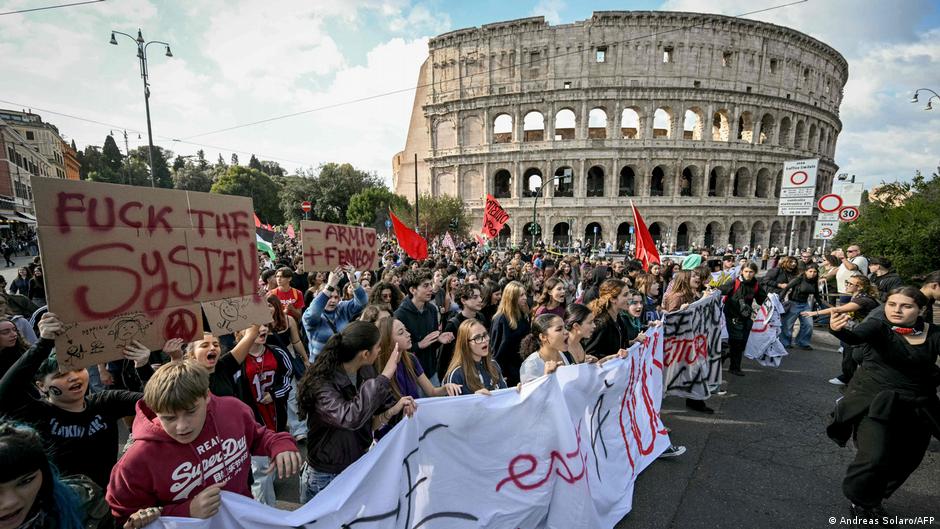
The French protests have also inspired young people elsewhere in Europe, including Italy, Germany and Belgium. Demonstrations in major German cities ended in disorder on October 31. For multinational companies, that cross-border dimension may turn what appears to be a French domestic issue into a wider European planning concern, especially if similar grievances over education, living costs and young people’s prospects gain traction in additional markets.
The central strategic question is whether the decline in French turnout marks a loss of momentum or a transition into a smaller but more disruptive phase. Executives cannot answer that from a single weekend’s figures. For now, the combination of broad social grievances, large security deployments and violence in several commercial centers keeps the protests firmly on the corporate risk agenda.