Austria Plans to Extend Mandatory Military Service Amid Rising Security Concerns
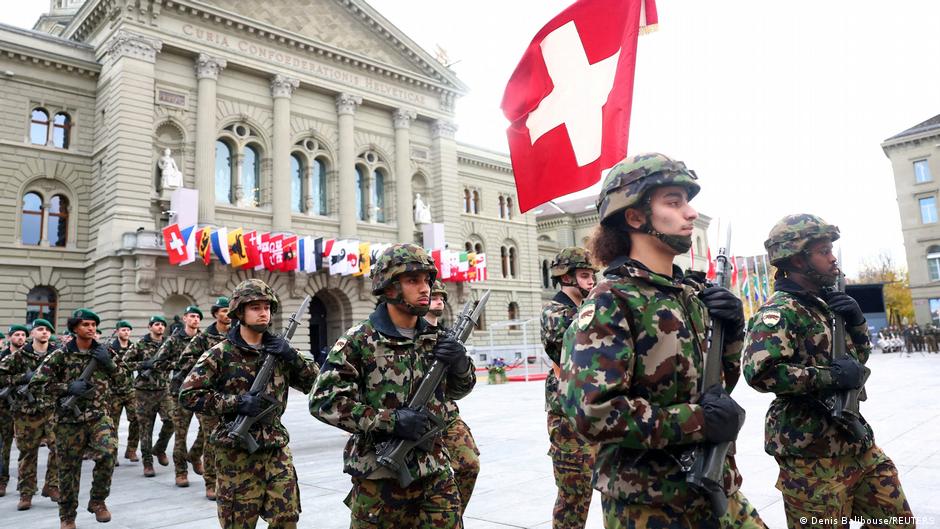
Austria plans to extend mandatory military service to nine months, enhancing training and pay amid growing security threats and geopolitical tensions in Europe.
Austria plans to extend mandatory military service to nine months, enhancing training and pay amid growing security threats and geopolitical tensions in Europe.
Germany’s Transport Minister Patrick Schnieder resigns amid internal CDU tensions; Chancellor Friedrich Merz to nominate Steffen Bilger as successor.

A Kremlin-linked bot network is spreading fabricated news to influence voter sentiment in key German state elections, targeting mainstream politicians with false accusations.

Alexander Hoffmann urges Germany to secure Ukrainian drone tech via an intergovernmental deal, boosting Bundeswehr's defense and production capabilities.

The EU has summoned Russia's envoy over missile strikes in Ukraine, including attacks on a weapons site and Latvian consulate, promising expanded sanctions on Russia's military-industrial complex.
Montenegro plans to end visa-free entry for Russian and Belarusian citizens by October 31, 2026, aligning with EU accession requirements and impacting business travel and corporate strategy.

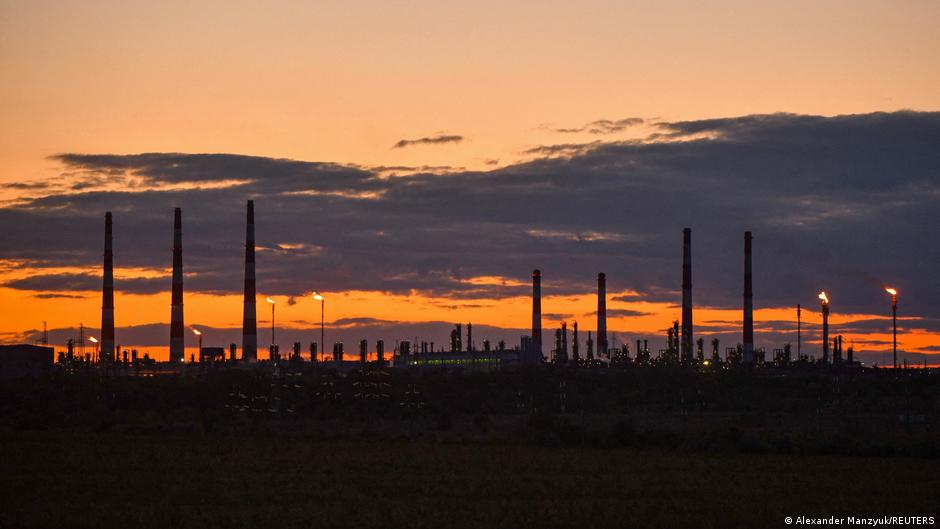
Russia's oil and gas revenues in July may rise 60% year-on-year due to higher global prices, despite ongoing sanctions and a year-to-date revenue decline.

The US has lifted sanctions on Miami-based Bel-Kap-Steel, linked to Belarus’s metallurgical sector, amid political prisoner releases and evolving Minsk-Washington negotiations.

Ukraine urges a UN Security Council meeting as Russian attacks on Black Sea civilian shipping threaten global food security and trade routes.

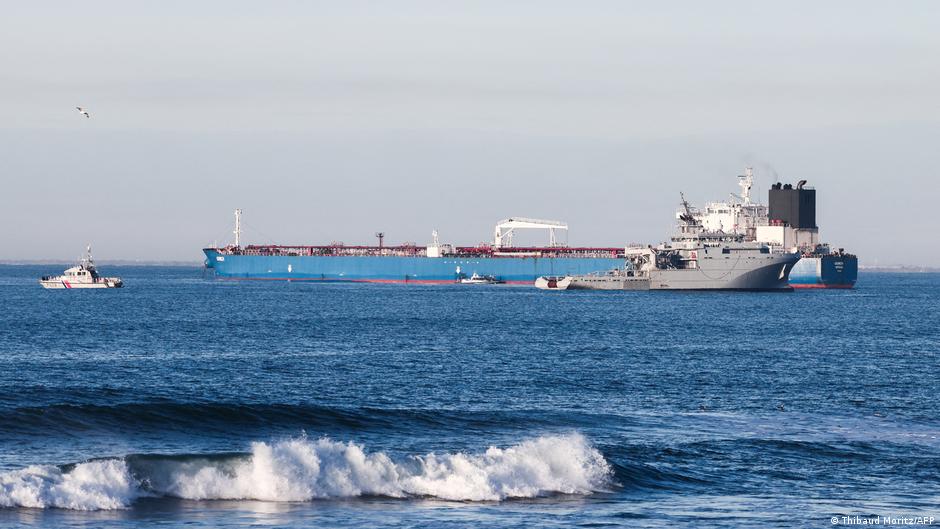
Iran’s Revolutionary Guards attack a Greek-owned oil tanker in the Strait of Hormuz, signaling increased maritime risks and strategic shifts affecting global oil transport.

The US military has conducted ten consecutive days of strikes against Iranian targets, escalating tensions in the Persian Gulf as Tehran retaliates with drone and missile attacks.

The IMF has approved a $690 million tranche to Ukraine under its four-year EFF program, acknowledging solid macroeconomic management despite delays in structural reforms amid ongoing conflict.

Hungary blocks key EU negotiation clusters for Ukraine’s accession talks, complicating the EU enlargement process and raising strategic concerns for businesses.

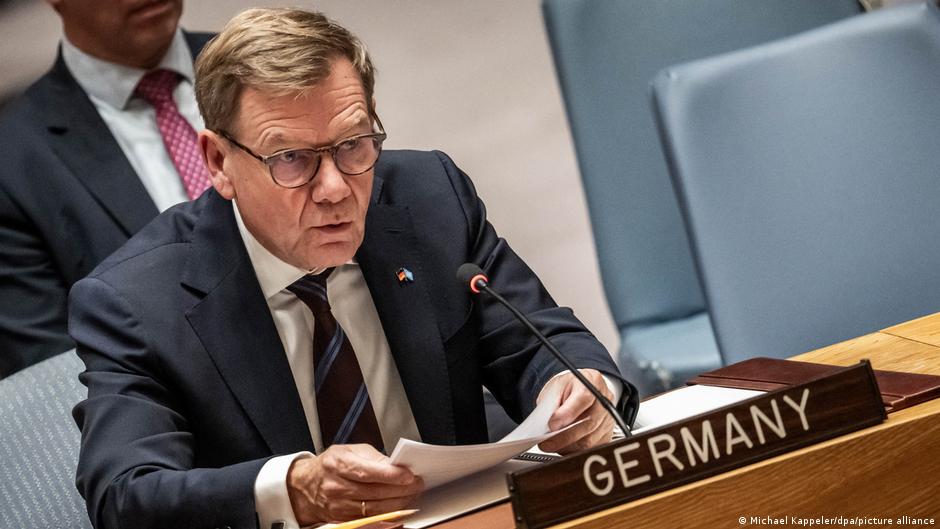
German Foreign Minister Johann Wadephul defends the International Criminal Court against U.S. claims of sovereignty threats amid a U.S. campaign targeting the tribunal’s authority.

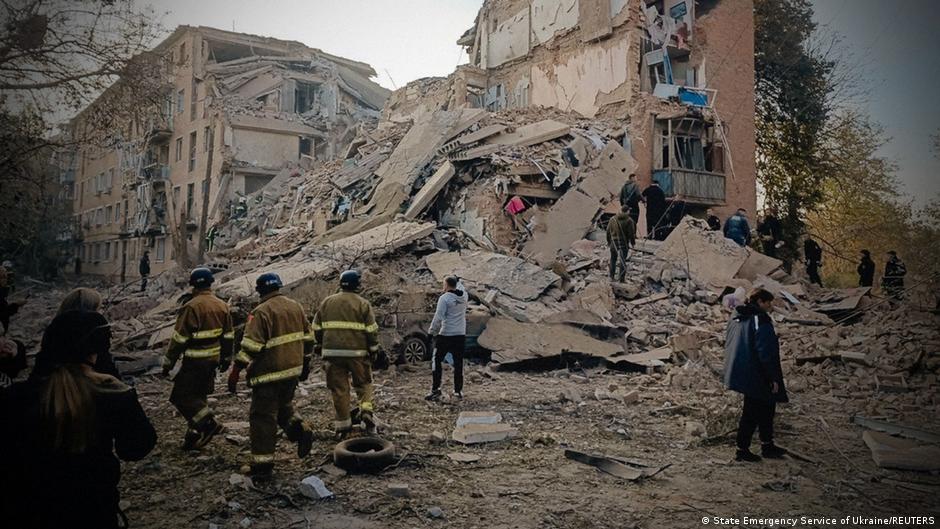
Russian forces executed a combined strike on Izyum in Ukraine, using guided bombs and UAVs, causing casualties and extensive damage to civilian and agricultural infrastructure.

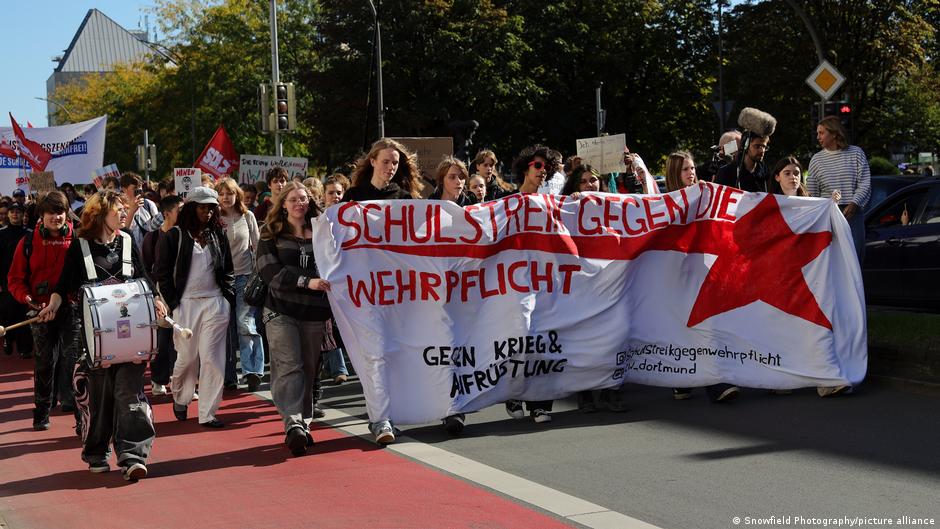
Germany reports a sharp rise in military service refusal applications amid security concerns and new conscription reforms, potentially impacting defense recruitment.

Two suspects were arrested for arson after a major wildfire burned over 1,300 hectares near Paris, amid France's ongoing heatwave and rising wildfire risks.

German President Steinmeier urges Europe to respond to the 'ruthless' policies of Russia and the US, emphasizing international law, pragmatic US relations, and social reforms amid rising far-right influence.

The EU recommends withholding €2 million funding from the Venice Biennale due to Russia's participation, citing conflicts with democratic values and EU sanctions.

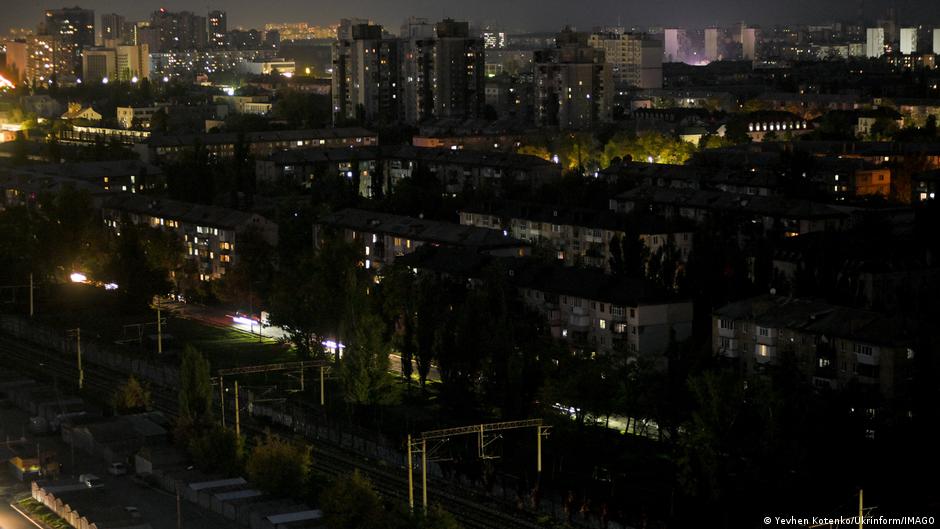
Russian missile strikes on Kyiv injure six amid record civilian casualties; Ukraine escalates drone attacks on Russian oil refineries, signaling intensifying conflict dynamics.

June 2026 marks the deadliest month for civilians in Ukraine since the Russian invasion, with escalating casualties signaling deepening humanitarian and strategic challenges.

The Saratov refinery has halted operations after Ukrainian drone strikes damaged its primary processing unit, worsening fuel shortages in Russia amid ongoing refinery attacks.

Germany will boost its defense budget to a record €124.7 billion in 2026, increasing its NATO commitments amid broader European military spending shifts.

Germany welcomes Canada’s decision to purchase TKMS submarines, signaling enhanced NATO defense cooperation and a major industrial contract worth up to €100 billion.

Russian attacks on Ukrainian cities including Kharkiv and Zaporizhzhia caused four deaths and 25 injuries, with significant damage to civilian infrastructure reported.

Latvian President Edgars Rinkēvičs calls on NATO to prepare for potential escalation with Russia, highlighting the need for enhanced military capabilities and stronger transatlantic defense cooperation.

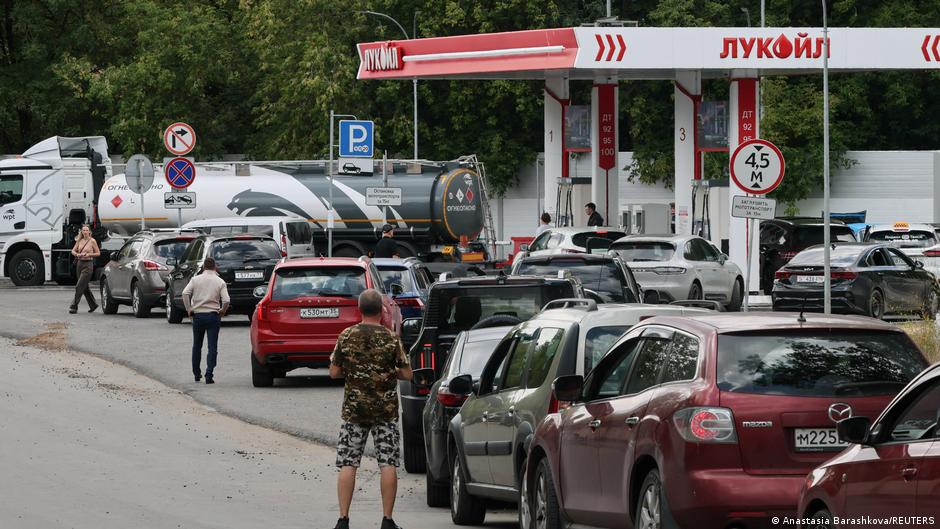
Russia permits sale of Euro-3 standard fuels domestically through 2026 to mitigate supply shortages caused by refinery disruptions and attacks.

Two brothers in Germany admitted to illegally exporting industrial machinery parts to Russia via shell companies, violating EU sanctions and facing prison sentences.

In June 2024, Russian drone and missile strikes on Ukraine dropped significantly, raising questions about Russia’s military production and strategic intentions.

France joins Italy, Spain, and Hungary in tightening Schengen visa rules for Russian citizens, requiring personal submission and biometric data, affecting travel and business.

The US extends NIS's operational license amid delays in MOL’s acquisition of Gazprom’s 56% stake, allowing Serbia’s key oil refinery to continue functioning under sanctions.

The EU has cut its duty-free steel import quota by 47%, imposing a 50% tariff on excess imports to protect domestic producers amid global overcapacity concerns.

Poland expelled 11 individuals accused of recruiting Ukrainian refugees for protests financed by Russia, reflecting ongoing foreign interference concerns.

Yulia Navalnaya received the Bavarian SPD's European Prize for her steadfast resistance to Russia's authoritarian regime and advocacy for human rights.

President Zelensky proposes a National Pantheon and an 'Order of Europe' to honor Ukrainian heroes amid diplomatic tensions with Poland over historical commemorations.

The Communist Party of Austria won a second consecutive victory in Graz’s municipal elections by focusing on pragmatic housing policies and moderate rhetoric, challenging traditional party dynamics.

Polish opposition leader Jarosław Kaczyński urges blocking Ukraine's EU accession talks, citing historical disputes and economic concerns amid rising bilateral tensions.

Finland has amended its atomic energy law to lift the ban on nuclear weapons import and storage, strengthening its defense posture amid NATO integration and regional security challenges.

Russia closes Romanian Consulate in St. Petersburg, responding to Romania's closure of the Russian Consulate in Constanța following a drone incident in Galați, Romania.

France and Italy express concerns over the EU's proposed ban on entry for Russian combatants, fearing broad application that could affect all Russian nationals amid intensified sanctions.

PACE criticizes Georgia for democratic backsliding, urging reforms and an end to opposition repression, while Georgian officials reject the resolution as anti-sovereign.

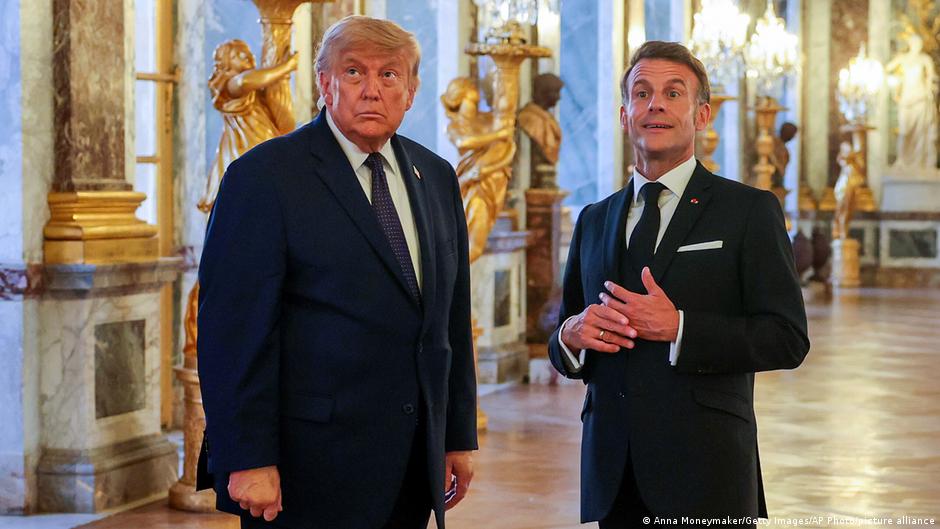
Former US President Trump praises Zelensky’s resilience in the Russia-Ukraine war while criticizing Europe's stance, highlighting strategic challenges for US foreign policy.

Belgium granted one-day visas to five Taliban representatives for an EU meeting on Afghan deportations, raising complex security and migration policy issues within Europe.

Germany's Economy Minister urges Turkey to exclude Russian gas from future EU energy deals, highlighting geopolitical and business strategy shifts amid ongoing conflicts.

Bulgaria’s Prime Minister Rumen Radev announced a veto on the EU’s latest Russia sanctions package, citing economic risks to key sectors and opposing sanctions on Patriarch Kirill.

EU member states agree to extend Russia sanctions for one year, shifting from previous six-month renewals due to political changes in Hungary and unified condemnation of Russian aggression.

The EU has initiated confidential talks with Kremlin officials to prepare for potential peace negotiations in Ukraine, reflecting strategic diplomatic efforts amid ongoing conflict.

Russia launched ballistic missile strikes on Kyiv and other Ukrainian cities shortly after the G7 pledged increased support to Ukraine, raising geopolitical and business risks.

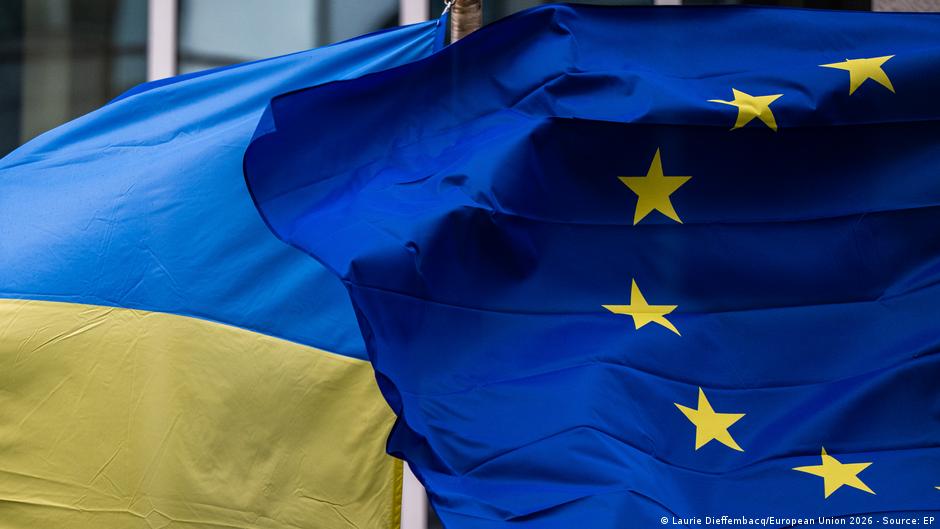
The EU has launched the first negotiation cluster with Ukraine and Moldova, marking the transition to detailed talks on their potential EU membership and associated reforms.

European leaders back the US-Iran agreement, stressing swift action, nonproliferation, and restoring navigation through the strategic Strait of Hormuz to stabilize markets.