Finland Pushes EU Visa Ban for Russians as War Policy Pressures Mount
Foreign Minister Elina Valtonen is urging a bloc-wide halt to Russian tourist visas, framing mobility rules as a test of EU resolve.
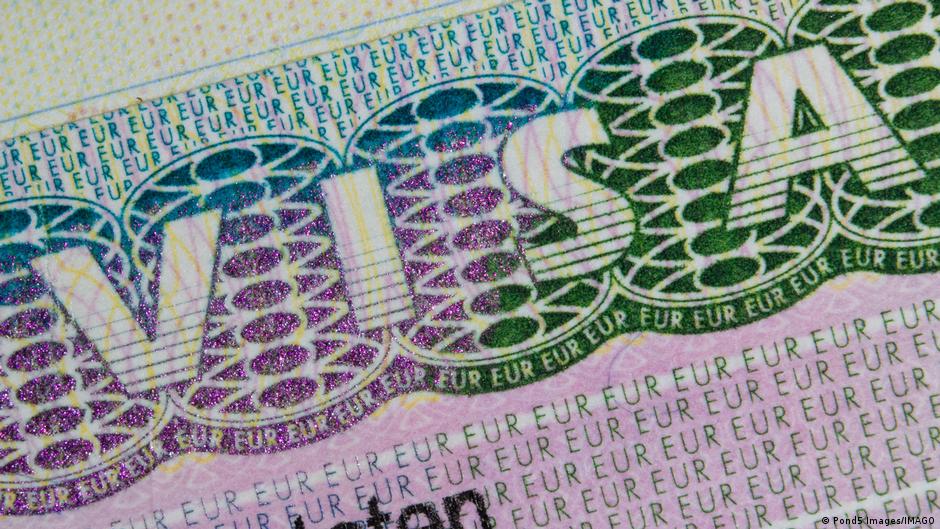
Finland’s foreign minister, Elina Valtonen, is pressing European Union governments to stop issuing tourist visas to Russian citizens while Moscow continues its war against Ukraine, a move that would shift a long-running security debate into a broader test of EU political discipline and institutional coordination.
Valtonen said on X on Monday, October 12, that she had invited other EU member states to join her appeal to the European Commission on the issue. Her message sharpened an argument that has been circulating across parts of northern and eastern Europe since the early stages of Russia’s full-scale invasion: that access to the EU’s consumer, travel and lifestyle infrastructure should not remain broadly available to citizens of an aggressor state while Ukrainian civilians are under attack.
“It is wrong that Russians can travel to Europe to enjoy the lifestyle and freedoms here while their country bombs Ukrainians’ homes,” Valtonen said.
For executives and boards with exposure to European travel, payments, aviation, hospitality or compliance operations, the significance lies not only in the proposed restriction itself but in the way EU policy risk is moving. Visa rules, once treated largely as a consular and border-management issue, are increasingly being folded into the sanctions-adjacent toolkit used to impose costs on Russia and its political ecosystem.
A Push to Turn National Policy Into EU-Wide Strategy
Finland has already acted nationally. Valtonen noted that Helsinki banned the issuance of visas to Russians for non-essential travel in 2022. She is now arguing that the same approach should be adopted at the EU level, which would reduce the patchwork effect created when some countries impose tighter entry limits while others continue issuing Schengen visas under existing procedures.
The business implications of a bloc-wide approach would be practical as well as political. A coordinated EU position would give companies clearer compliance parameters, but it would also tighten the operating environment for sectors that still touch Russian consumer travel, including airlines outside Russia, tour intermediaries, hotels, payment processors and professional services firms advising on mobility and sanctions exposure.
Valtonen’s proposal goes beyond ordinary tourist travel. She also called for a ban on issuing Schengen visas to people belonging to the close circle of Russian President Vladimir Putin, restrictions on visas for Russian athletes, and effective enforcement of the existing ban on visas for Russian participants in the war against Ukraine. Her central message was that EU countries need to act together.
That phrase matters in Brussels. The EU’s leverage is strongest when national governments can align policy, implementation and enforcement. But travel restrictions are politically sensitive because they sit at the intersection of security, collective responsibility, humanitarian exceptions and Europe’s own claims about openness. Any broader ban would require governments to weigh symbolic pressure against administrative feasibility and the risk of inconsistent application.
Pressure Builds Around Mobility, Sanctions and Hybrid Threats
Valtonen’s intervention follows earlier calls from other senior European figures. In September, Kaja Kallas, the EU’s high representative for foreign affairs and security policy, said the bloc needed to tighten restrictive measures against the Kremlin in response to what she described as Moscow’s “hybrid attacks,” including by reducing the number of tourist visas.
Estonia has separately advocated a visa ban for former Russian participants in the war against Ukraine. That measure was later supported by other Baltic and Nordic countries, underscoring the regional pattern behind the current push. Governments closest to Russia, and those most exposed to border, intelligence and hybrid-security risks, have tended to support tougher restrictions on Russian mobility into the Schengen area.
In June, a group of EU countries issued a joint call to stop granting tourist visas to Russians. According to the letter signed by those countries, Russians received 470,000 visas in 2025 for visits to 29 Schengen Area countries. Many of those visas allowed multiple entries, AFP noted. That figure has become a focal point for governments arguing that the current system still permits a level of travel that is politically incompatible with the EU’s stance on the war.
For corporate leaders, the number illustrates a broader compliance reality: sanctions and Russia-related restrictions are no longer limited to export controls, financial assets or named individuals. The perimeter is expanding into mobility rights, event participation, sports access and the movement of people whose affiliations may create political or reputational risk.
The issue is expected to move back onto the formal EU agenda shortly. According to data published on the website of Austria’s parliament, the Council of the EU is scheduled to discuss visa policy toward Russia on October 14. That discussion could clarify whether Valtonen’s proposal remains a regional pressure campaign or becomes part of a more structured EU policy process.
Boardroom Consequences of a Tighter EU Line
For multinational companies, the immediate question is not whether the EU will fully close tourist access to Russians overnight. It is whether management teams are prepared for a continuing shift toward stricter screening, narrower exemptions and more politicized enforcement around Russian-linked activity.
Travel and hospitality firms would need to monitor changes in visa eligibility and customer acceptance rules. Employers with Russian nationals in Europe would need to distinguish carefully between tourist travel, essential travel, employment authorization and humanitarian exceptions. Sports, events and entertainment businesses could face additional scrutiny if restrictions on Russian athletes become more systematic. Financial and professional services firms would need to ensure that mobility advice does not conflict with sanctions obligations or emerging national rules.
The governance lesson is broader. European policy toward Russia continues to evolve through a combination of sanctions packages, national border decisions, security assessments and public pressure from frontline EU states. Boards that treat Russia risk as a static legal checklist may miss the strategic direction of travel: toward more restrictions, wider definitions of exposure and greater expectations that companies align with the political intent of EU measures, not just their narrow legal wording.
Valtonen’s appeal therefore lands as more than a diplomatic statement. It is part of a widening debate over how far Europe should go in limiting the benefits of access to its markets, borders and freedoms for citizens and elites connected to a state waging war against Ukraine. Whether the EU can turn that argument into a common policy will now depend on the willingness of member states to accept a stricter, more unified approach.