Swiss Voters Reject Sanctions Curbs, Preserving Policy Flexibility for Bern
The referendum result keeps Switzerland aligned with a flexible model of neutrality that allows sanctions and strategic cooperation.
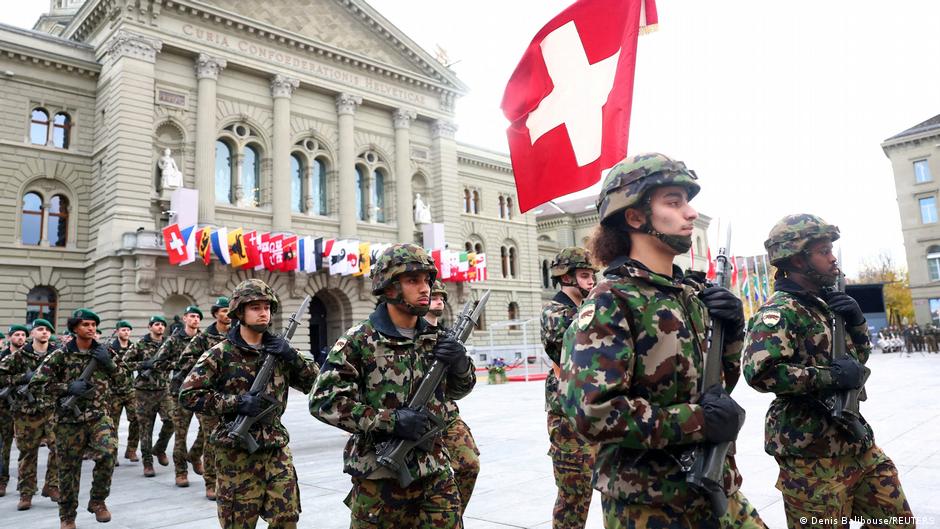
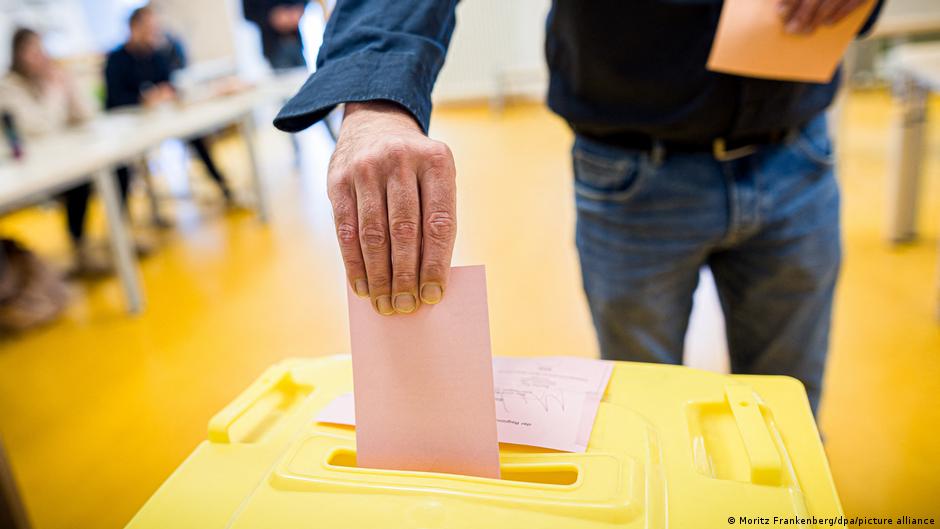
Swiss voters have rejected a proposal that would have sharply narrowed the government’s room to impose economic sanctions, preserving Bern’s current ability to align with international measures such as the European Union’s sanctions against Russia over the war in Ukraine.
According to official results published on the Swiss government’s website on Sunday, September 27, 70.15 percent of voters opposed the initiative, which sought a stricter interpretation of Switzerland’s political neutrality. The proposal was backed by right-conservative forces but failed to win public support in a national referendum.
For executives, banks, commodity traders, insurers and multinational companies operating through Switzerland, the result reduces the immediate risk of a constitutional shift that could have complicated compliance strategy and altered the country’s foreign-policy posture. Switzerland’s reputation as a neutral state remains intact, but voters declined to redefine neutrality in a way that would have curtailed sanctions unless they were approved by the United Nations Security Council.
Neutrality, Sanctions and Corporate Risk
The initiative, titled “Preserving Swiss Neutrality,” was advanced by the association Pro Schweiz, which is close to the right-conservative Swiss People’s Party. Its supporters argued that although neutrality is anchored in the Swiss Constitution, the government had weakened the principle of non-intervention by joining EU sanctions against Russia in connection with the war in Ukraine.
The proposed constitutional changes would have defined Switzerland as maintaining “permanent and armed” neutrality. The initiative also sought to prevent the country from joining military alliances, such as NATO, or cooperating with them, except in cases where Switzerland itself came under attack. Most consequentially for corporate decision-makers, it called for a broad ban on sanctions: the government would have been able to impose economic sanctions only after approval by the UN Security Council.
That provision would have carried direct implications for companies whose Swiss operations are shaped by sanctions screening, cross-border payments, trade finance, insurance coverage, commodities transactions and export controls. A stricter neutrality framework could have placed Swiss policy on a different track from the EU, potentially forcing boards and compliance departments to reconcile diverging regulatory expectations across jurisdictions.
Instead, voters left the government’s current approach in place. Switzerland can continue to apply neutrality with political discretion, including by participating in sanctions regimes linked to violations of international law when Bern determines that such action is compatible with national interests and the broader international order.
Foreign Minister Ignazio Cassis argued during televised debates that Swiss neutrality has always been applied with a degree of “flexibility.”
Cassis also said neutrality should not be equated with “indifference.” In his view, Switzerland should not close its eyes to violations of international law in order to protect its own interests or preserve peace. That argument appears to have prevailed across much of the electorate and among the country’s political establishment.
Political Signal to Boards and Investors
All major political forces in Switzerland opposed the initiative except the Swiss People’s Party. That broad opposition matters for business because it signals institutional continuity at a time when sanctions policy has become a central boardroom issue for companies exposed to Russia, Ukraine, Europe and global supply chains.
Switzerland’s economic position depends heavily on predictability. The country is a hub for private banking, asset management, commodities, pharmaceuticals, manufacturing, insurance and headquarters operations. Companies operating there often value its political stability, rule-of-law environment and access to European markets. A constitutional restriction on sanctions would not have erased those advantages, but it could have introduced new uncertainty into the country’s operating environment.
The referendum result therefore amounts to more than a domestic political decision. It is a signal that Swiss voters are unwilling, at least for now, to bind the government’s hands in a way that could isolate Bern from European and broader Western responses to major security crises. For international companies, that means Switzerland is likely to remain a jurisdiction where neutrality coexists with selective participation in sanctions policy.
The decision also leaves executives facing the same practical reality that has defined recent years: neutrality does not eliminate geopolitical risk. Swiss-based companies must still maintain sanctions compliance systems, monitor policy developments in Bern, Brussels and Washington, and prepare for the possibility that government action will track major international responses to armed conflict or breaches of international law.
The rejected initiative had sought to draw a clearer legal boundary around Swiss neutrality. Voters instead endorsed a more flexible model, one that allows the government to distinguish between military non-participation and economic or diplomatic responses to international crises.
Food Security Proposal Also Fails
Swiss voters also rejected a separate food security initiative by more than 70 percent. Supporters had proposed increasing the share of food produced domestically to at least 70 percent of consumption. The proposal also called for more production of plant-based foods, reduced use of plant protection products and fertilizers, and stronger protections for drinking water, soil fertility and biodiversity.
Although separate from the neutrality vote, the food security result similarly shows voters resisting constitutional changes that would have imposed substantial new policy constraints. For agricultural producers, food companies and retailers, the outcome avoids a mandated domestic production target that could have reshaped sourcing strategies, investment planning and supply-chain economics.
Together, the referendum results point to a Swiss electorate cautious about sweeping constitutional mandates, especially those with broad economic and strategic consequences. On neutrality, the message to policymakers and corporate leaders is clear: Switzerland’s long-standing identity remains politically central, but voters are not prepared to convert it into a rigid barrier against sanctions or international alignment when the government deems action necessary.