Trump Signals New Iran Talks as Strait of Hormuz Dispute Tests U.S. Strategy
The president rejected Tehran’s seven-day proposal to reopen the Strait of Hormuz, pressing instead for a broader deal on Iran’s nuclear program.
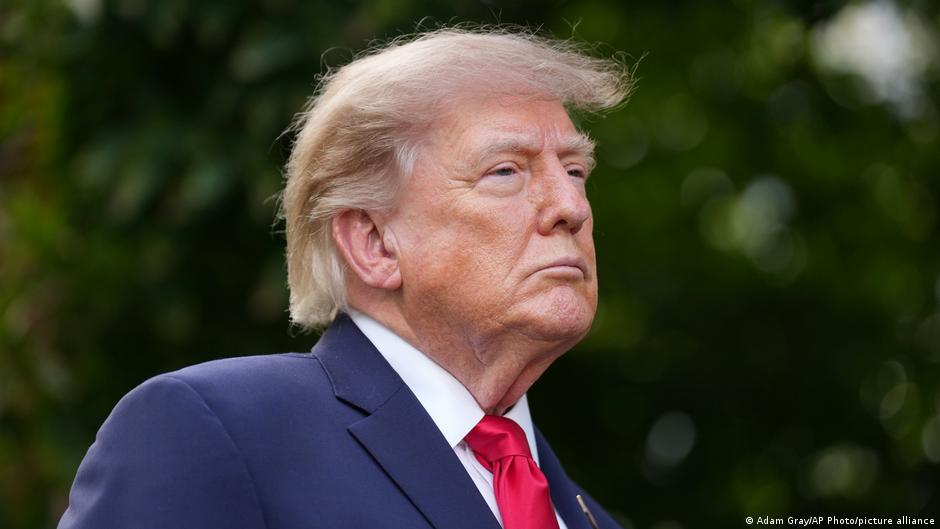
President Donald Trump expects negotiations with Iran to resume in the coming days, setting up another test of the White House’s crisis-management strategy after he rejected Tehran’s proposed seven-day plan to reopen the Strait of Hormuz.
Trump made the comments on Sunday, September 27, in a telephone interview with Axios, framing the next round of diplomacy as a contest over leverage rather than a narrow maritime dispute. For Washington, the talks appear to be less about reopening one of the world’s most important shipping corridors on Iran’s terms than about using Tehran’s economic pressure to pursue a broader strategic concession.
“I expect new talks with Iran,” Trump said, according to the Russian-language source article citing Axios. “They want to make a deal, but it is not the deal I want to make.”
The president said the United States might have accepted such an arrangement a year earlier, but argued that Iranian officials had overestimated their position. Asked whether he was considering renewed strikes against Iran, Trump replied that he “always” thinks about it.
For corporate leaders, energy traders, shipping executives and investors, the comments underscore the continued uncertainty around the Strait of Hormuz, a passage whose status can quickly feed into risk models across energy, logistics, insurance and capital markets. The diplomatic track is moving, but the gap between the two sides remains wide: Tehran wants talks centered on reopening the strait and lifting the U.S. maritime blockade, while Washington is pressing for a larger agreement that includes concessions on Iran’s nuclear program.
Qatari Mediation Returns to the Center
Two regional sources cited by Axios and speaking anonymously also confirmed Trump’s comments about the expected renewal of talks. They said Qatari mediators, who previously took part in meetings involving representatives of Washington and Tehran, were expected to meet as soon as September 28 with Iranian Foreign Minister Abbas Araghchi and U.S. presidential envoy Stephen Witkoff.
The role of Qatar is significant for both governments. It gives the White House a channel to keep pressure on Tehran without immediately closing the door to diplomacy, while offering Iran a route to discuss practical de-escalation without appearing to concede directly under American pressure. In boardroom terms, the mediation structure buys time, preserves optionality and allows each side to continue signaling toughness to domestic and regional audiences.
But Axios, according to the source article, emphasized that Washington and Tehran are approaching a potential agreement from sharply different angles. Iran wants any negotiations to focus on the full opening of the Strait of Hormuz and the removal of the U.S. naval blockade. The United States, by contrast, is seeking a wider deal that would include concessions related to Iran’s nuclear program.
That disagreement is the central business and strategic issue. A narrow maritime deal could restore shipping flows relatively quickly if accepted, but it would leave the broader U.S.-Iran confrontation unresolved. A broader agreement could address Washington’s long-term security concerns, but it is also harder to negotiate and more likely to prolong uncertainty for commercial operators exposed to the region.
Rejected Offer Highlights the Leverage Fight
Several days before Trump’s Sunday comments, Araghchi said Tehran had offered Washington a plan to restore vessel traffic through the Strait of Hormuz within one week if certain conditions were met, while also resuming negotiations on a long-term settlement to the conflict. Media reports cited in the source article described those conditions as including an end to fighting on all fronts, including Lebanon, the lifting of the blockade on Iranian ports, the unfreezing of Tehran’s assets and the removal of restrictions on Iranian oil exports.
On September 26, Trump said he had rejected Iran’s proposal. He argued that Tehran wanted a deal under which the strait would reopen immediately because Iran was suffering severe losses. The president said he also likes making deals, but described that particular arrangement as unacceptable.
The decision signals a negotiating posture built around economic and military pressure rather than quick de-escalation. For U.S. companies and allies watching the administration’s policy, the message is that Washington is not prepared to trade immediate maritime relief for a package of concessions that leaves Iran’s nuclear program outside the core bargain.
The Wall Street Journal had earlier reported Trump’s decision to reject Iran’s proposal, citing unnamed sources. According to that report, the president also told aides that he intended to resume bombing Iran after the congressional midterm elections in November. WSJ’s sources said Trump considered a new military operation “highly likely” because he was skeptical that Tehran was prepared to meet his demand for a complete abandonment of its nuclear program.
That reported timeline adds another layer of calculation for executives planning around energy supply, shipping exposure and geopolitical risk. The administration’s willingness to keep military options active, even as talks are expected to resume, means the diplomatic process may function as both negotiation and pressure campaign.
For the White House, the strategic question is whether Iran’s losses and the strain around Hormuz can be converted into concessions on the nuclear issue. For Tehran, the immediate priority appears to be removing maritime and economic pressure while preserving room to negotiate the wider conflict on more favorable terms.
The next meetings, if held as expected through Qatari mediation, are therefore unlikely to be judged only by whether the two sides sit down. The more important question is whether either government is willing to redefine the scope of a deal. Until then, the Strait of Hormuz remains not just a shipping flashpoint, but a bargaining asset at the center of a broader confrontation over sanctions, oil exports, frozen assets, regional fighting and Iran’s nuclear program.