EU Adds €710 Million in Aid as Crisis Spending Tests Brussels’ Priorities
The European Commission is directing new humanitarian funding toward Africa, the Middle East and Ukraine as conflict and disaster costs rise.
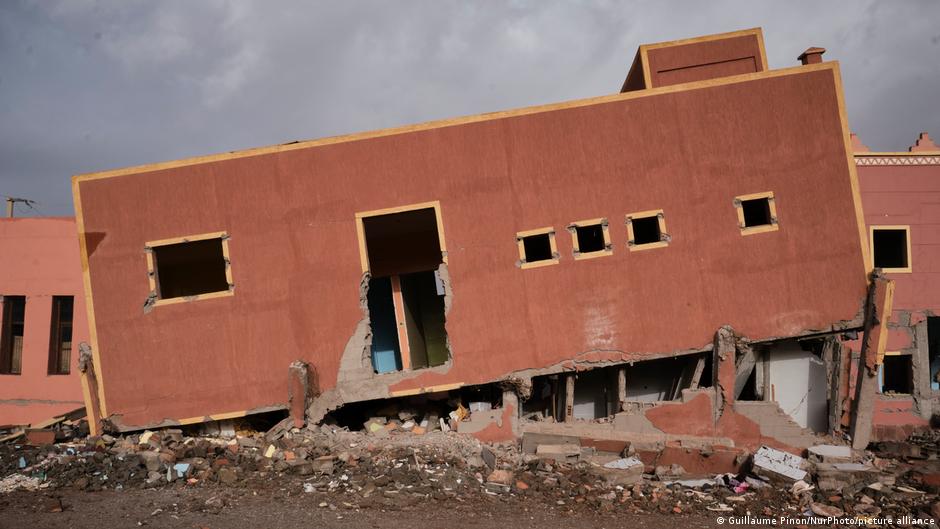
The European Union will provide an additional €710 million in humanitarian assistance for people affected by conflicts, natural disasters and other crises worldwide, European Commission President Ursula von der Leyen said Saturday, September 26. The announcement adds a significant new layer to Brussels’ crisis-response spending at a time when humanitarian demands are forcing difficult choices across the EU budget.
Von der Leyen disclosed the package in a video address prepared for participants of the Global Citizen Festival in New York, which was later canceled because of bad weather. Her message placed particular emphasis on Africa, as well as forcibly displaced people and the communities hosting them. For European policymakers, the allocation also reflects a broader strategic calculation: humanitarian aid is increasingly linked to migration management, regional stability and the EU’s role as a global donor.
Particular attention will be paid to Africa, as well as to displaced people and the communities that host them.
Of the new funding, about €380 million will go toward migration-related measures in sub-Saharan African countries. Those measures include support for the most vulnerable groups of migrants, as well as assistance for their return to their countries of origin and reintegration. The scale of that allocation underscores how closely Brussels now connects humanitarian programming with pressure points that have direct political consequences inside the EU, including migration flows and border policy.
Aid Package Carries Strategic Weight
Another €252 million will be directed to emergency assistance connected to active armed conflicts, forced displacement, epidemics and natural disasters. Within that amount, €97 million is earmarked for countries in sub-Saharan Africa, €103 million for the Palestinian territories and Lebanon, and €52 million for Ukraine, including winter preparedness.
Smaller sums are set aside for the Great Lakes region of Africa and for efforts to respond to an Ebola outbreak in the eastern Democratic Republic of Congo. While those amounts are more limited, their inclusion shows the Commission’s attempt to maintain coverage across multiple humanitarian flashpoints rather than concentrate resources only on the largest geopolitical crises.
For a business audience, the funding decision is best read not only as a humanitarian announcement but as an executive-level resource allocation by one of the world’s largest public-sector donors. The Commission is balancing emergency relief, migration policy, regional security and political commitments to Ukraine within a constrained fiscal environment. Those trade-offs resemble the portfolio choices facing large institutions: where to deploy capital, which risks to mitigate first, and how to sustain credibility with multiple stakeholders.
The emphasis on sub-Saharan Africa is especially notable. In the EU’s 2026 budget, Brussels has allocated about €1.9 billion for humanitarian assistance worldwide. The largest spending lines are €557 million in support for sub-Saharan African countries and €463 million for the Middle East and North Africa, according to European Commission data. The new €710 million package therefore reinforces regions already identified as top priorities in the EU’s annual humanitarian planning.
Ukraine Funding Continues to Expand
Ukraine remains a major recipient of EU humanitarian aid as the country continues to face the consequences of Russia’s full-scale war. The EU initially allocated €145 million in humanitarian assistance for Ukraine in 2026. In recent months, however, humanitarian aid for Ukraine and Moldova was increased to €248 million.
The additional €52 million for Ukraine in the newly announced package includes support for winter preparedness, a recurring priority as damaged infrastructure, housing needs and energy pressures intensify during colder months. EU humanitarian funds for Ukraine are used for food purchases, medical assistance, housing reconstruction, cash payments and winterization.
Since the start of the full-scale war launched by Russian authorities, the European Commission has allocated more than €1.4 billion to humanitarian aid programs for Ukraine. That cumulative figure points to the long-term budgetary implications of the war for Brussels. What began as an emergency response has become an ongoing financial commitment requiring repeated recalibration as battlefield conditions, displacement patterns and civilian needs evolve.
The latest announcement also highlights how humanitarian funding intersects with foreign policy signaling. Continued support for Ukraine demonstrates that the EU is not retreating from its commitments, even as other regions demand more attention. At the same time, the package’s Africa-focused components show that Brussels is trying to avoid a single-crisis posture and preserve influence across the Global South.
For EU institutions, the boardroom question is how to maintain political consensus around expanding or reallocating aid while member states face domestic budget pressures. Humanitarian spending does not operate in isolation; it competes with defense, energy, migration control and social spending. The Commission’s decision to present the package on a global stage also suggests an effort to reinforce Europe’s donor brand at a time when global aid systems are stretched.
The €710 million package is therefore both relief financing and strategic positioning. It directs money to people affected by war, displacement, epidemics and disasters, while also advancing Brussels’ priorities on migration, regional stability and Ukraine. For the Commission, the challenge will be execution: turning high-level commitments into timely support across several regions where operational risks remain acute.