G20 Invitation Puts Putin’s Ukraine Strategy Under Fresh Western Scrutiny
German and Canadian officials framed possible Russian attendance in Miami as a test of whether the Kremlin is prepared for substantive talks.
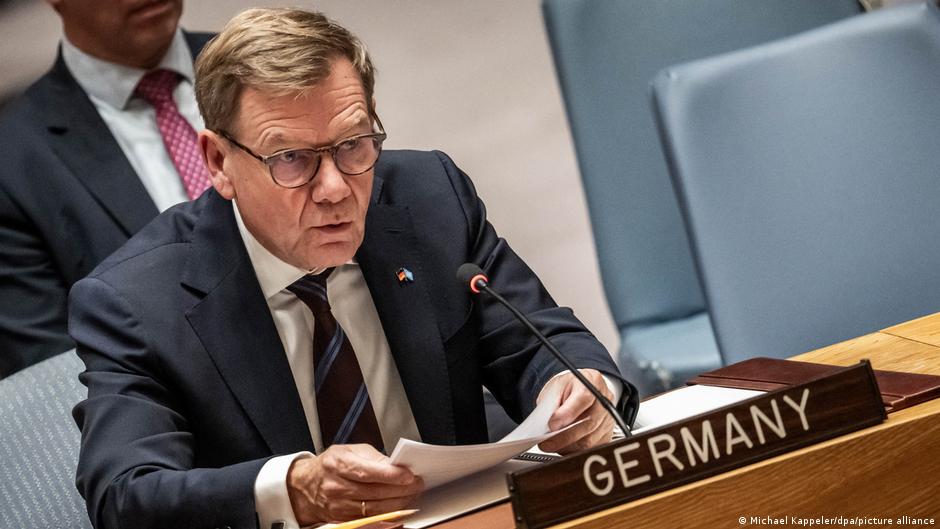
A possible appearance by Russian President Vladimir Putin at the December G20 summit in Miami is emerging as more than a diplomatic protocol question for Western governments. German Foreign Minister Johann Wadephul said the U.S. invitation to Putin would serve as a “litmus test” of the Kremlin’s readiness to engage in serious negotiations to end the war in Ukraine.
Speaking on Friday, September 25, during a meeting in Ottawa with Canadian Foreign Minister Anita Anand, Wadephul said the clearest signal of Russian intent would be a ceasefire in Ukraine. His comments placed the prospective summit attendance inside a broader strategic calculation for Ukraine’s allies: whether high-level diplomatic access can be used to pressure Moscow toward negotiations, or whether it risks granting Putin legitimacy while the war continues.
For Western capitals, the question carries boardroom-style stakes familiar to multinational companies assessing geopolitical exposure. The G20 is not only a leaders’ forum; it is a platform where sanctions policy, energy security, trade flows and sovereign risk can converge. A Russian presence in Miami would force governments to balance diplomatic engagement against the reputational and strategic cost of normalizing a sanctioned leader whose government remains under heavy Western pressure.
A diplomatic test with strategic consequences
Wadephul emphasized that Germany and other Western countries allied with Ukraine have repeatedly called on Russian authorities, and Putin personally, to come to the negotiating table. In his view, Russia’s willingness to enter substantive talks would be demonstrated by a cessation of hostilities in Ukraine.
“Russia must negotiate — the sooner, the better,” Wadephul said.
Asked whether the G20 summit should be boycotted if Putin continues military operations, the German foreign minister stressed that Russia’s participation remained “very hypothetical.” He urged observers to wait for developments over the coming weeks before drawing conclusions about whether Putin would attend or how other governments should respond.
Anand also rejected the idea that Putin’s possible participation should automatically trigger a boycott. The Canadian foreign minister argued that diplomacy requires governments to remain engaged, even when the talks are difficult. Her position underscored a divide that often runs through Western policy debates: isolating Moscow may preserve political clarity, while direct engagement may create opportunities for pressure and negotiation.
The issue entered the international agenda after U.S. Secretary of State Marco Rubio said the Kremlin chief had been invited to the G20 summit, which is scheduled to take place in December in Miami. Rubio said such a visit would give Putin an opportunity to hold talks with U.S. President Donald Trump and other heads of state and government. The Kremlin has not yet decided how to respond to the invitation.
U.S. political pressure complicates the invitation
The invitation has already triggered pushback in Washington. According to The Washington Post, a bipartisan group of 14 U.S. senators has urged Trump to withdraw it. Their appeal reflects a wider concern that allowing Putin to attend a G20 summit in the United States could dilute the political isolation that Washington and its partners have sought to maintain since Russia launched its full-scale war against Ukraine.
The senators from both Republican and Democratic parties said Putin bears sole responsibility for Russia’s full-scale war of aggression against Ukraine. They argued that giving him a chance to participate in a U.S.-hosted G20 summit raises serious concerns about legitimizing and normalizing authorities that, they said, continue daily strikes on civilian targets in Ukraine.
The lawmakers also pointed out that Putin and other members of the Russian delegation are under U.S. sanctions for actions Washington considers a threat to national security. In their view, if Putin is not isolated from the international community, he will have less incentive to end the war in Ukraine.
That argument frames the summit as a test not only for Moscow, but also for the Trump administration’s management of alliance politics and sanctions credibility. If the United States hosts Putin while fighting continues, critics may portray the move as a strategic concession. If Washington withdraws the invitation, it could reinforce isolation but reduce the chance of direct talks at a venue where many world leaders will already be present.
For businesses watching the policy environment, the debate matters because diplomatic signals around Ukraine have direct implications for sanctions compliance, energy markets, insurance risk, logistics planning and investment exposure across Europe and beyond. A ceasefire signal from Moscow could alter expectations around negotiations, while continued fighting paired with summit attendance would intensify scrutiny of how Western governments define pressure, engagement and red lines.
Wadephul’s remarks suggest Germany is not treating the invitation as a simple courtesy. Instead, Berlin sees it as a practical measure of whether the Kremlin is prepared to move from battlefield strategy toward meaningful diplomacy. For now, that measure remains unresolved: the invitation has been extended, the Kremlin has not answered, and Western governments are waiting to see whether Putin’s next move points toward negotiations or continued escalation.