Western Embassies Weigh Kyiv Exit Plans as Russia Targets Ukraine’s Grid
Diplomatic contingency planning underscores rising operational risk for governments and companies with exposure to Ukraine.

Western governments are preparing contingency plans to relocate their embassies from Kyiv to Lviv or Poland as Russia intensifies attacks on the Ukrainian capital, according to several senior diplomats cited by The Guardian. The discussions point to a worsening security environment in Ukraine and raise broader questions for multinational companies, contractors, insurers and logistics operators that have treated Kyiv as the country’s diplomatic and commercial center despite the war.
The planning, reported Friday, October 2, comes as Russian strikes on Kyiv have become more frequent in recent days. Two senior diplomats told The Guardian that Western countries are developing plans to move missions out of Ukraine’s capital and toward Lviv, the western Ukrainian city near the Polish border, or across the border into Poland itself.
“Russia plans to freeze Kyiv, throw it back to the Stone Age. The situation is obviously deteriorating quickly,” one diplomat was quoted as saying.
Publicly, Western diplomats continue to say they intend to remain in Kyiv. Their stated concern is that a departure would hand Moscow a propaganda victory and create the impression that Ukraine had been abandoned. Privately, however, the existence of relocation planning signals that Western capitals are weighing the symbolic value of staying against the operational responsibility to protect personnel, maintain communications and preserve decision-making continuity.
For U.S. and European business leaders, the embassy planning matters beyond diplomacy. Embassies serve as important risk signals for companies operating in or around Ukraine, including defense suppliers, infrastructure firms, energy consultants, humanitarian contractors, data-service providers and transport groups. A move from Kyiv would not necessarily mark a strategic retreat from Ukraine, but it would reshape the practical map of where official meetings, consular support, security briefings and high-level coordination can occur.
Boardroom Signal From Diplomatic Risk Planning
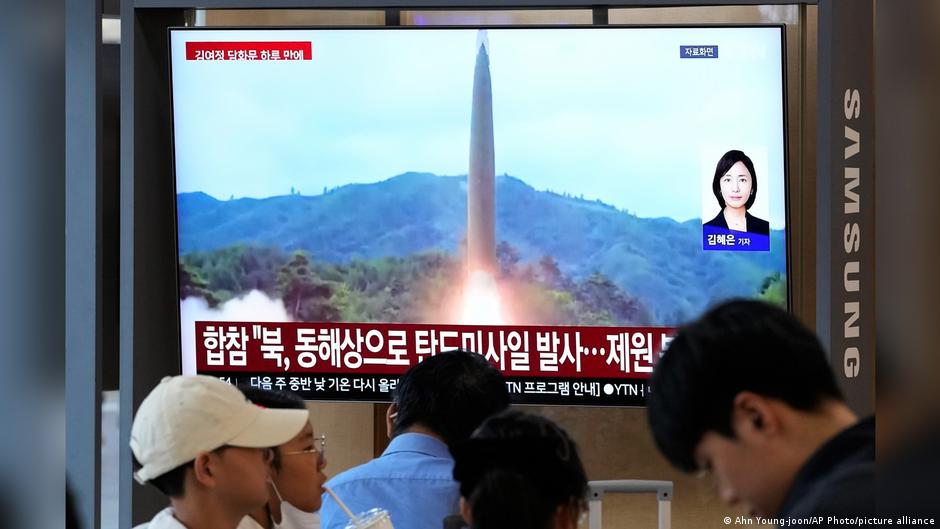
Since September, Russian forces have been attacking Kyiv almost around the clock with drones and missiles, striking schools, hospitals and data centers. The inclusion of data centers is especially significant for companies and governments that depend on digital infrastructure to sustain wartime operations, manage supply chains and protect records. For corporate boards, the pattern of attacks adds urgency to questions about redundancy, staff safety, insurance coverage, cyber resilience and emergency relocation.
Ukrainian President Volodymyr Zelensky told The Financial Times that the Kremlin had intensified airstrikes to intimidate the civilian population, force people to leave cities and weaken Ukraine’s ability to continue the war. According to Zelensky, the main targets of Russian forces are Kyiv, Kharkiv and Odesa.
Lviv, often viewed as a safer western alternative and a key logistics hub near the Polish border, is also in Russian plans, according to Ukrainian and European security officials familiar with intelligence. That detail complicates the idea of Lviv as a simple fallback location. For executives and government planners alike, it suggests that relocation within Ukraine may reduce certain risks while leaving personnel and infrastructure exposed to continued Russian strikes.
The choice between Lviv and Poland carries different strategic implications. Moving to Lviv would allow Western missions to remain inside Ukraine and preserve a visible commitment to the country’s sovereignty. Moving to Poland would provide greater distance from direct attacks but could carry heavier symbolic costs. The same calculation applies to private-sector organizations deciding whether to keep Ukraine-based leadership teams in country, shift them westward, or move key functions across the European Union border.
For boards overseeing Ukraine exposure, the immediate issue is not only whether conditions have worsened, but whether existing contingency plans are still adequate. A diplomatic relocation would likely trigger reviews of travel policies, employee evacuation thresholds, supplier continuity, executive visit protocols and contractual obligations in high-risk zones. Companies tied to reconstruction, defense support or energy systems may face particular scrutiny from investors and regulators over how they balance opportunity, obligation and duty of care.
Energy Infrastructure Becomes a Central Pressure Point
The embassy planning is unfolding alongside reports that Russia intends to target Ukraine’s energy system during the coming winter. The New York Times reported on October 2 that Kyiv had intercepted Russian plans to cut major Ukrainian cities off from electricity, heating and water supplies. According to that report, the intercepted document describes three stages of Russian attacks.
In the first stage, Russia would seek to disable substations near Ukraine’s western borders through which the country imports electricity from Europe. In the second stage, the plan calls for damaging hydroelectric power plants. After that, Russia would aim to shut down all three of Ukraine’s operating nuclear power plants, which form the backbone of the country’s energy system.
That reported sequence illustrates a campaign aimed not only at the battlefield but at the systems that keep the Ukrainian state and economy functioning. Power, heat, water and data connectivity are all essential to government operations, industrial output, banking, transport and civilian life. For American and European companies monitoring Ukraine, the energy threat raises the prospect of extended outages, disrupted communications and heightened costs for backup power, fuel, physical security and business continuity.
The possibility of embassy relocations also affects diplomatic coordination with the private sector. Western missions in Kyiv have been key nodes for political analysis, security information and engagement with Ukrainian authorities. If those functions move west or out of country, business leaders may have to adjust how they obtain timely information and how they engage with officials during crises.
The central tension remains visible: Western governments want to avoid signaling weakness or abandonment, while also preparing for a deteriorating security situation in the capital. For corporate decision-makers, that same tension translates into a familiar boardroom question: how to remain committed to Ukraine while acknowledging that Russia’s campaign is increasingly directed at the urban and infrastructure systems that make sustained operations possible.