Italy Protests Put Cost Pressures and Defense Spending in Focus
A nationwide strike and demonstrations across more than 60 cities highlight growing risks for employers, retailers and government contractors.
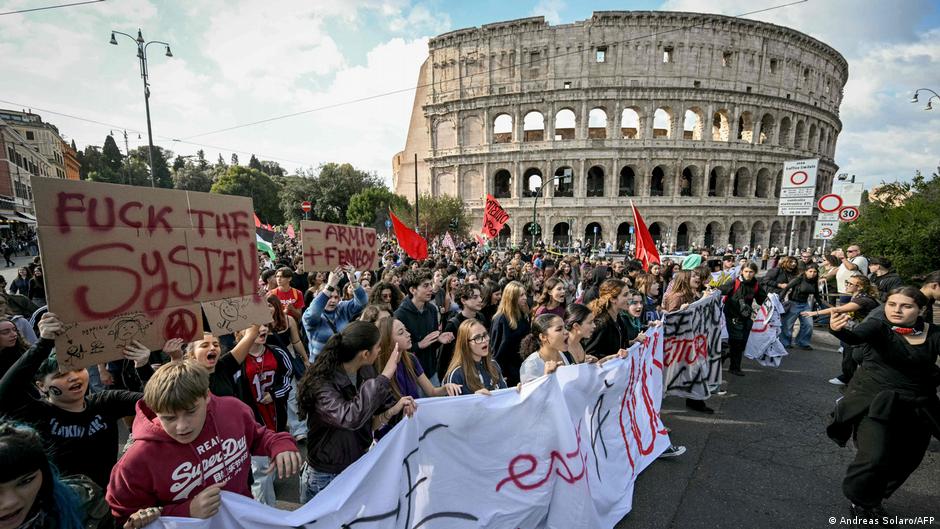
Hundreds of thousands of people took to the streets across Italy on October 30 to protest the rising cost of living and increased military spending, combining mass demonstrations with a 24-hour general strike that created a broad test of the country’s economic and political stability.
Protests were held in more than 60 Italian cities, according to the national news agency ANSA. The Unione Sindacale di Base, or USB, which organized the demonstrations and called the strike, estimated participation at between 1 million and 1.5 million people. Italy’s Interior Ministry reported a substantially lower figure of 255,000.
The gap between those estimates is politically significant, but both figures point to widespread dissatisfaction with household expenses. Demonstrators focused in particular on higher apartment rents and fuel prices, pressures that directly affect workers’ disposable income and can feed demands for higher wages.
“We need more housing, not more bombs,” read one of the protest slogans.
For corporate leaders, the unrest presents a convergence of operational and strategic concerns. A general strike can disrupt transportation, staffing and supply chains, while sustained inflation in essential costs can weaken consumer spending. Executives must also contend with the possibility that labor organizations will use public anger over housing and energy costs to increase pressure in wage negotiations.
Boards Face a Broader Cost and Labor Debate
The protests place Italian companies between two competing fiscal priorities: demands for relief from the cost-of-living squeeze and government plans that include higher military expenditure. Although the demonstrations were directed principally at public policy, the effects can reach corporate boardrooms through labor relations, consumer demand and investment planning.
Businesses dependent on discretionary purchases are particularly exposed when rent, fuel and other basic expenses absorb more household income. Employers, meanwhile, may face calls to adjust pay even as their own energy, logistics and financing costs remain under pressure. Boards assessing Italy’s operating environment will therefore need to consider not only headline inflation but also the distribution of those costs and the likelihood of further coordinated labor action.
Defense contractors confront a different challenge. Increased military spending may create commercial opportunities, but the protests show that such expenditure carries political and reputational sensitivity when households are struggling with everyday costs. Corporate strategy in the sector may increasingly need to account for public scrutiny over how national budgets are divided between defense, housing, education and social priorities.
Most Demonstrations Peaceful, With Clashes in Two Cities
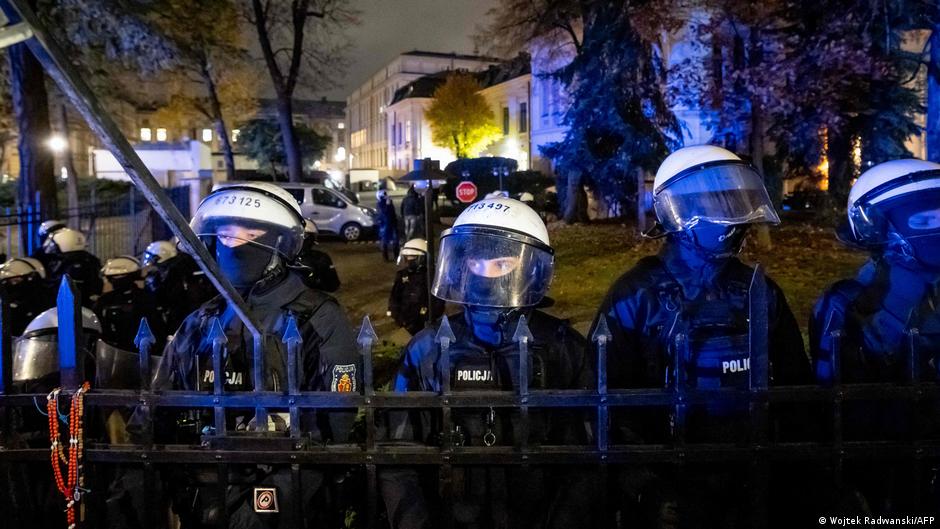
ANSA reported that the protests were largely peaceful in every city except Rome and Turin. By evening, some participants in those cities had begun setting fire to garbage containers and throwing objects at police officers. Law enforcement responded with tear gas and water cannons.
Interior Minister Matteo Piantedosi defended the authorities’ handling of the unrest in a post on the social media platform X. He said the measures taken were balanced and effective, allowing police to protect the right to peaceful protest despite attempts by some individuals to provoke disorder and violence.
The distinction between peaceful mass participation and isolated clashes matters for business risk assessments. Limited violence can affect urban operations, retail traffic and employee travel, but the broader scale and geographic reach of the mobilization may be more consequential than the incidents themselves. The protests demonstrated that cost pressures can rapidly become a national labor and political issue rather than remaining a narrow dispute over individual prices.
European Protest Wave Expands
Italy’s October 30 demonstrations were part of a wider wave of protests that has spread across European countries in recent weeks. France has also seen actions in multiple cities, some of which escalated into property destruction and clashes with police. Demonstrations have taken place in Belgium as well.
Similar protests are scheduled for October 31 in more than 30 German cities. The movement Gen-Z regelt, whose name translates as “Generation Z Decides,” has called for the demonstrations. Tens of thousands of predominantly young participants are expected to express dissatisfaction with the rising cost of living and the potential return of military conscription, while also demanding higher education spending.
Experts expect the German demonstrations to proceed largely without disorder. Even so, the expansion of coordinated protests across several major European economies suggests that executives and boards cannot treat the Italian strike as an isolated national event. The shared concerns—living costs, public spending priorities, military policy and education—could influence labor negotiations, consumer confidence and political decision-making across the region.
For companies operating in multiple European markets, the immediate task is to monitor disruption. The longer-term challenge is strategic: determining how persistent household financial strain, shifting public-budget priorities and increasingly organized youth and labor movements could affect demand, workforce expectations and the political license for major investments.