G20 Meeting Offers Executives No Sign of Russia-Ukraine Diplomatic Shift
EU foreign policy chief Kaja Kallas said Moscow showed no readiness for peace talks, reinforcing a prolonged geopolitical risk outlook.
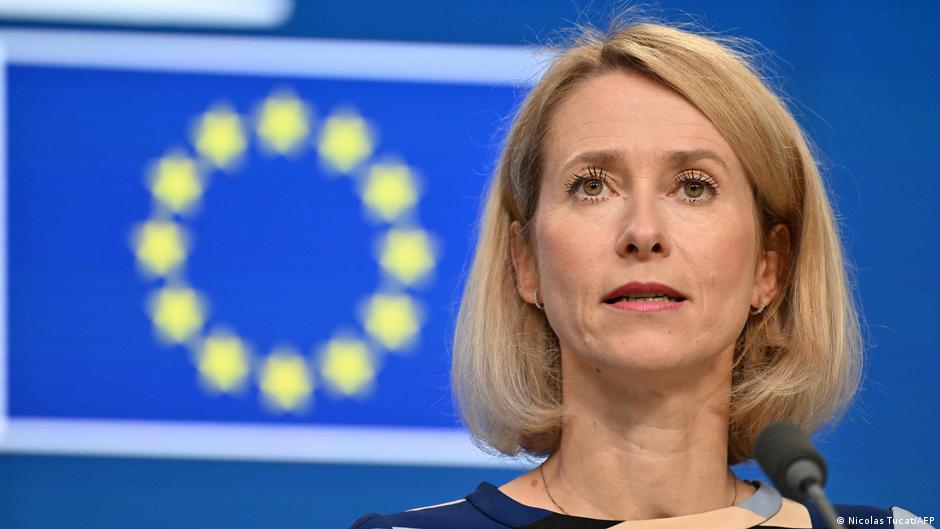
European Union foreign policy chief Kaja Kallas said Russian Foreign Minister Sergey Lavrov gave no indication at a Group of 20 foreign ministers’ meeting in Atlanta that Moscow was prepared to pursue peace negotiations over Ukraine. Her assessment leaves business leaders and corporate boards with little evidence that the geopolitical conditions surrounding the war are moving toward normalization.
Speaking on Friday, Oct. 30, after the gathering in the United States, Kallas said Lavrov had not demonstrated that Russia was ready to make concessions or engage substantively in efforts to end the war. Asked by an AFP journalist whether the Russian minister had signaled any willingness to compromise, she answered in the negative.
“Even if they claimed otherwise in words, their actions say something else,” Kallas said.
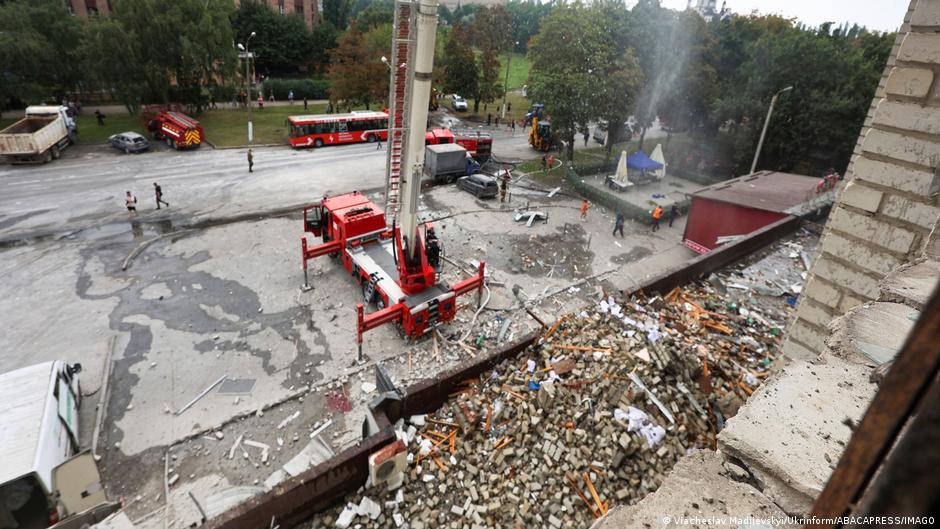
Kallas, the EU’s high representative for foreign affairs and security policy, said Russia must prove through its conduct that it is prepared to negotiate. She pointed to the human toll of the conflict, saying July, August and September had been the deadliest months for Ukrainian civilians.
Her comments suggest that Western policymakers continue to judge Moscow primarily by developments on the ground rather than by diplomatic statements made at international meetings. For companies managing exposure to Russia, Ukraine or the wider European region, that distinction is consequential: public rhetoric alone is unlikely to produce the political confidence needed for governments or corporate decision-makers to reconsider existing risk controls.
Pressure Strategy Remains Central
Kallas also sharply criticized Lavrov’s presentation at the meeting, accusing him of offering false and distorted accounts that European officials were subsequently able to rebut. She called for greater pressure on Moscow, signaling that the EU’s senior foreign policy leadership does not view the Atlanta discussions as grounds for easing its approach.
“Of course, he voiced many lies, many distorted facts, which we were subsequently able to refute,” Kallas said.
For executive teams, the immediate implication is less a change in policy than the absence of a diplomatic catalyst for change. Companies making long-range decisions about market access, counterparties, supply chains, compliance and capital allocation generally require more than the reopening of high-level contacts. Kallas’s account indicates that European officials saw no negotiating breakthrough capable of altering the strategic environment.
The meeting nevertheless demonstrated that direct contact with Russian officials continues within multilateral forums. German Foreign Minister Johann Wadephul said engagement with the Russian side remained necessary to discuss disagreements. At the same time, he drew a firm line between maintaining channels of communication and suggesting that relations had returned to their previous footing.
“There are no normal relations with Russia,” Wadephul said.
That formulation captures the balance European governments sought to project in Atlanta: officials may speak with Moscow, but the existence of those conversations should not be interpreted as political rehabilitation. European participants reinforced that message by declining to take a group photograph with Lavrov because of the continuing war in Ukraine.
Symbolism Carries Boardroom Significance
The refusal to join a customary photograph was symbolic, but symbolism at a G20 meeting can carry practical importance for multinational companies. Governments use diplomatic protocol to communicate whether relations are improving, deteriorating or remaining frozen. In this case, European ministers appeared determined to prevent routine engagement from being presented as a return to business as usual.
That stance matters for boards evaluating reputational exposure alongside legal and operational risks. A company can technically maintain certain relationships while still facing scrutiny over whether those activities are consistent with the broader political climate. The European ministers’ approach underscores that formal dialogue does not necessarily amount to normalization and that visible association with Russian state representatives remains sensitive.
Kallas’s demand that Moscow demonstrate readiness for negotiations through action also establishes a demanding benchmark for any future reassessment. From a corporate strategy perspective, the relevant signal would not simply be a statement of intent, but credible evidence of changed behavior and a corresponding shift in government policy.
The Atlanta meeting therefore produced continuity rather than a reset. Russian and European officials remained in the same multilateral forum, and European leaders acknowledged the need for contact. Yet Kallas reported no sign of compromise from Lavrov, accused him of presenting falsehoods and urged additional pressure. Wadephul, meanwhile, emphasized that necessary communication must not create the impression that ordinary relations have resumed.
For senior executives and directors, the message is that geopolitical planning should continue to account for a prolonged conflict and an adversarial relationship between Russia and Europe. The meeting offered a venue for discussion, but according to the EU’s top diplomat, it did not provide evidence that the underlying strategic conditions had changed.