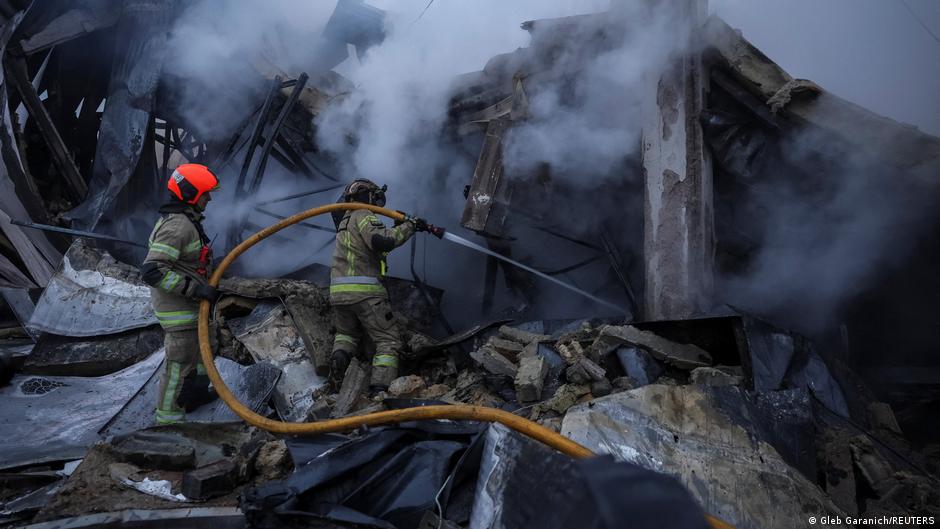
US Military Launches New Strikes on Iranian Targets Amid Rising Geopolitical Tensions
The US initiates targeted military operations against Iran to curb its influence on shipping routes in the Strait of Hormuz following recent tanker attacks.
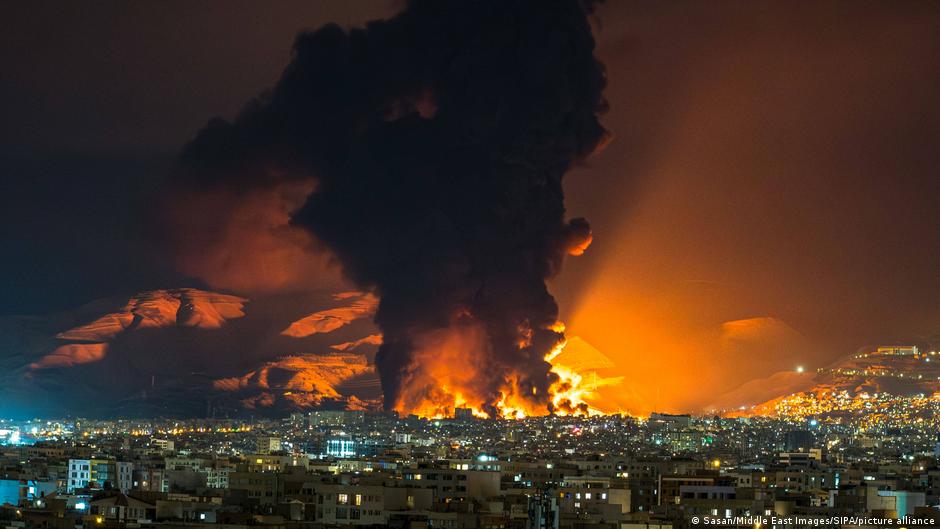
The United States Armed Forces have commenced a fresh wave of offensive strikes against Iranian targets, reflecting escalating tensions in the strategic Strait of Hormuz. According to the US Central Command (CENTCOM), the objective is to limit Iran's capability to interfere with maritime navigation in this critical chokepoint. The directive for these operations was reportedly issued directly by President Donald Trump on the evening of July 8.
Strategic Implications of US Military Actions
Prior to this latest assault, CENTCOM announced attacks on over 80 Iranian assets, which included air defense systems, communication and control networks, coastal radar installations, anti-ship missile defenses, and more than 60 vessels associated with the Iranian Revolutionary Guard Corps (IRGC). These strikes were in retaliation for Iranian attacks on commercial vessels transiting the Strait of Hormuz, a vital artery for global energy supplies.
Simultaneously, the US government reinstated sanctions on Iranian oil exports, which had been briefly lifted just over two weeks prior. This coordinated approach combines military pressure with economic tools to constrain Iran’s regional aggression and economic resilience.
"The demonstrated aggression by Iran was unjustified, dangerous, and constituted a clear violation of the ceasefire regime," CENTCOM stated, underscoring the rationale behind the military escalation.
Iranian officials condemned the US strikes as violations of international agreements pertaining to free navigation in the Strait of Hormuz. Ismail Baghaei, a spokesperson for Iran’s Foreign Ministry, asserted that Washington’s unilateral actions breach the memorandum and threatened to pursue protection of Iran’s sovereignty and national interests.
Reports from Iranian media indicated Tehran’s leadership has ordered retaliatory measures, with missile strikes reported against US military sites in Kuwait and Bahrain. The IRGC took responsibility for these attacks, framing them as responses to American airstrikes on coastal bases and civilian infrastructure in southern Iranian provinces.
President Trump, addressing questions at the NATO summit on July 8, declared the end of any informal ceasefire or memorandum with Iran, dismissing any further direct engagement with Iranian officials as futile, though he left the door open for US negotiators to continue dialogue if they choose.
The ongoing conflict is rooted in a complex geopolitical landscape. The US-Iran memorandum, signed approximately two months ago, called for negotiations over Iran’s nuclear program, the presence of US troops in neighboring countries, and the contentious issue of fees Iran might impose on ships traversing the Strait. However, no measurable progress has been reported to date.
Moreover, Iran has yet to permit comprehensive clearance of naval mines in the Strait, effectively restricting maritime traffic to limited channels. Despite President Trump’s claims of an open passage, shipping volumes through the Strait remain well below pre-conflict levels, highlighting the persistent risks to global trade and energy security.
These developments carry significant implications for corporate risk management, international supply chains, and boardroom strategies within industries heavily reliant on stable energy markets and uninterrupted maritime logistics. Executive leadership must closely monitor geopolitical shifts and assess potential impacts on operations, particularly in sectors such as energy, shipping, insurance, and international trade.