German Government Considers Steinmeier as EU Representative for Russia-Ukraine Peace Talks
Frank-Walter Steinmeier may join Gerhard Schröder in a mediating duo to represent the EU in negotiations with Russia, amid reluctance to rely solely on Schröder.
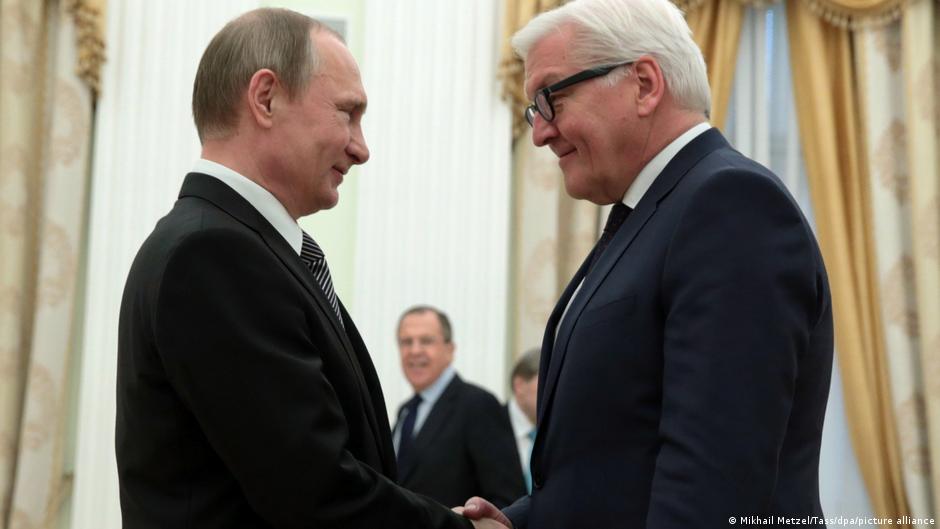
The German government is exploring the possibility of involving President Frank-Walter Steinmeier as the European Union's representative in peace negotiations with Russia aimed at ending the war in Ukraine. This move reflects a strategic shift in Berlin's approach to mediation efforts, emphasizing a dual representation alongside former Chancellor Gerhard Schröder.
Dual Mediation Proposal and Political Implications
According to sources close to the German government, the ruling coalition views the combination of Steinmeier and Schröder as an "interesting option" for peace talks with Moscow. While Russian President Vladimir Putin has publicly favored Schröder—known for his long-standing personal ties with Putin—as the EU's negotiator, German officials express skepticism about Schröder’s capacity to handle such a complex diplomatic mission independently.
"The German government does not consider Putin's proposal to appoint Schröder alone as a credible offer, given Russia's lack of demonstrated readiness for compromise," a government insider explained.
On May 9, during a press conference, Putin described Schröder as the "preferred" candidate from the EU side for peace negotiations. He emphasized Russia's openness to dialogue while stressing that Europe should select a negotiator who has not made disparaging remarks against Russia.
However, German authorities have previously rejected Putin's suggestion for Schröder’s participation in talks, citing concerns over the former chancellor's impartiality. This skepticism is compounded by the ongoing absence of official negotiations between Russia and Ukraine, confirmed by Russian Foreign Minister Sergey Lavrov in mid-April.
Strategic Considerations Behind Germany's Position
The German government's hesitance highlights broader strategic and diplomatic considerations. As one government source noted, Putin’s recent statements align with a series of "simulated offers" intended to fracture European unity rather than advance genuine peace efforts.
Moreover, the willingness of Russia to extend a three-day ceasefire remains a litmus test for its sincerity regarding conflict resolution. Berlin sees this as a critical gesture to validate Moscow's commitment to productive negotiations.
Steinmeier, who has a reputation for diplomatic engagement and experience in foreign affairs, could lend credibility and balance to the mediation process. His involvement may also mitigate concerns within the EU about relying solely on Schröder, whose close ties to Putin have raised questions about impartiality and effectiveness.
In the context of ongoing geopolitical tensions and stalled diplomacy, Germany’s consideration of a dual mediator approach reflects a cautious but proactive attempt to rejuvenate peace talks and influence the broader EU strategy towards resolving the Ukraine conflict.