Former Polish Justice Minister Flees Hungary for US Amid Extradition Efforts
Zbigniew Ziobro, wanted in Poland on corruption charges, relocates to the US as Hungary shifts stance under new leadership.
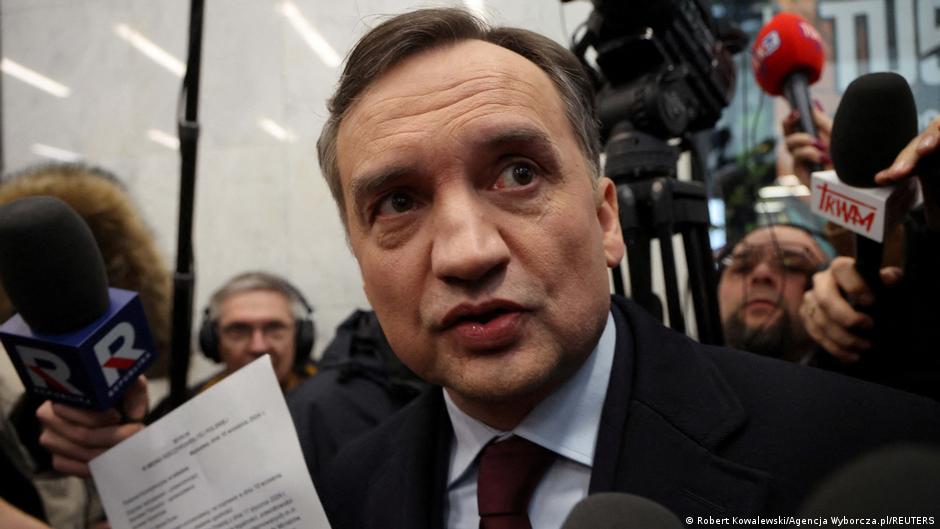
The recent political shift in Hungary has triggered significant ramifications for Polish-Hungarian relations and the handling of high-profile fugitives. Zbigniew Ziobro, Poland's former Minister of Justice, who was sheltering in Hungary amid multiple criminal allegations, has now fled to the United States. This move follows Hungary’s new prime minister, Péter Magyar, pledging to cooperate with Poland by extraditing officials who had been harbored under the previous government led by Viktor Orbán.
Strategic Implications for Central European Political Alliances
Ziobro’s departure to the US represents a strategic pivot with potential boardroom and diplomatic consequences. According to reports, Ziobro arrived in the United States on May 9 and was seen at Newark Liberty Airport. Polish authorities confirmed an ongoing investigation into his exit from the Schengen zone and noted that his Polish passport had been confiscated. However, speculation suggests that Ziobro and his deputy, Marcin Romanowski—also wanted by Polish authorities—may have obtained refugee travel documents from Hungary, facilitating their international movement.
Polish online media outlets report that Ziobro entered the US on a work visa linked to Republika, a conservative Polish TV channel with close ties to him. Republika indirectly confirmed this, announcing Ziobro’s role as a political commentator on the channel. Notably, Gazeta Wyborcza claims that US President Donald Trump personally approved the visas for Ziobro and his wife, highlighting the strong connections between Poland’s ruling Law and Justice party (PiS) and the pro-Trump MAGA movement. This intertwining of political affiliations and media strategy reflects a transatlantic network influencing executive decisions and political asylum cases.
"If Polish authorities wish to initiate extradition proceedings, so be it," Ziobro stated, emphasizing the complex legal challenges such cases face in US courts.
Valdemar Żurek, Poland's current Minister of Justice, criticized the circumstances under which Ziobro managed to cross borders without valid documents and announced that Warsaw will seek clarifications from both the US and Hungary. He reaffirmed Poland’s commitment to holding Ziobro accountable under the nation’s judicial system.
From a business and governance perspective, the case highlights the risks organizations and governments face when political fugitives leverage international alliances and legal loopholes. The previous Hungarian administration under Orbán viewed these officials as victims of politically motivated prosecutions, offering them sanctuary that complicated bilateral relations and legal reciprocity.
Since 2024, Hungary granted asylum first to Romanowski and later to Ziobro himself. However, following Orbán’s electoral defeat and Magyar’s ascent to the premiership, Budapest has signaled a willingness to adjust its policies on harboring foreign fugitives. Magyar’s party 'Tisa' campaigned on preventing Hungary from becoming a refuge for foreign criminals, a stance he reiterated after winning the parliamentary elections in April 2026.
Despite these promises, Magyar acknowledged the possibility that some of the individuals who had sought refuge under Orbán may have already fled Hungary. Ziobro’s relocation to the US appears to confirm such concerns, adding complexity to Hungary’s diplomatic commitments and Poland's legal efforts.
The allegations against Ziobro include corruption, embezzlement, and abuse of power. Investigations suggest he misappropriated funds earmarked for victims of crimes and purchased Israeli spyware Pegasus, which was allegedly used to surveil political opponents during PiS’s governance from 2015 to 2023. These accusations underline the broader implications for governance ethics, transparency, and political accountability in Central Europe.
As Hungary repositions itself politically, the handling of cases like Ziobro’s may influence future executive decisions, international cooperation on legal matters, and the political landscape across the region.