Israel Detains Several Vessels from Global Sumud Flotilla Attempting to Break Gaza Naval Blockade
Israeli naval forces intercept humanitarian aid ships en route to Gaza, reinforcing maritime blockade amid ongoing regional tensions.
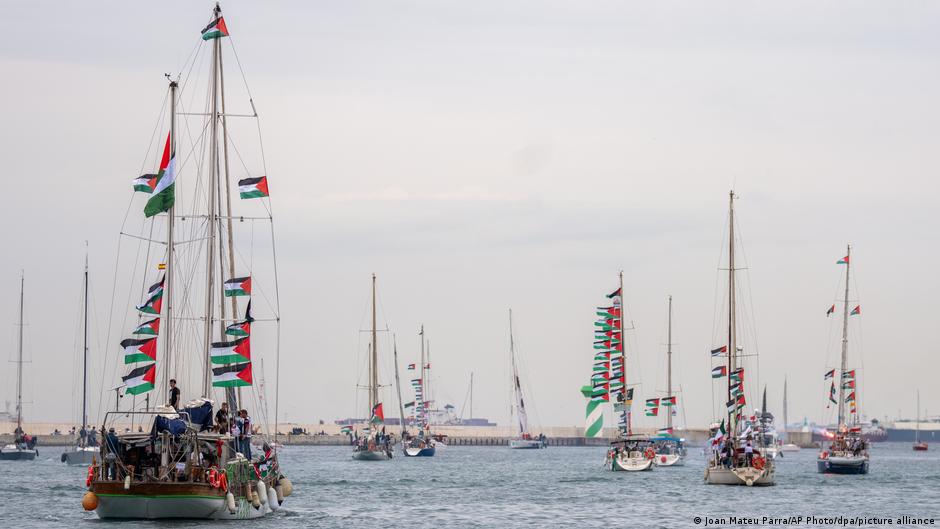
On April 30, Israeli naval forces detained multiple vessels from the Global Sumud Flotilla, a coalition of aid ships attempting to deliver humanitarian assistance to the Gaza Strip. Several of these ships are being towed to the Israeli port of Ashdod, as confirmed by representatives of the flotilla on social media.
The flotilla had embarked from a Sicilian port on April 26, marking what the organizers described as the largest humanitarian fleet effort to reach Gaza to date. Communication with some of the flotilla's boats was lost, with distress signals reportedly sent during the interception.
Strategic Context of the Maritime Blockade
Israel has maintained a naval blockade of Gaza since 2007, a restriction supported by Egypt, aimed at preventing weapons smuggling to Hamas and other militant groups in the region. The Global Sumud Flotilla's mission sought not only to deliver aid but also to challenge this blockade, pushing for the establishment of a permanent humanitarian corridor to ensure steady access for assistance.
"Israeli armed forces are currently enforcing a maritime blockade of Gaza," the Global Sumud Flotilla stated, highlighting the operational environment in which the flotilla's vessels were intercepted.
The flotilla's activities underscore the complex interplay between humanitarian efforts and geopolitical security concerns in the Eastern Mediterranean. The group's attempt to breach the blockade illustrates ongoing tensions surrounding Gaza and the difficulties in delivering aid amid security measures.
Notably, in August 2025, prominent Swedish environmental activist Greta Thunberg confirmed her participation in a previous Global Sumud Flotilla initiative. The campaign aimed to open a humanitarian corridor to facilitate more consistent aid delivery to Gaza, emphasizing the international dimension of this issue.
Diplomatic efforts have intermittently sought to stabilize the region. In October 2025, Israel and Hamas agreed to a ceasefire brokered through a peace plan developed by the U.S. administration under President Donald Trump, with the United States, Turkey, Qatar, and Egypt acting as guarantors. This ceasefire included prisoner exchanges and represented a temporary easing of hostilities.
Further developments occurred in January when the White House announced the initiation of the second phase of the Trump administration's peace plan. This phase envisioned a National Committee assuming administrative control over Gaza, with a future transfer of authority to the Palestinian National Authority, aiming to end ongoing conflict and improve governance in the region.
The detention of the Global Sumud Flotilla vessels highlights the continuing challenges faced by humanitarian organizations operating under the constraints of geopolitical conflict. For businesses and executives monitoring Middle Eastern markets, these developments signal persistent instability risks and the complexities of navigating humanitarian imperatives alongside security policies.